
“Statistics regarding ostomy-related metrics remain elusive in the United States because of underreporting and coding limitations. The estimated number of ostomates in the United States is 750,000 to 1 million, with approximately 150,000 new ostomies created each year. Stoma creation has a relatively high rate of associated morbidity, ranging from 20% to 80%; peristomal skin complications and parastomal hernia (PSH) are the most common associated morbidities. A population-based study using the Michigan Surgical Quality Collaborative, which included 4250 patients, identified a 37% unadjusted surgical complication rate for elective cases involving an ostomy and 55% unadjusted surgical complication rate for emergency cases involving an ostomy. In this study, risk-adjusted stoma-related morbidity rates varied significantly among hospitals, indicating a potential to improve outcomes in outlying institutions.”
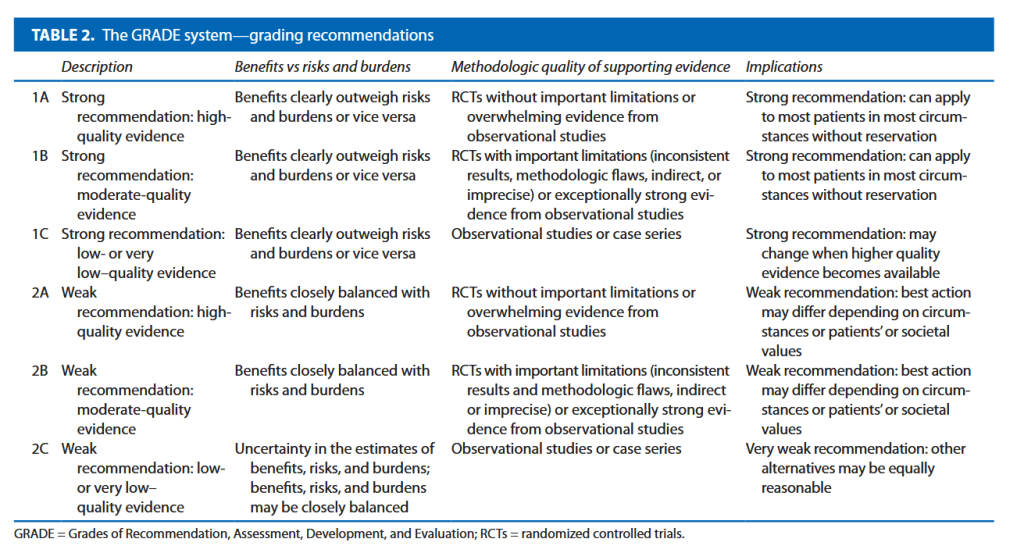
“This CPG focuses on the surgical care of patients requiring an ostomy and addresses issues like choosing an ostomy type, technical aspects of ostomy creation and closure,
prevention and management of ostomy-related complications, and perioperative care. The guideline does not address whether an ostomy should be created in a given clinical scenario because this evidence base was reviewed in other American Society of Colon and Rectal Surgeons (ASCRS) CPG related to specific diseases (eg, diverticulitis, rectal cancer, and ulcerative colitis).”
Davis, Bradley R et al. “The American Society of Colon and Rectal Surgeons Clinical Practice Guidelines for Ostomy Surgery.” Diseases of the colon and rectum vol. 65,10 (2022): 1173-1190. Free Full Text
 Surgical Focus