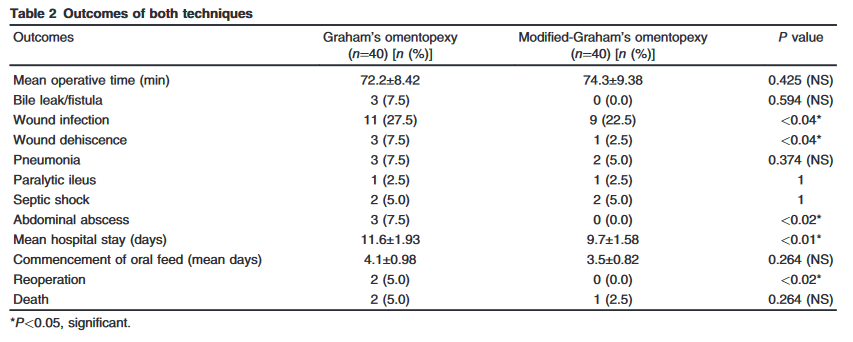
“Peptic ulcer perforation is a frequent cause of hospitalization, which affects 2–10% of patients with peptic ulcer. Omentopexy is commonly used in emergency management of duodenal ulcer perforation. Omentopexy was first described by Cellen Jones in 1929 and was later modified by Graham in 1937. The surgical approaches for omental patching rely on two principles, that is, direct and indirect omentopexy.”
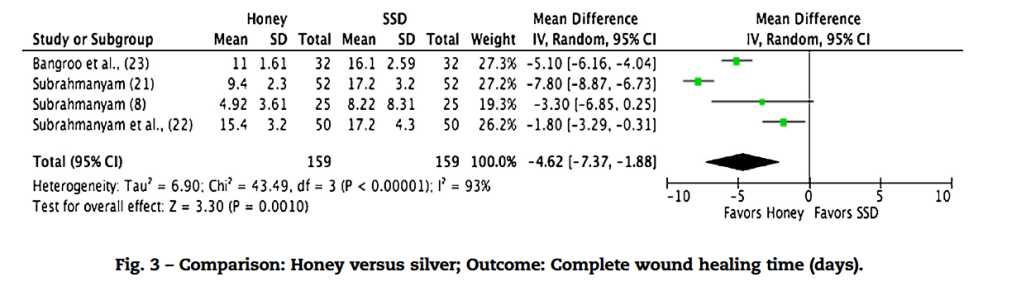
“Topical dressings containing honey as well as silver sulfadiazine (SSD) have re-emerged as a treatment option for burn wound management. Honey is postulated to facilitate wound healing by its chemical debridement and anti-inflammatory action, and its ability to create a viscous barrier on the wound surface thus preventing the invasion of micro-organisms. Meanwhile, SSD may be considered as the gold standard for topical burn treatment. In contrast to honey, silver-containing dressings are capable of absorbing the burn exudates and releasing silver which has been recognized as an effective antimicrobial agent against a broad range of bacteria, yeast, and viruses. However, recent findings have shown that topical silver delays rather than promotes wound healing and is associated with potentially severe adverse effects.”
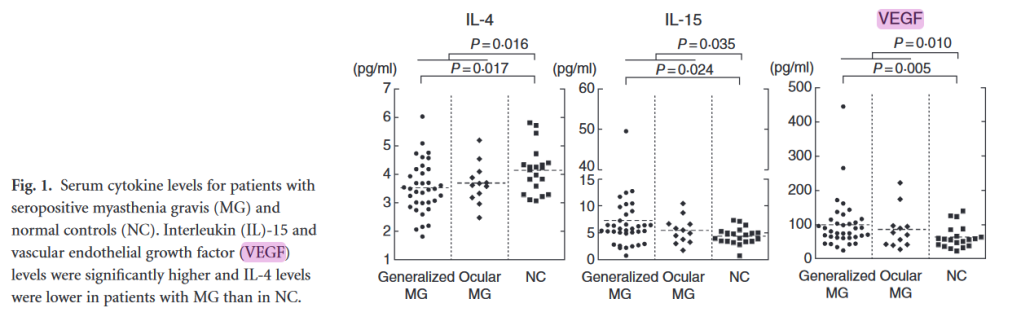
“Myasthenia gravis (MG), an antibody-mediated autoimmune disease of the neuromuscular junction, is characterized by muscle weakness and fatigability and is caused by autoantibodies against muscle nicotinic acetylcholine receptor (AChR). The anti-AChR antibody is produced by T cell-dependent and B cell-mediated pathogenic mechanisms, activates the complement system and leads to inflammation of the postsynaptic muscle membrane.” (Uzawa)
“Emergency surgery carries higher risk of mortality and morbidity. Appropriate risk assessment, attentive decision-making and carefully selected interventions are the cornerstones of a patient centered management.” (Leiner)
“Frailty, a “syndrome of loss of reserves,” is more than decade old concept. Initially it was used mainly in geriatrics but lately its use has been extended into other specialties including surgery. A meta-analysis demonstrated that frail surgical patients had a higher risk of readmission and increased risk of mortality.” (Leiner)
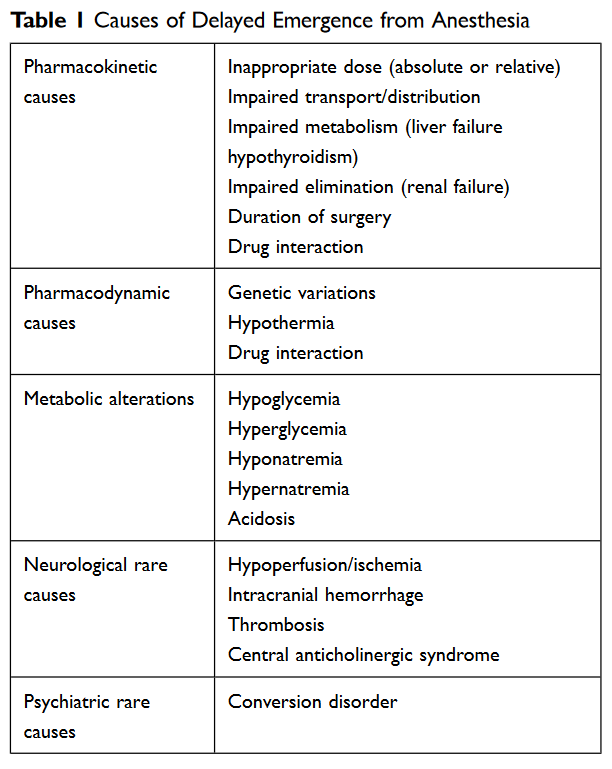
“Despite the medications commonly used in anesthesia allow recovery in a few minutes, a delay in waking up from anesthesia, called delayed emergence, may occur. This phenomenon is associated with delays in the operating room, and an overall increase in costs. Together with the emergence delirium, the phenomenon represents a manifestation of inadequate emergence. Nevertheless, in delayed emergence, the transition from unconsciousness to complete wakefulness usually occurs along a normal trajectory, although slowed down. On the other hand, this awakening trajectory could proceed abnormally, possibly culminating in the manifestation of emergence delirium. Clinically, delayed emergence often represents a challenge for clinicians who must make an accurate diagnosis of the underlying cause to quickly establish appropriate therapy.”
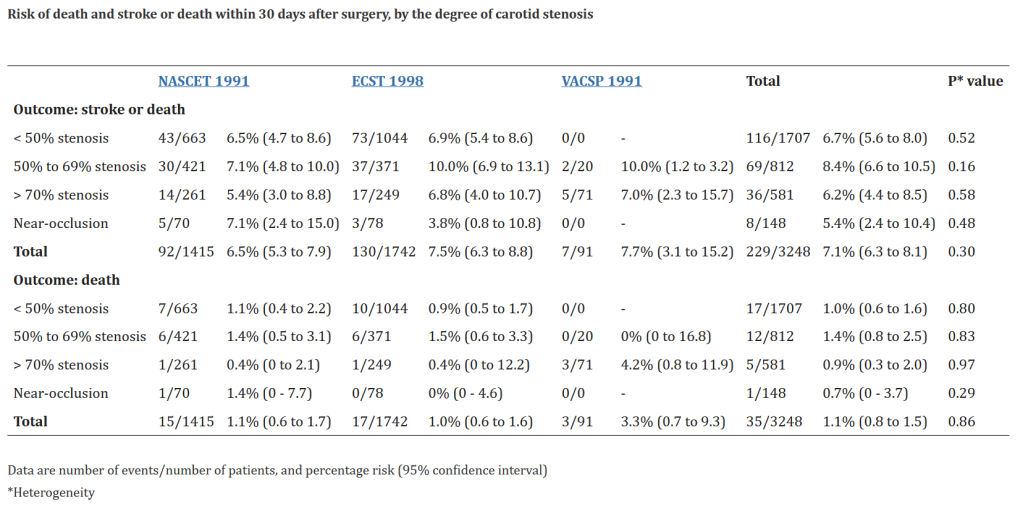
“Stroke is the third leading cause of death and the most common cause of long‐term disability. Severe narrowing (stenosis) of the carotid artery is an important cause of stroke. Surgical treatment (carotid endarterectomy) may reduce the risk of stroke, but carries a risk of operative complications. This is an update of a Cochrane Review, originally published in 1999, and most recently updated in 2017.” (Rerkasem)

 Surgical Focus