“Surgical site infection (SSI) is the most common complication of surgery around the world, and disproportionately affects patients in low income and middle income countries (LMICs). SSI is unpleasant and harmful for patients, increases the care burden on families and communities, and is very costly for patients and providers. As a result, SSI was highlighted as the highest research priority in surgery in a global co prioritisation exercise. The causes of SSI are multifactorial, and a so called magic bullet to prevent SSI is unlikely to exist. In modern surgical practice, very few interventions to reduce the incidence of SSI have
been shown to be effective when tested robustly.”
“The ChEETAh trial evaluated a change in behaviour across theatre teams to routinely change gloves and instruments at the time of abdominal wound closure. Compared with
previous studies, ChEETAh is large, pragmatic, rigorously conducted, and transparently reported. It also includes a diverse and representative range of patients operated on in
hospitals across middle-income and lower-income settings. The high adherence rate with the intervention shows that routine change of gloves and instruments is deliverable
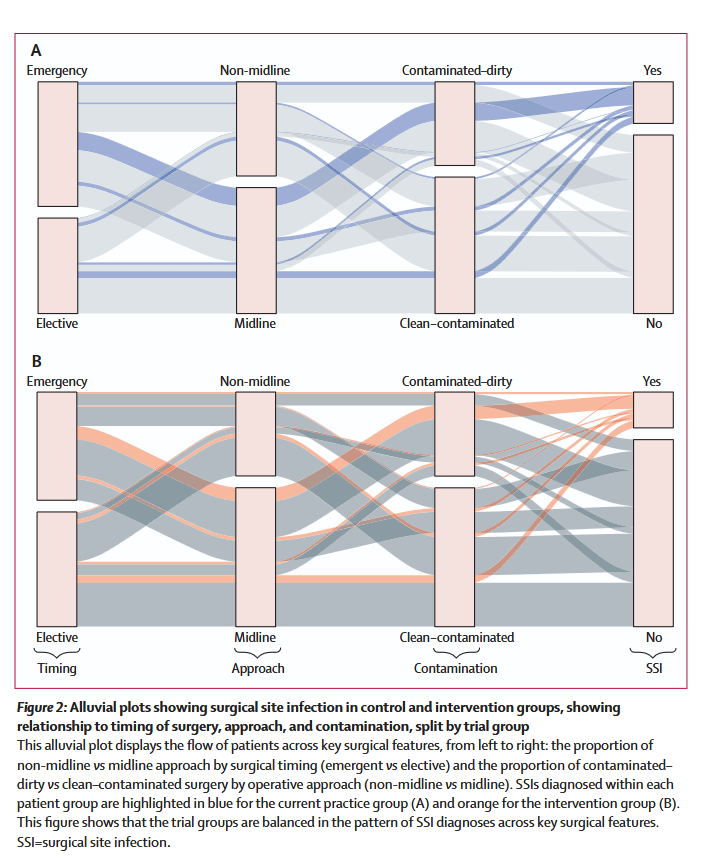
around the world. ChEETah robustly shows that routine change of gloves and instruments before wound closure reduced surgical site infections in clean–contaminated, contaminated, and dirty surgery, which was consistent across several sensitivity analyses. That there was no evidence to suggest heterogeneity of effect across any of the prespecified subgroups suggests that the effect is consistent across a wide range of patients.”