Cirrhotic nutritional management

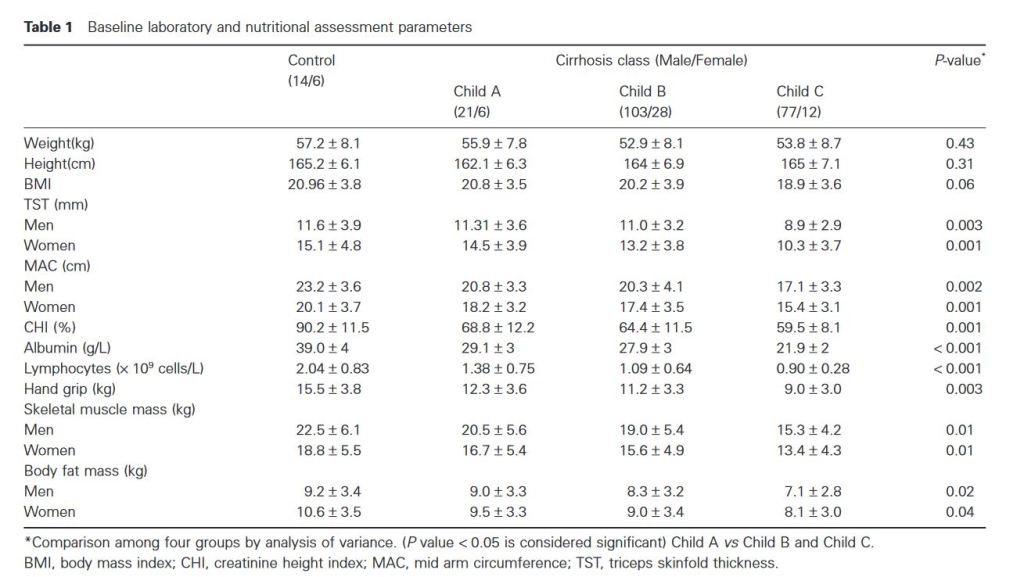
“Prevalence of malnutrition in chronic liver disease ranges between 10% and 100%, depends on severity of liver disease. Prevalence is more in patients with alcoholic cirrhosis compared to nonalcoholic cirrhotics. 3 Malnutrition is seen in all clinical stages but is easier to detect in advanced stages of liver cirrhosis. Many patients have subtle changes such as fat soluble vitamin deficiency, anemia from iron, folate or pyridoxine deficiency, altered cell-mediated immune functions and minimal loss of muscle mass, while patients with end-stage liver disease have muscle wasting, decreased fat stores, and cachexia.”
Continue reading

Vascular injury in hernia repair

“Complications are known to occur at each and every step of hernia surgery. Applying caution while performing each step can save the patient from a lot of morbidity. One starts by applying strict patient selection criteria for endoscopic hernia repair, especially in the initial part of ones learning curve. A thorough knowledge of anatomy goes a long way in avoiding most of the complications seen in hernia repair. This anatomy needs to be relearned from what one is used to, as the approach is totally different from an open hernia repair. And finally, learning and mastering the right technique is an essential prerequisite before one ventures into inguinal hernia repair.”

“The most important preoperative precaution is proper patient selection prior to surgery, especially in the initial part of the learning curve. Ideally, direct or small indirect hernias are best. Large hernias, obese patients and irreducible, obstructed hernias are best avoided. An absolute contraindication is strangulated hernia. Also a detailed work-up of elderly patients to assess cardiorespiratory status is mandatory to ensure a safe outcome.”

Continue reading

Splenic injury grades & management

“Management of blunt spleen injuries has evolved from mandatory splenectomy to non-operative management (NOM) allowing for splenic salvage. The Eastern Association for the Surgery of Trauma (EAST) practice management guideline for the management of blunt solid organ injury recommends NOM in splenic injury regardless of age, grade, or associated injuries.”

“Splenectomy continues to be the treatment of choice in patients with unstable hemodynamics and a known splenic injury. In the hemodynamically normal patient, current practice is to observe the patient and treat with NOM to save the patients the complications associated with surgery.”

Continue reading

Parkinson’s Gut Motility

“Growing evidence suggests an increasing significance for the extent of gastrointestinal tract (GIT) dysfunction in Parkinson’s disease (PD). Most patients suffer from GIT symptoms, including dysphagia, sialorrhea, bloating, nausea, vomiting, gastroparesis, and constipation during the disease course. The underlying pathomechanisms of this α-synucleinopathy play an important role in disease development and progression, i.e., early accumulation of Lewy pathology in the enteric and central nervous systems is implicated in pharyngeal discoordination, esophageal and gastric motility/peristalsis impairment, chronic pain, altered intestinal permeability and autonomic dysfunction of the colon, with subsequent constipation.”

Continue reading

Retained wound VAC material as complication of abdominoplasty

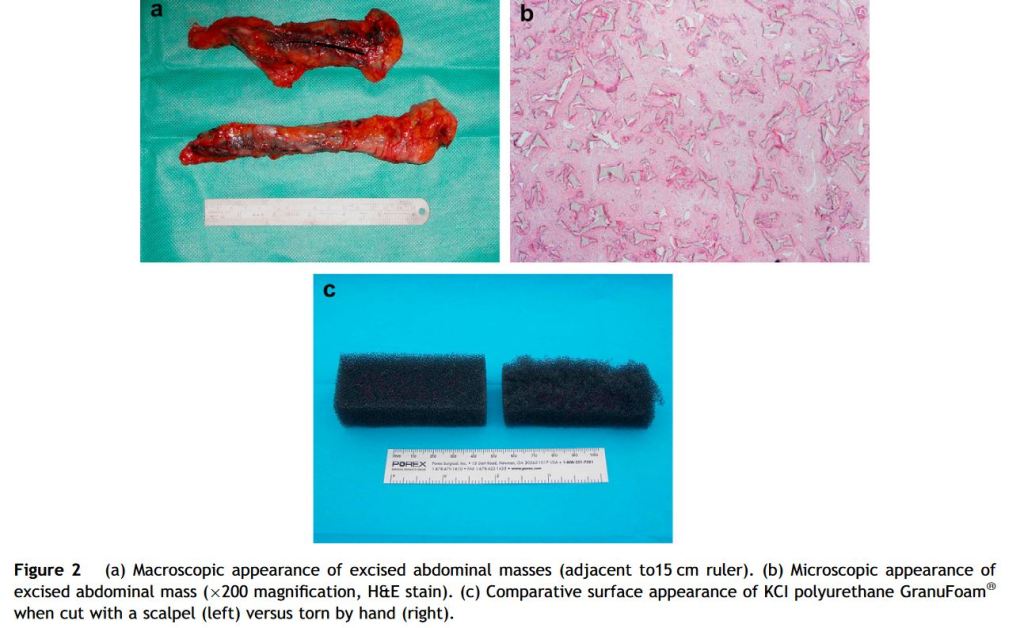
With large cavitating wounds, there is a risk of sponge retention that may be all too easily
overlooked, particularly with the surgeons’ habit of cutting the sponge to the desired shape and the use of multiple fragments. We therefore recommend that a count is made of the number of sponges used – as is standard practise for swabs, needles and instruments.

Continue reading

Percutaneous transhepatic biliary drainage (PTBD) in patients with biliopancreatic and biliary leak post-Whipple

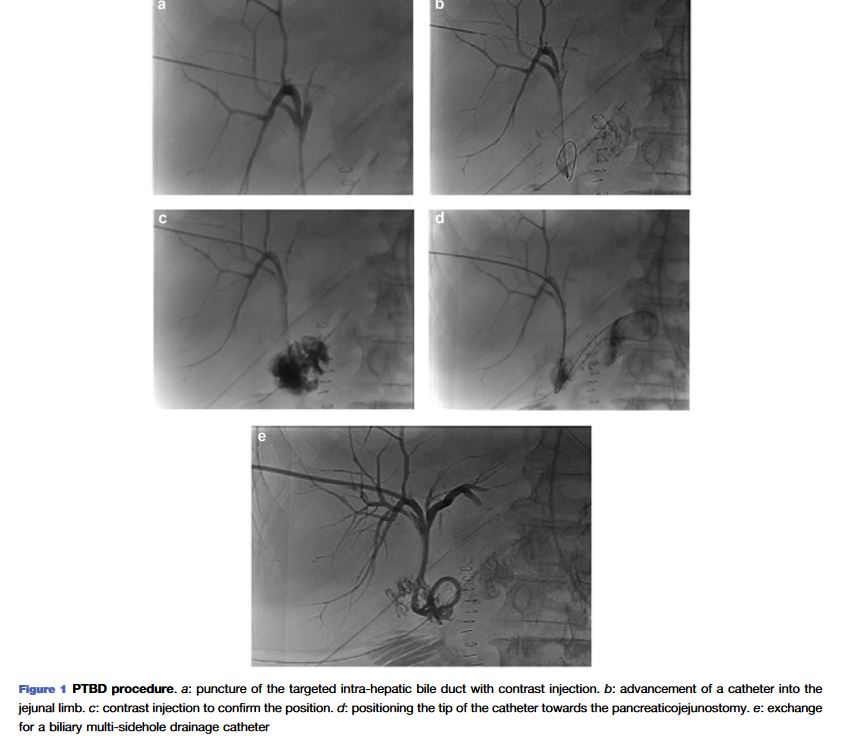
“Complementary to percutaneous intra-abdominal drainage, percutaneous transhepatic
biliary drainage (PTBD) might ameliorate healing of pancreatic fistula and biliary leakage after pancreatoduodenectomy by diversion of bile from the site of leakage. Pancreatoduodenectomy is a complex surgical procedure associated with a high risk of complications (50%), even at specialized high-volume centers. A common complication is leakage of the pancreatic anastomosis: i.e. postoperative pancreatic fistula (POPF). The incidence of clinically relevant POPF (grade B/C) is approximately 12%. A less common complication is bile leakage, with an incidence varying between 1 and 4%.”

Continue reading

Association between positive intra-operative bile cultures during Whipple procedures and subsequent organ space infections

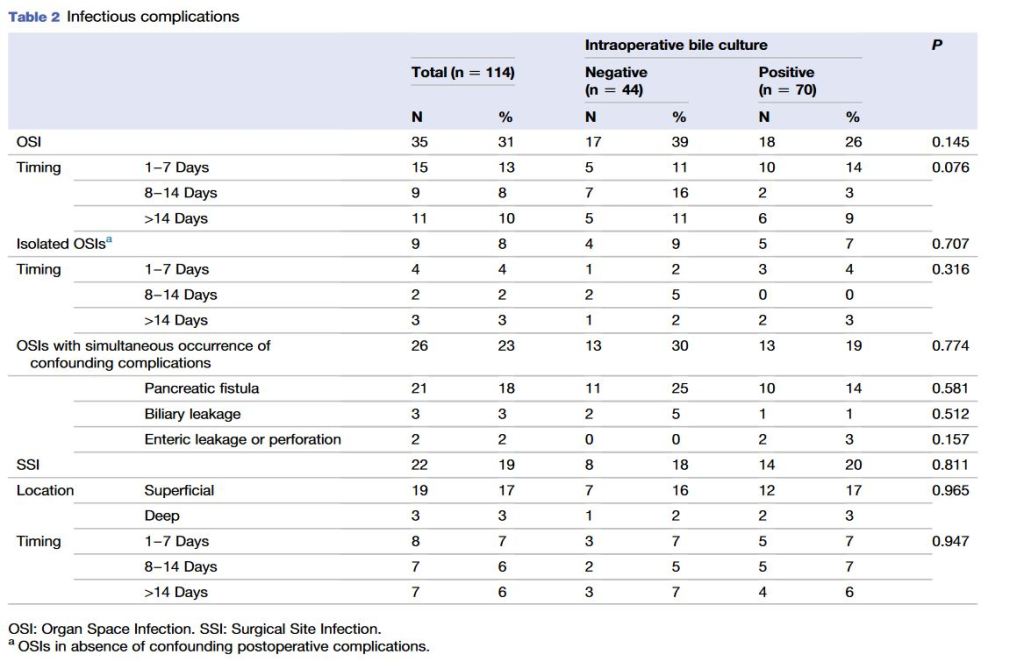
“The association between intraoperative bile cultures and infectious complications after
pancreatoduodenectomy remains unclear. Pancreatoduodenectomy remains a complex and technically demanding procedure with high rates of morbidity (25–52%) and mortality (1–3%). Infectious complications, such as surgical site infections (SSIs) and organ space infections (OSIs), are reported as the most common complications following pancreatoduodenectomy besides pancreatic fistula and delayed gastric emptying.”

Continue reading