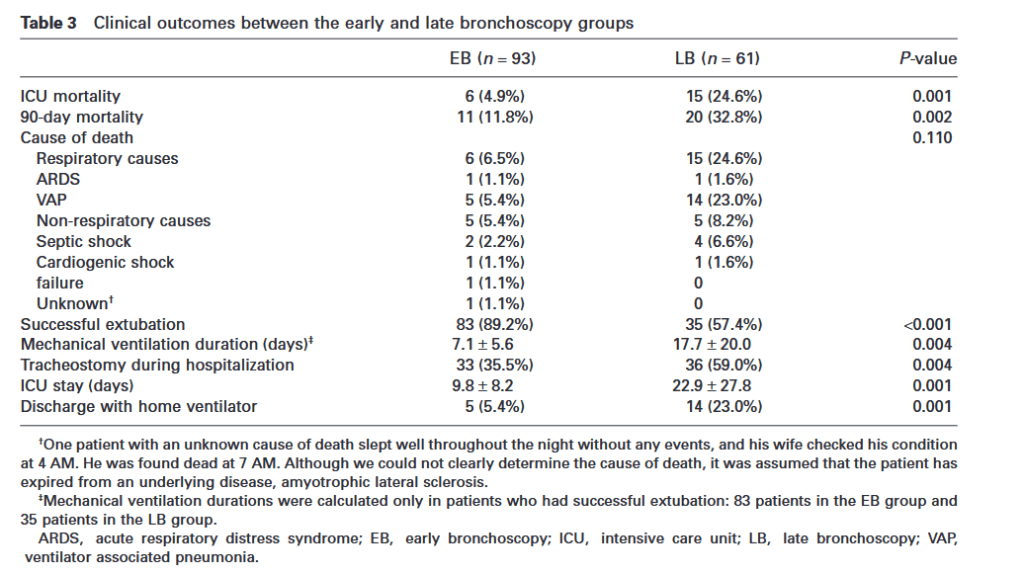
Clinical impact of early bronchoscopy in mechanically ventilated patients with aspiration pneumonia

“Aspiration is a process whereby material from the oropharynx and stomach enter the larynx or lower respiratory tract; it is reported to occur in 10.3% of patients who are diagnosed with community-acquired pneumonia and 30% of patients with pneumonia who are admitted from a long-term care facility. Approximately 90% of patients in intensive care units (ICU) also experience aspiration events at least once during their ICU stay.
Aspiration pneumonia is an infectious and inflammatory process of microorganisms, which colonize in the aspirated materials. It has been demonstrated that bronchoscopy accompanied with bronchoalveolar lavage (BAL) is helpful for patients with aspiration-induced lung injury in order to reveal causative organisms and determine the appropriate duration of antibiotic treatment. It is also known that the initial administration of appropriate antibiotics can lower the mortality rate in these patients.”

Continue reading

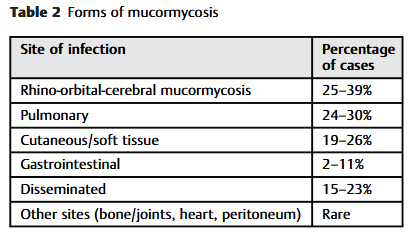
Mucormycosis. Therapy and guidelines

“Mucormycosis is an infection caused by a group of filamentous molds within the orders Mucorales and Entomophthorales. Mucorales occupy environmental niches including soil, decaying vegetable matter, bread, and dust. Infections due to Mucorales may result from inhalation of spores into the respiratory tract, ingestion of contaminated foods, or
inoculation of disrupted skin or wounds. In developed countries, mucormycosis occurs primarily in severely immunocompromised hosts. In contrast, in developing countries, a substantial number of cases of mucormycosis occur in patients with poorly controlled diabetes mellitus (DM) or persons who have sustained trauma. Mucormycosis exhibits a marked propensity to invade blood vessels, leading to thrombosis, necrosis, and infarction of tissue, and mortality is high.”

Continue reading

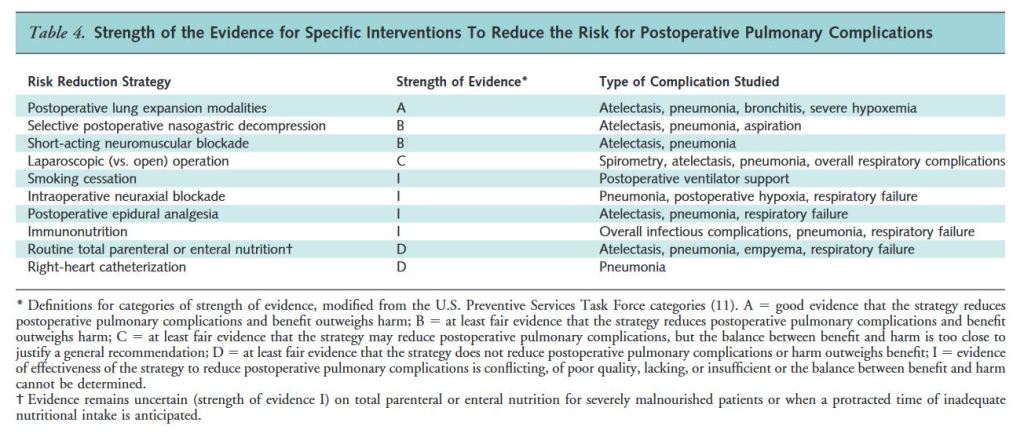
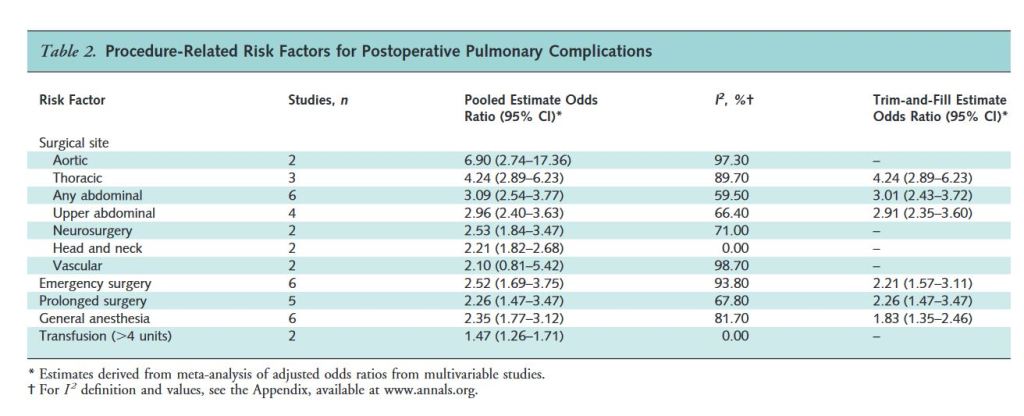
Strategies To Reduce Postoperative Pulmonary Complications after Noncardiothoracic Surgery

“Postoperative pulmonary complications are as common as cardiac complications for patients undergoing non-cardiothoracic surgery. Further, these complications
have similar mortality rates and length of stay after elective abdominal surgery or hip fracture repair. This current systematic review synthesizes the evidence on preventive strategies and focuses on atelectasis, pneumonia, and respiratory failure.”

Continue reading

Preoperative pulmonary risk stratification for noncardiothoracic surgery

“Postoperative pulmonary complications contribute importantly to the risk for surgery and anesthesia. The most important and morbid postoperative pulmonary complications are atelectasis, pneumonia, respiratory failure, and exacerbation of underlying chronic lung disease. Clinicians who care for patients in the perioperative period may be surprised to learn that postoperative pulmonary complications are equally prevalent and contribute similarly to morbidity, mortality, and length of stay.”

Continue reading

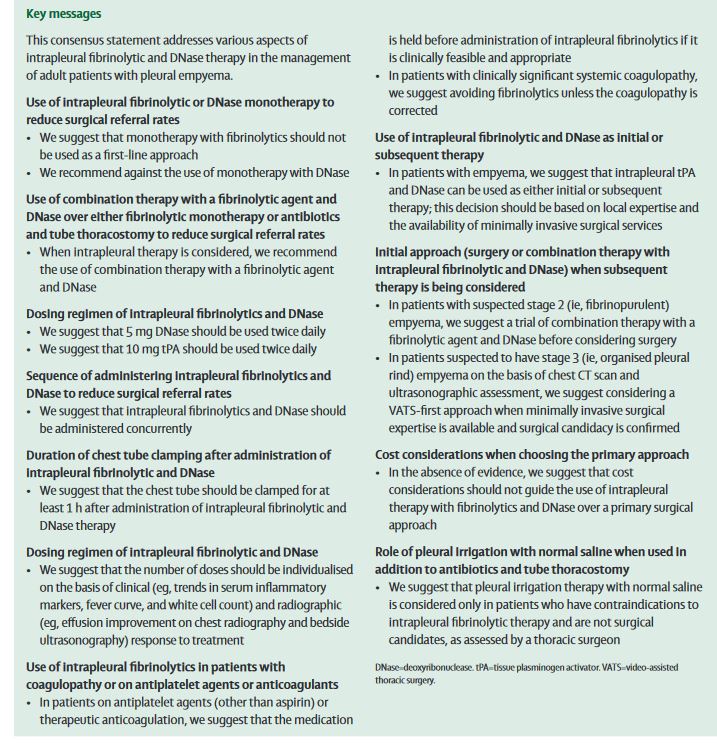
Use of lytics in patients with pleural empyema

“Parapneumonic effusions evolve through a spectrum of three stages. The initial exudative stage (stage 1; analogous to simple parapneumonic effusion) is characterised by an increased outpouring of fluid into the pleural space mediated by capillary permeability. If left
untreated, persistent inflammation with the associated rise in fluid plasminogen activator inhibitor causes a decrease in fluid fibrinolytic concentrations. During this second stage (stage 2; fibrinopurulent stage), as the effusion becomes infected, septations and adhesions
induced by fibrin deposition divide the space into pockets or locules. With the proliferation of fibroblasts and the formation of a pleural peel, lung expansion becomes restricted and can result in a non-expandable lung. It is important to initiate all medical treatment before this
final so-called organising stage (stage 3) ensues.”

Continue reading

Immune-mediated inflammatory diseases and risk of venous thromboembolism:

“Venous thromboembolism (VTE), including deep vein thrombosis (DVT) and pulmonary embolism (PE), affects ~10 million people worldwide every year, representing the third most
common cardiovascular disease globally. The 30-day case fatality rate after VTE diagnosis is 10.6%, with about 30% to 50% of survivors developing long-term complications that increase
the burden of this disease.”

Continue reading