Mucormycosis. Therapy and guidelines

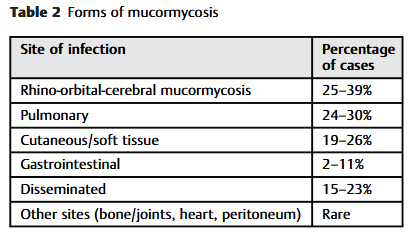
“Mucormycosis is an infection caused by a group of filamentous molds within the orders Mucorales and Entomophthorales. Mucorales occupy environmental niches including soil, decaying vegetable matter, bread, and dust. Infections due to Mucorales may result from inhalation of spores into the respiratory tract, ingestion of contaminated foods, or
inoculation of disrupted skin or wounds. In developed countries, mucormycosis occurs primarily in severely immunocompromised hosts. In contrast, in developing countries, a substantial number of cases of mucormycosis occur in patients with poorly controlled diabetes mellitus (DM) or persons who have sustained trauma. Mucormycosis exhibits a marked propensity to invade blood vessels, leading to thrombosis, necrosis, and infarction of tissue, and mortality is high.”
Continue reading

Strategies To Reduce Postoperative Pulmonary Complications after Noncardiothoracic Surgery

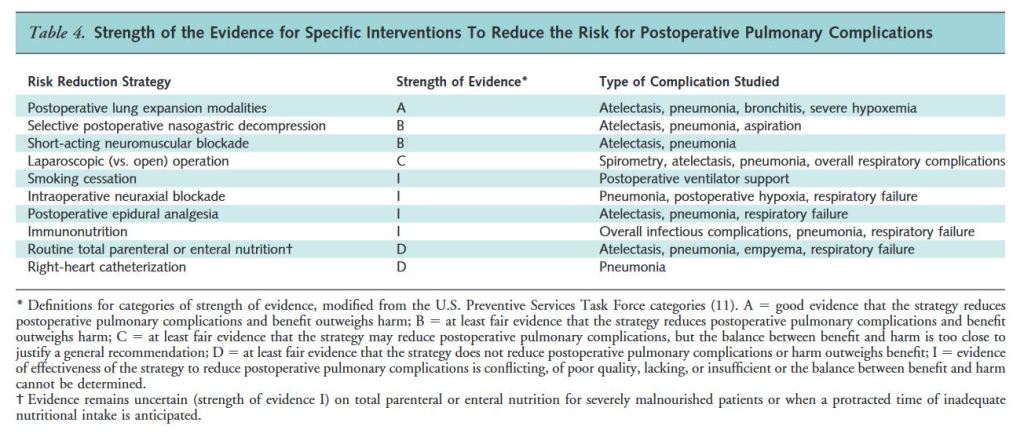
“Postoperative pulmonary complications are as common as cardiac complications for patients undergoing non-cardiothoracic surgery. Further, these complications
have similar mortality rates and length of stay after elective abdominal surgery or hip fracture repair. This current systematic review synthesizes the evidence on preventive strategies and focuses on atelectasis, pneumonia, and respiratory failure.”

Continue reading

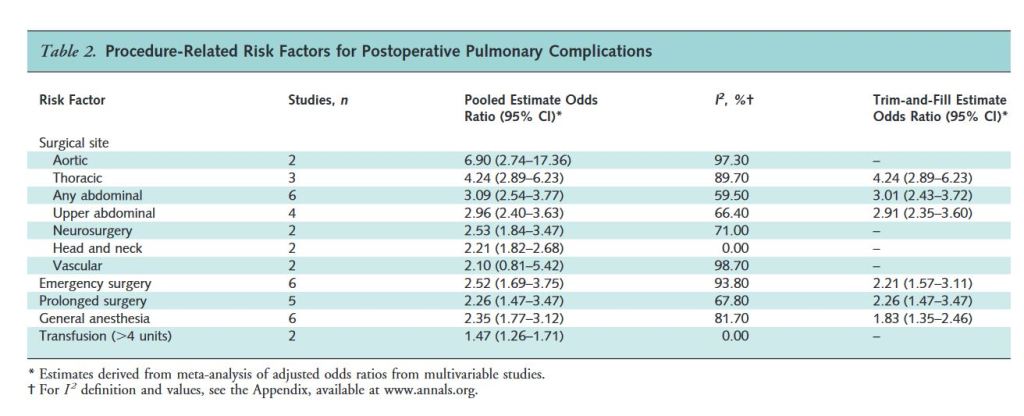
Preoperative pulmonary risk stratification for noncardiothoracic surgery

“Postoperative pulmonary complications contribute importantly to the risk for surgery and anesthesia. The most important and morbid postoperative pulmonary complications are atelectasis, pneumonia, respiratory failure, and exacerbation of underlying chronic lung disease. Clinicians who care for patients in the perioperative period may be surprised to learn that postoperative pulmonary complications are equally prevalent and contribute similarly to morbidity, mortality, and length of stay.”

Continue reading