
Development of Diabetes after Pancreaticoduodenectomy

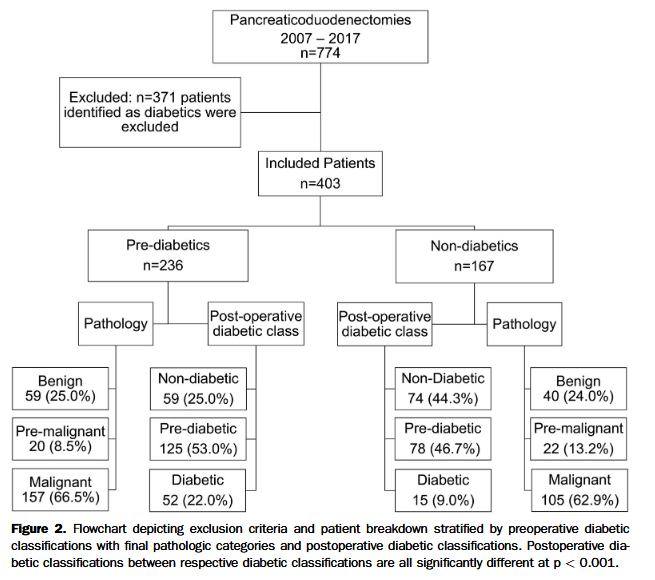
“The association with new-onset impaired glucose tolerance (or pre-diabetes) and diabetes has been observed since the inception of and subsequent popularization of pancreaticoduodenectomy (PD) the gold-standard surgical treatment for resectable pancreatic head pathologies. Standardization of surgical techniques, advancements in peri-operative care, and improved understanding of inflicting pathologies have led to drastic reductions in mortality and morbidity across all indications. Despite these advancements, the relationship between diabetes development and parenchymal resection, pathology, and
comorbid states remains understudied.”
Continue reading

Sodium-Glucose Cotransporter 2 (SGLT2) Inhibitor Associated Euglycemic Diabetic Ketoacidosis

Thanks to LeslieAnn S. Kao, MD (General Surgery PGY-4) for suggesting this topic.


Somagutta MR, et al. Euglycemic Diabetic Ketoacidosis and Sodium-Glucose Cotransporter-2 Inhibitors: A Focused Review of Pathophysiology, Risk Factors, and Triggers. Cureus. 2021 Mar 3;13(3):e13665.

The underlying mechanism is mainly enhanced lipolysis and ketone body reabsorption. SGLT2i also stimulates pancreatic alpha cells and inhibits beta cells, causing an imbalance in glucagon/insulin levels, further contributing to lipolysis and ketogenesis. Most patients were diagnosed with blood glucose less than 200 mg/dL, blood pH <7.3, increased anion gap, increased blood, or urine ketones. Perioperative fasting, pancreatic etiology, low carbohydrate or ketogenic diet, obesity, and malignancy are identified precipitants in this review. As normoglycemia can conceal the underlying acidosis, physicians should be cognizant of the EDKA diagnosis and initiate prompt treatment. Patient education on risk factors and triggers is recommended to avoid future events.

Continue reading