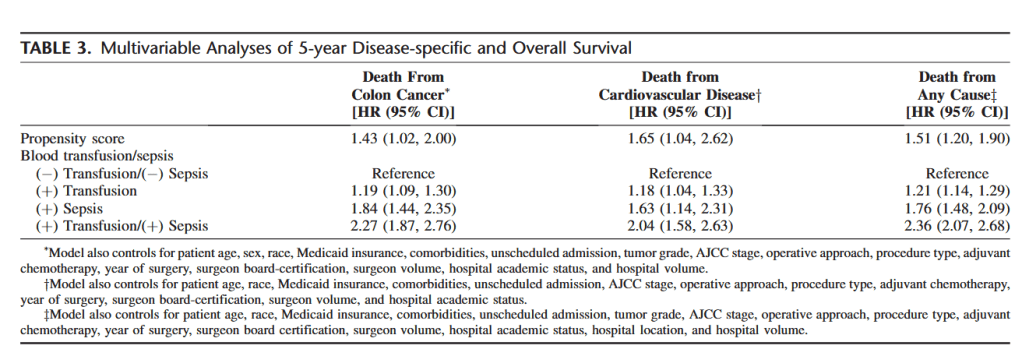
Association Among Blood Transfusion, Sepsis, and Decreased Long-term Survival After Colon Cancer Resection

“Colorectal cancer is the second-leading cause of cancer-related mortality in both the United States and Europe. With respect to prognosis, increasing evidence has suggested that systemic inflammation is a key predictor of disease progression and survival for colorectal cancer patients undergoing surgery. Furthermore, whereas red blood cell (RBC) transfusions may be life-saving in some circumstances, there has been growing evidence that transfusions are associated with adverse postoperative outcomes, including infectious complications and cancer recurrence. These detrimental effects are thought to be related to systemic inflammation and transfusion-related immunomodulation (TRIM). Whereas the exact mechanisms remain unknown, TRIM seems to be related to various immunologic changes, including decreased interleukin (IL)-2 production, monocyte and cytotoxic cell activity inhibition, increased suppressor T-cell activity, and immunosuppressive prostaglandin release.”
Continue reading

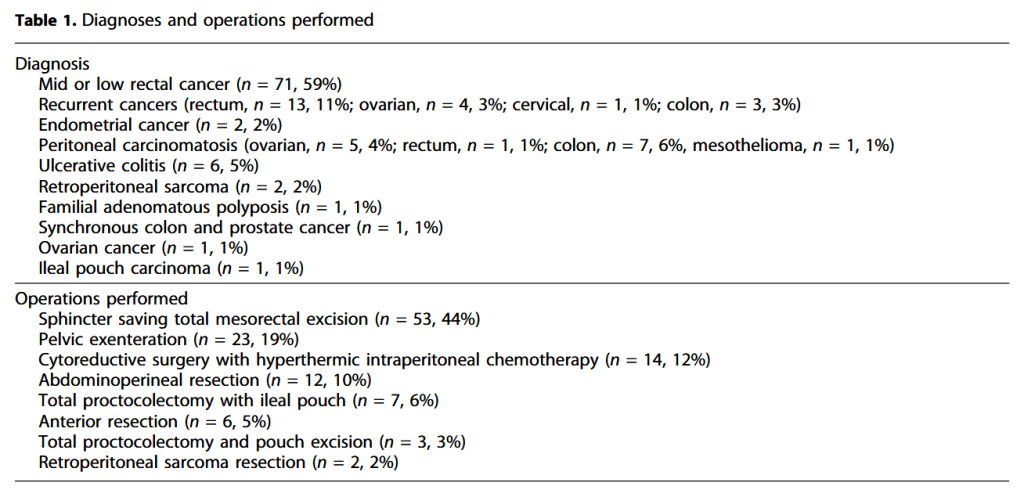
Management and Morbidity of Major Pelvic Hemorrhage in Complex Abdominopelvic Surgery

“Complex abdominopelvic surgery (CAPS) includes a wide variety of difficulties related to primary disease and hostile intrapelvic environment. Any radical abdominopelvic operation which is not standardized is complex. Hence, radical oncologic operations for the primary advanced or recurrent carcinoma of pelvic organs, revisional operations for failed restorative operations for maintaining intestinal continuity are considered as CAPS.”

Continue reading

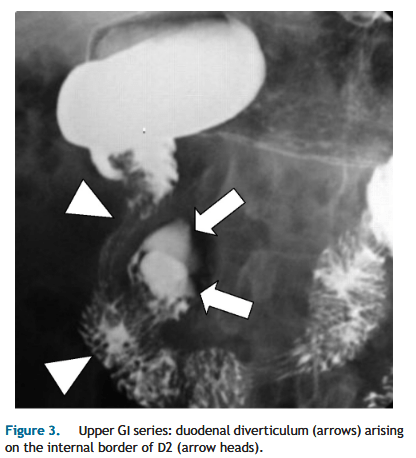
Management of complicated duodenal diverticula

“Despite their frequent occurrence, DD are asymptomatic in 95% of cases, while 1 to 5% eventually become symptomatic. Intervention is indicated only for symptomatic duodenal diverticula(DD). Complications related to DD are rare but may be very severe; they include biliary or pancreatic obstruction, duodenal obstruction, perforation, or hemorrhage.
Endoscopic treatment is usually the first-line approach to biliopancreatic complications related to juxtapapillary DD and also for hemorrhagic complications. Indirect surgical
treatments include bilio-enteric bypasses and even duodenal exclusion. Direct surgical treatment consists of duodenal diverticulectomy, which has significant morbidity and mortality; prophylactic excision of asymptomatic DD is therefore not recommended.”

Continue reading

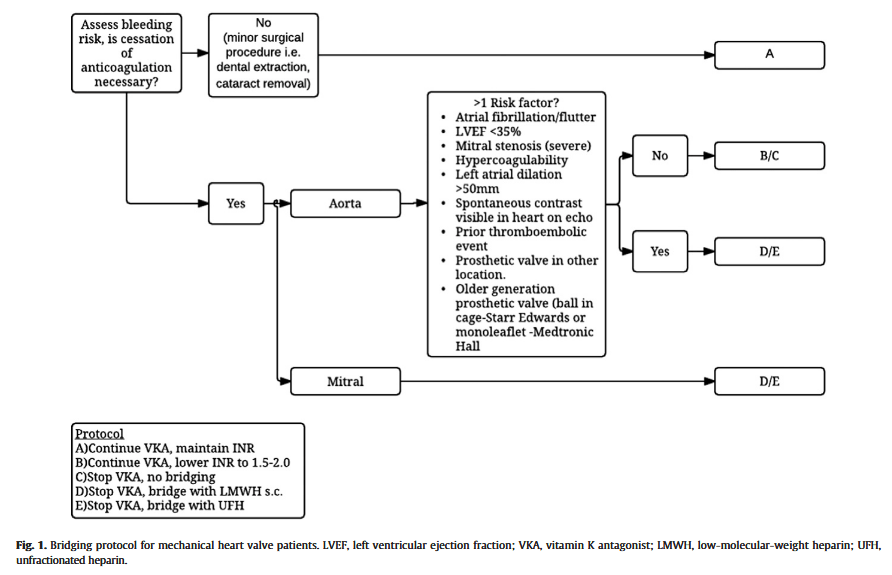
Anticoagulant bridging in left-sided mechanical heart valve patients

“There are two strategies for heparin bridging; administration of intravenous unfractionated heparin (UFH), and subcutaneous low-molecular-weight heparin (LMWH). While both strategies reduce the risk of valve thrombus formation, they have distinct biomedical, financial, and logistical profiles. UFH is administered intravenously according to a nomogram and hence requires peri-procedural hospital admission and continuous monitoring of
activated partial thromboplastin time (aPTT). In contrast, LMWH is administered subcutaneously once or twice daily in an outpatient setting and usually does not require continuous blood monitoring of anti-Xa levels.”

Continue reading

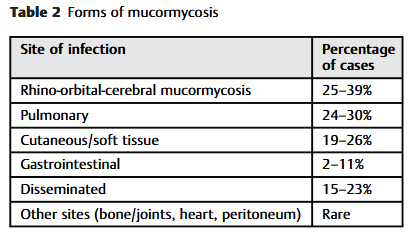
Mucormycosis. Therapy and guidelines

“Mucormycosis is an infection caused by a group of filamentous molds within the orders Mucorales and Entomophthorales. Mucorales occupy environmental niches including soil, decaying vegetable matter, bread, and dust. Infections due to Mucorales may result from inhalation of spores into the respiratory tract, ingestion of contaminated foods, or
inoculation of disrupted skin or wounds. In developed countries, mucormycosis occurs primarily in severely immunocompromised hosts. In contrast, in developing countries, a substantial number of cases of mucormycosis occur in patients with poorly controlled diabetes mellitus (DM) or persons who have sustained trauma. Mucormycosis exhibits a marked propensity to invade blood vessels, leading to thrombosis, necrosis, and infarction of tissue, and mortality is high.”

Continue reading

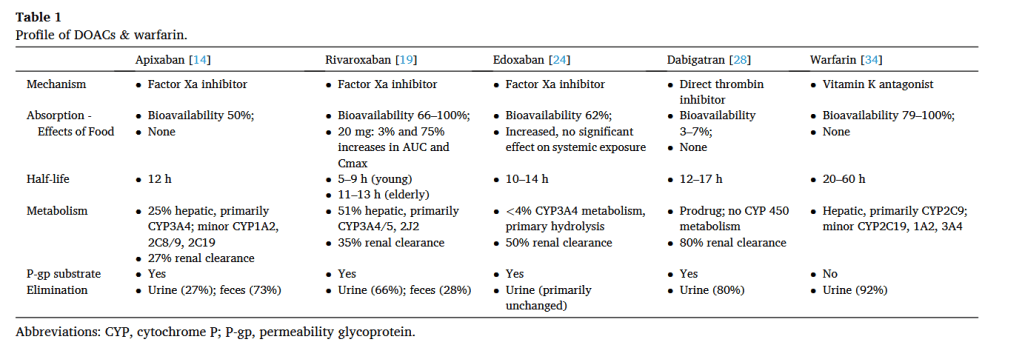
Management of anticoagulation in patients with human immunodeficiency virus/acquired immunodeficiency virus

“There is evidence of endothelial dysfunction and a dysregulation of coagulation and fibrinolysis in individuals with HIV. In a study of 109 HIV-infected patients with advanced disease, 10% developed venous thrombosis and 6% developed arterial thrombosis. A variety of laboratory abnormalities were reported, including protein C deficiency, increased factor VIII concentrations, high fibrinogen concentrations, and free protein S deficiency. HIV infection is also associated with an increased D-dimer level, which suggests that HIV infection might be associated with a pro-thrombotic state. HIV disease is theorized to produce a pro-thrombotic state through mechanisms related to activation of the innate and adaptive immune system by low level HIV replication, co-pathogens, and microbial products trans-located from the gastrointestinal tract,”

“The impact of HAART on coagulation is unclear. Protease inhibitors (PI) have been associated with higher fibrinogen levels and lipodystrophy. PIs are also thought to interfere with cytochrome P (CYP) 450 metabolism and regulation of thrombotic proteins. This may
cause a pro-thrombotic state in HIV-infected individuals”

Continue reading

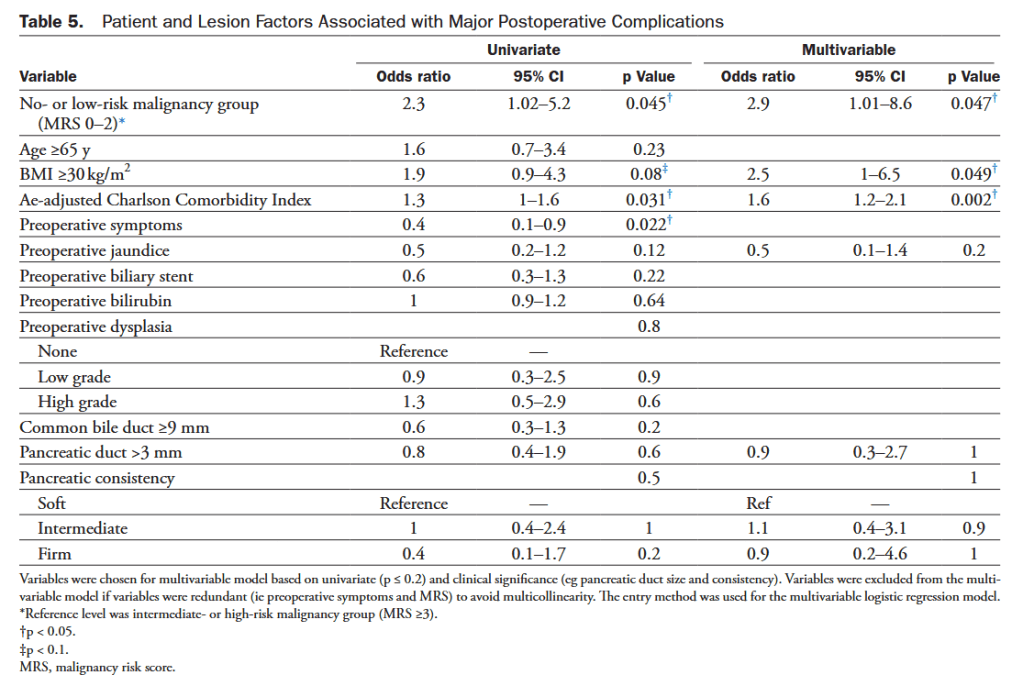
Multi-Institutional Analysis of Pancreaticoduodenectomy for Nonfamilial Periampullary Adenoma

“Preoperative assessment of underlying malignancy in non-FAP-related PAs requiring PD may be difficult, as endoscopic biopsy carries a false-negative rate as high as 50%. Although PD aims at preempting malignant transformation through complete removal of DA, it comes with significant morbidity and mortality risks. This is particularly relevant in patients with benign or premalignant pathology due to soft pancreatic parenchymal texture and small pancreatic duct diameter.”

Continue reading