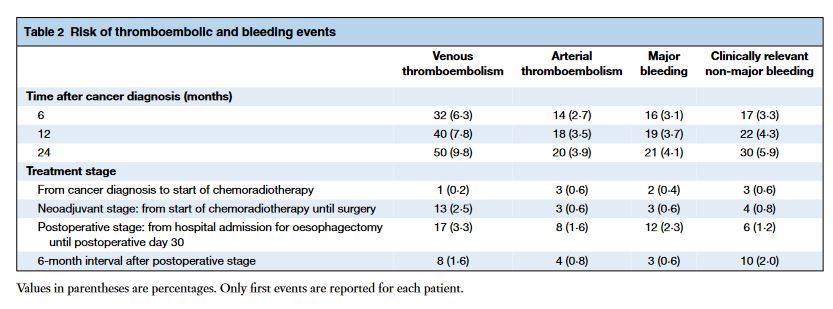
“Patients with oesophageal cancer undergoing neoadjuvant chemoradiotherapy and surgery are at substantial risk of thromboembolic and bleeding events throughout all stages of treatment. Survival is worse in patients with thromboembolic events during follow-up.”
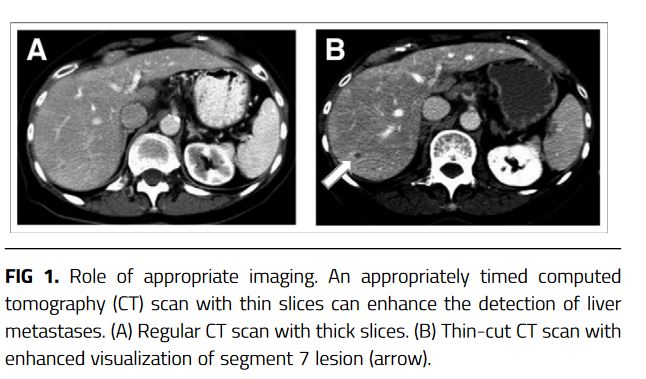
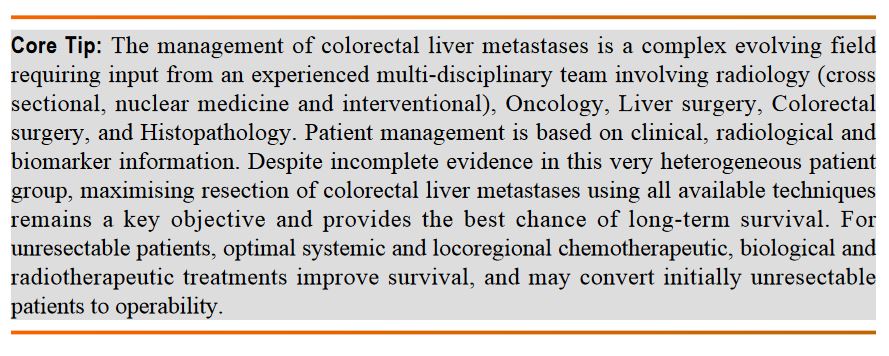
“Surgical resection remains one of the major curative treatment options available to patients with colorectal liver metastases. Surgery and chemotherapy form the backbone of the treatment in patients with colorectal liver metastases. With more effective chemotherapy regimens being available, the optimal timing and sequencing of treatments are important. A multidisciplinary approach with the involvement of medical oncologists and surgical oncologists from the beginning is crucial.”
“Colorectal cancer (CRC) represents a major worldwide health care burden, as the second most common cancer diagnosed in women and third most common in men, and accounting for 10% of all annually diagnosed cancers and cancer-related deaths worldwide. As result of improvements in detection through screening, better referral pathways, centralisation of services, effective primary surgery, development of systemic chemotherapy, biological agents, and understanding of tumour biology, survival rates following diagnosis have improved. Nevertheless, at least 25%-50% of patients with CRC develop colorectal liver metastases (CRLM) during the course of their illness.”
“While most studies have found that patients with dMMR (vs proficient MMR [pMMR]) tumors have a more favorable stage-adjusted prognosis, other studies have not detected a significant difference in clinical outcome or have suggested that any favorable prognostic effect of dMMR is limited to patients with earlier-stage tumors. Furthermore, studies have shown that dMMR tumors may not benefit from fluorouracil-based adjuvant chemotherapy. However, the impact of MMR status remains controversial in the era of the standard FOLFOX adjuvant chemotherapy. In a pooled analysis, we examined the association of MMR status with disease-free survival (DFS) in patients with stage III colon cancer treated with FOLFOX from 2 phase 3 randomized clinical trials.”
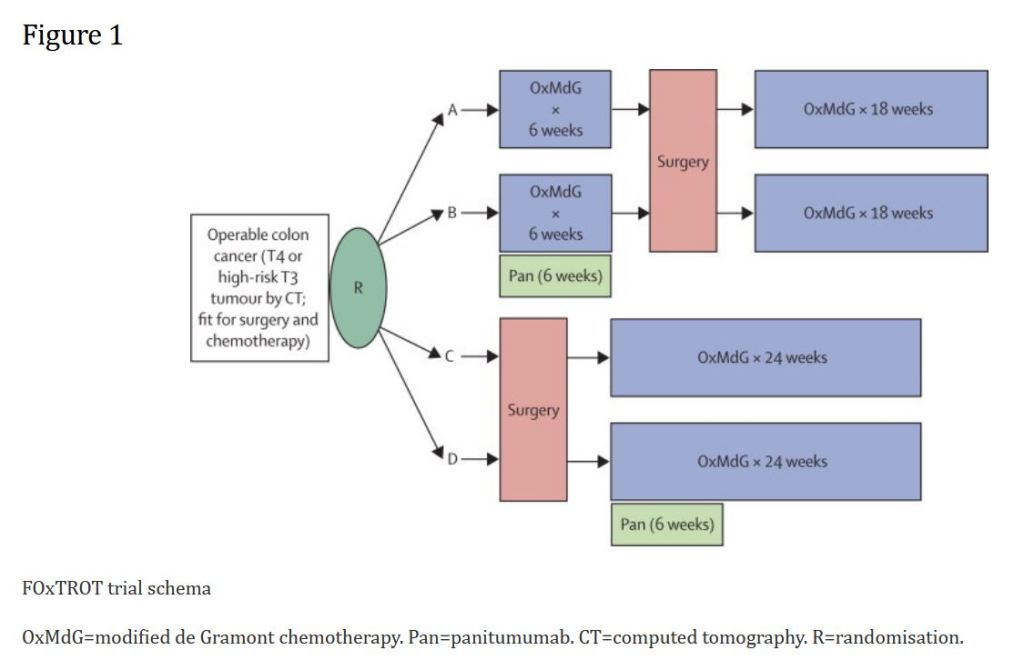
“Preoperative (neoadjuvant) chemotherapy and radiotherapy are substantially more effective than similar postoperative therapy in oesophageal, gastric, and rectal cancer. Earlier treatment might be more effective at eradicating micrometastatic disease than the same treatment 3 months later, the typical period between diagnosis and starting postoperative chemotherapy, particularly because surgery increases growth factor activity in the early postoperative period, promoting more rapid tumour progression.”
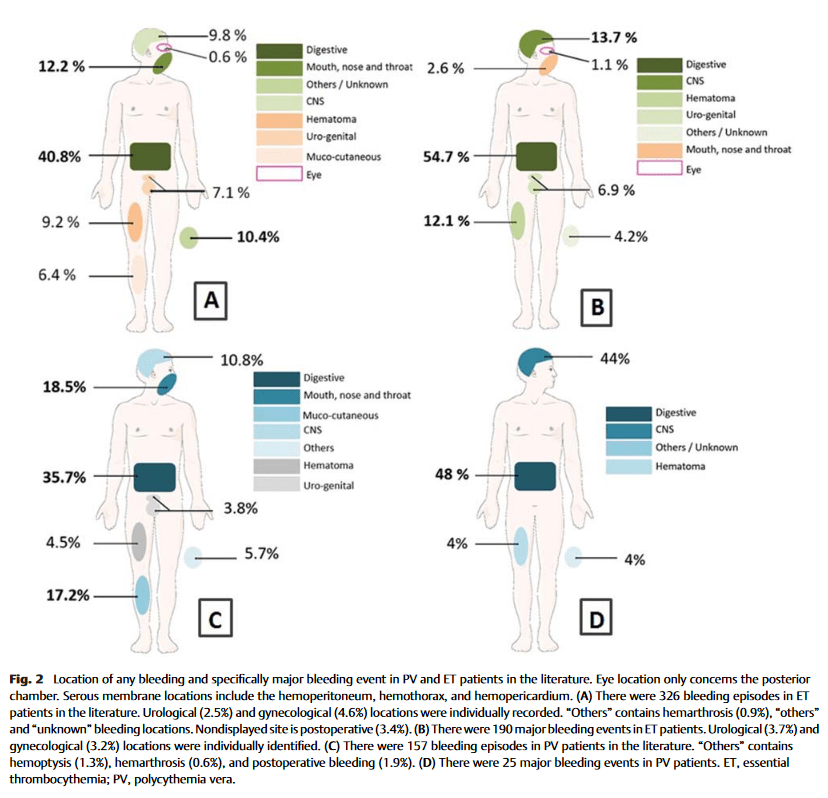
“Hemorrhage is a well-known complication of essential thrombocythemia (ET) and polycythemia vera (PV), but evidence-based data on its management and prevention are lacking to help inform clinicians”
“Myeloproliferative neoplasms (MPNs) are a group of hematological malignancies individualized in the 2016 World Health Organization (WHO) classification.1 They are subdivided into two groups: chronic myeloid leukemia and Philadelphia-negative MPNs, which are further divided into essential thrombocythemia (ET), polycythemia vera (PV), primitive myelofibrosis (PMF), and prefibrotic myelofibrosis.Philadelphia-negative MPNs are characterized by the chronic proliferation of myeloid cells in bone marrow and three main clonal mutations.”


 Surgical Focus