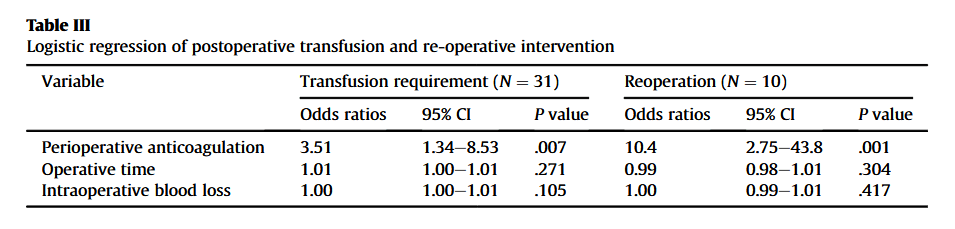
“Rates of postoperative bleeding and transfusion are either widely variable or often unreported. As a high-volume center, we have anecdotally appreciated significant rates of each but admittedly have not accurately reported the degree of this specific morbidity in our practice. This study aims to quantify postoperative blood loss, rates of blood transfusion, and the incidence of operative or endovascular intervention for bleeding, as well as associated risk factors contributing to this morbidity in patients undergoing open TAR.”
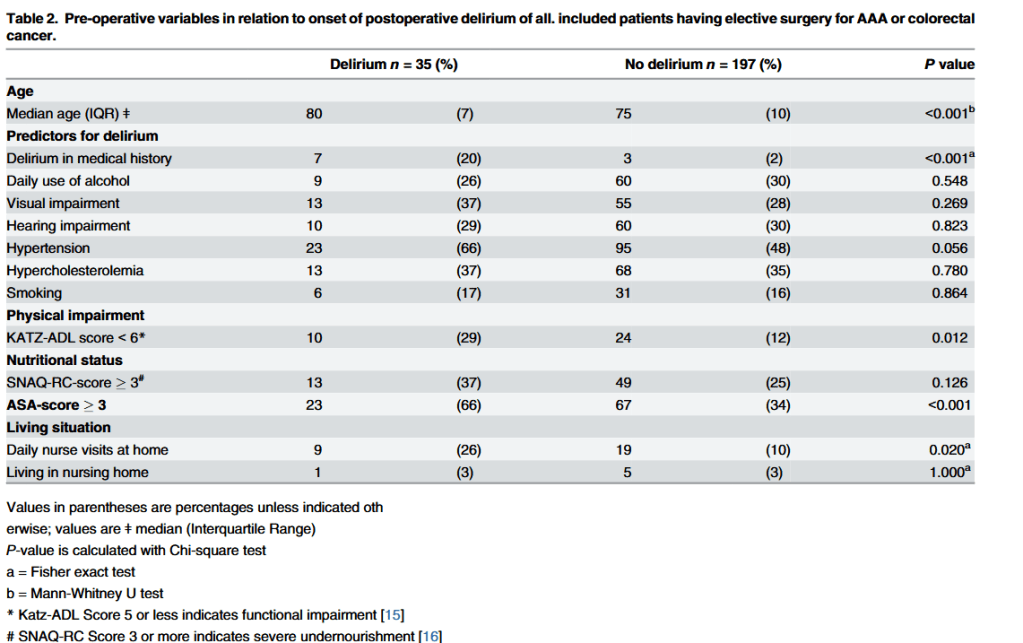
“The number of people over 65 years is increasing and will continue to do so over the coming decades. Similarly, the number of elderly patients requiring surgery is expected to increase. Delirium is a common and serious problem in hospitalized patients, especially in the elderly. Postoperative delirium is associated with an increase in postoperative complications, a decrease in functional capacity, a prolonged hospital stay and a direct increase of healthcare costs. Early identification of patients at risk for delirium is important because adequate well timed interventions could prevent occurrence of delirium and the related detrimental outcome. Several prediction models have been developed, including multiple risk factors for postoperative delirium. However, these studies are of varying quality and each with a heterogeneous population. Measuring frailty may be a more sensitive marker of determining post-operative delirium. However, to this date, there is no consensus on a clear definition and quantification of frailty. Several assessment instruments have been developed for frailty during the last decades. The most evidence based process to identify frail patients at this moment is comprehensive geriatric assessment. However, this is a resource intensive, time consuming process and therefore not suitable for clinical practice”
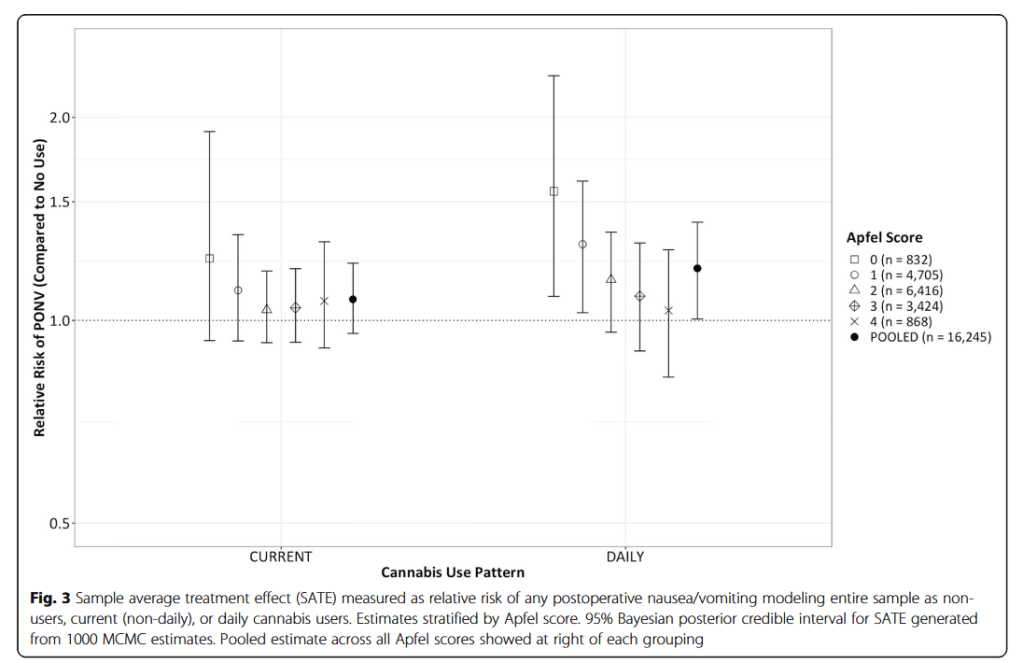
“As cannabinoid compounds have been shown to be effective treatments for chemotherapy induced nausea and vomiting (CINV), it seems reasonable to conjecture that cannabis use could exert a prophylactic or therapeutic effect for patients at risk for or suffering from postoperative nausea and vomiting (PONV). While several studies have examined the role of therapeutically administered cannabinoids in the prevention and treatment of PONV, almost nothing is known about the impact of chronic use of cannabis on the risk for developing PONV. The present investigation examines whether an association exists between patient-described use and/or frequency of cannabis and the occurrence of PONV following general anesthesia.”
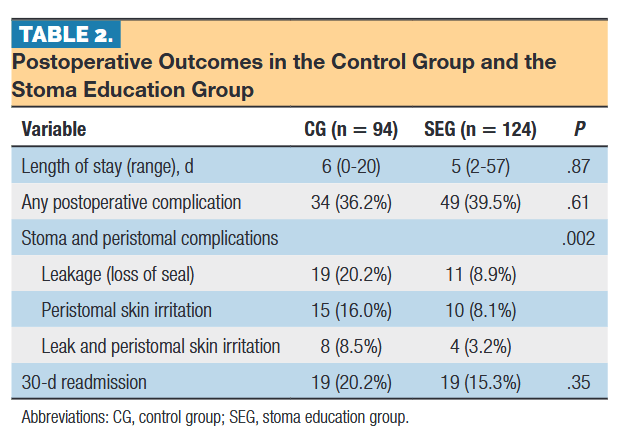
“Over the previous 2 decades, a greater emphasis has been placed on preoperative education for patients anticipated to require a new stoma as part of an upcoming surgery. Preoperative stoma site marking, in combination with education and counseling with an ostomy nurse prior to surgery, has been associated with a decrease in stomal and peristomal complications such as peristomal skin irritation and appliance leakage.”
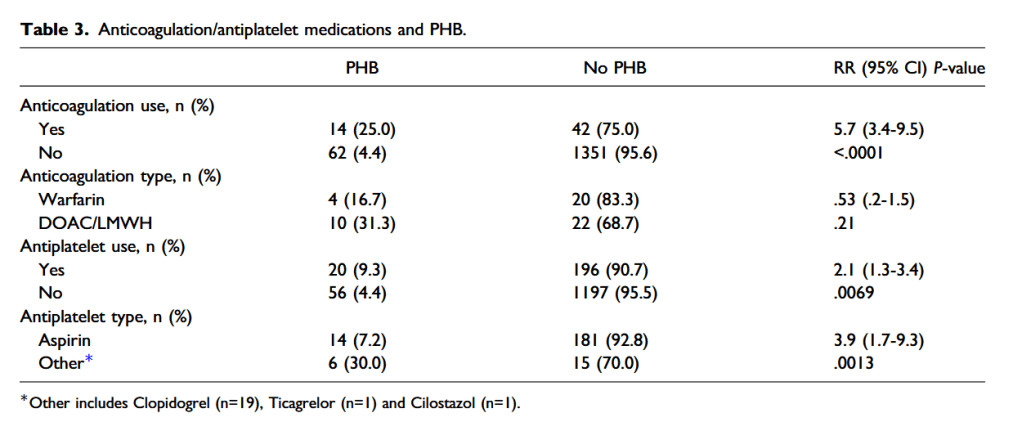
“It has been estimated that approximately 4.4% of the United States population has symptomatic hemorrhoids, contributing to as many as 2.5 million ambulatory visits annually. Excisional hemorrhoidectomy is the preferred treatment for grade 3-4 hemorrhoids and patients unresponsive to non-operative treatment. Despite being a relatively quick, outpatient procedure, one potential serious complication includes post-hemorrhoidectomy bleeding. Reported rates of this complication have varied. Studies suggest that .4-10% of hemorrhoidectomy cases will be complicated by bleeding and many requiring a second intervention.”
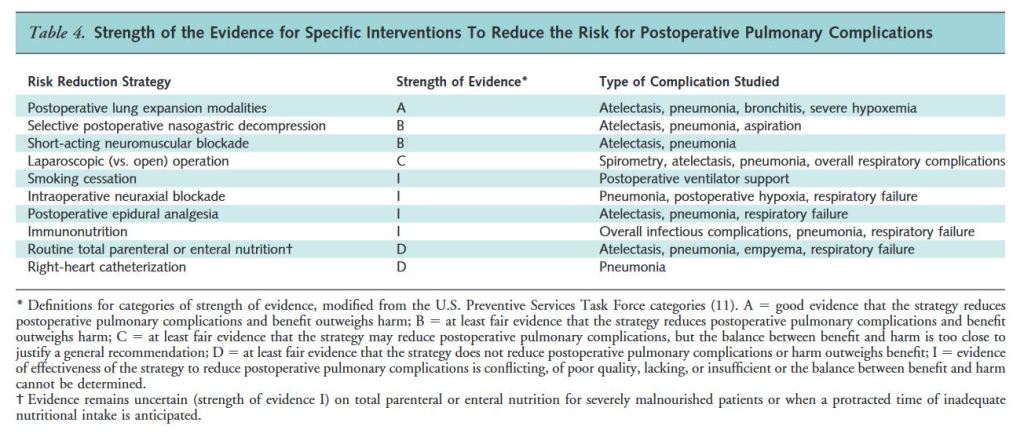
“Postoperative pulmonary complications are as common as cardiac complications for patients undergoing non-cardiothoracic surgery. Further, these complications have similar mortality rates and length of stay after elective abdominal surgery or hip fracture repair. This current systematic review synthesizes the evidence on preventive strategies and focuses on atelectasis, pneumonia, and respiratory failure.”
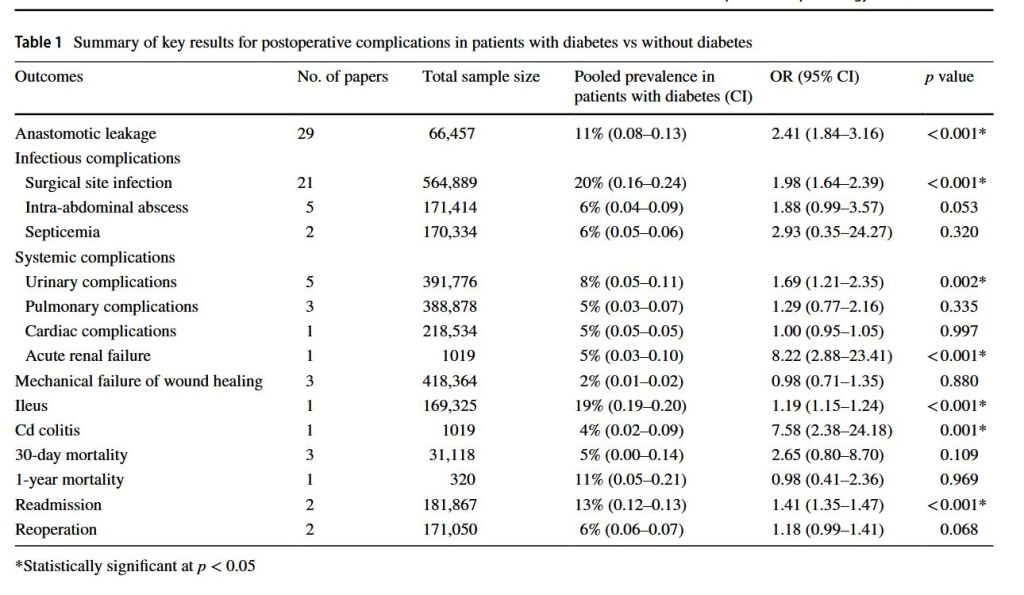
“Diabetes continues to be a significant comorbidity that needs to be accounted for during surgical planning. Furthermore, undiagnosed diabetes or ‘pre-diabetes’ results in an underestimation of the true number of patients with diabetes having colorectal surgery, with studies reporting that the true prevalence of diabetes in hospitalised patients has been understated by up to 40%. In the existing literature, poor glycemic control and hyperglycemia has been associated with impaired wound healing and increased susceptibility to infections,leading to an elevated risk of postoperative complications.”

 Surgical Focus