Management of Postoperative Complications Following Operations for Breast Cancer

At bottom of post Surgical Clinics of North America issue on postoperative complications.

“The reported complication rates after breast cancer surgery are low, with rates ranging
from 2% to 50%, and are reportedly more common when performed in conjunction with axillary surgery and immediate breast reconstruction. A breakdown by procedure type has shown morbidity rates between 5% and 50% after mastectomy and from 3% to 35% after lumpectomy with or without reconstruction.”

Hilli
Continue reading

Permanent Hypoparathyroidism After Thyroidectomy

“Hypoparathyroidism (HP) is a recognized but serious complication of thyroidectomy. Conventional techniques for parathyroid autograft (PA) occur with the insertion of parathyroid slices in muscle pockets and have a published incidence of HP of 4%–8%. The purpose of this study was to analyze the incidence of HP after thyroidectomy at our center, where we have used a modified technique for PA.”

Continue reading

Techniques for intraoperative evaluation of bowel viability inmesenteric ischemia:

“Acute mesenteric ischemia (AMI) accounts for approximately 1:1000 acute hospital admissions in the United States, and the incidence is on the rise likely due to an aging population as well as the prolonged survival of critically ill patients. AMI can be caused by a reduction in blood flow from arterial occlusion, venous occlusion, arterial vasospasm, or a low-flow state. Regardless of the etiology of the disease, rapid diagnosis and treatment of AMI is of critical importance”

Continue reading

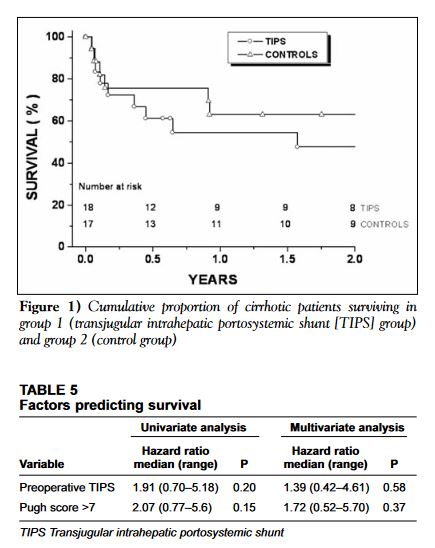
Transjugular intrahepatic portosystemic shunt before abdominal surgery in cirrhotic patients

“Abdominal surgery is occasionally needed in cirrhotic patients and is associated with high morbidity and mortality rates. It has been suggested that the main determinant of short- and long-term survival is the degree of liver failure, as evaluated by the presence of ascites, low serum albumin level and coagulation disorders. In addition, the degree of portal
hypertension may be an independent predictor for operative bleeding, postoperative ascites leakage or variceal rupture; this may also influence survival. Transjugular intrahepatic portosystemic shunt (TIPS) placement is much less invasive than surgical shunts and can be performed in patients with a significant degree of liver insufficiency. Therefore, it has been suggested that preoperative TIPS placement may improve the prognosis of cirrhotic patients, submitted to abdominal surgery.”

Continue reading

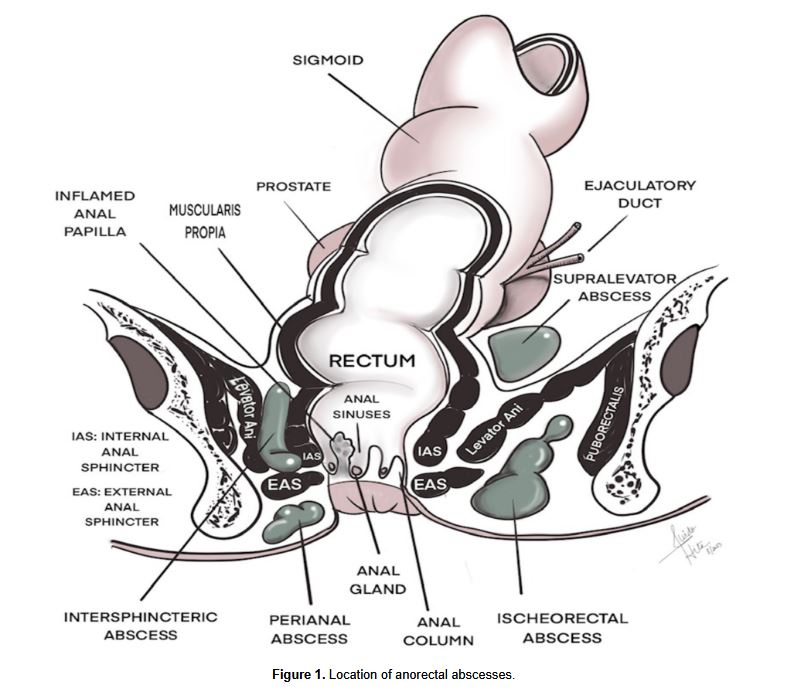
Anorectal Infections in Neutropenic Leukemia Patients

“Anorectal infections in neutropenic leukemia patients are a significant and potentially life-threatening complication. The pathogenesis of this condition is not entirely understood and believed to be multifactorial, including mucosal injury as a result of cytotoxic drugs, profound neutropenia and impaired host defense. Establishing an early diagnosis is key and often made clinically on the basis of signs and symptoms, but also from imaging studies demonstrating perianal inflammation or fluid collection. The management of anorectal infections in neutropenic leukemia patients is not straightforward, as there are no well-conducted studies on this entity.”

Continue reading

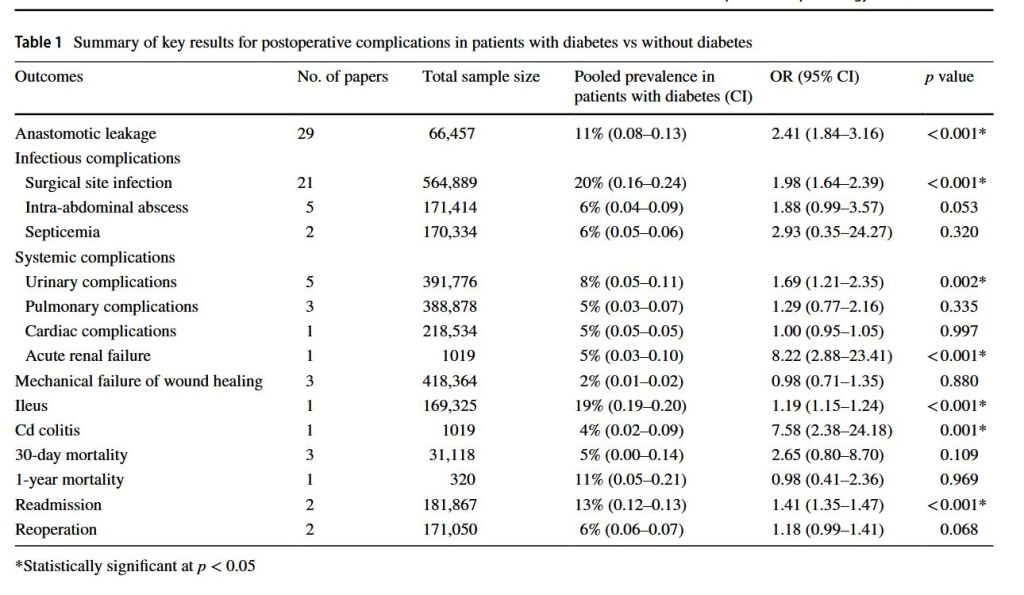
Influence of diabetes on postoperative complications following colorectal surgery

“Diabetes continues to be a significant comorbidity that needs to be accounted for during surgical planning. Furthermore, undiagnosed diabetes or ‘pre-diabetes’ results in an underestimation of the true number of patients with diabetes having colorectal
surgery, with studies reporting that the true prevalence of diabetes in hospitalised patients has been understated by up to 40%. In the existing literature, poor glycemic control and hyperglycemia has been associated with impaired wound healing and increased susceptibility to infections,leading to an elevated risk of postoperative complications.”

Continue reading

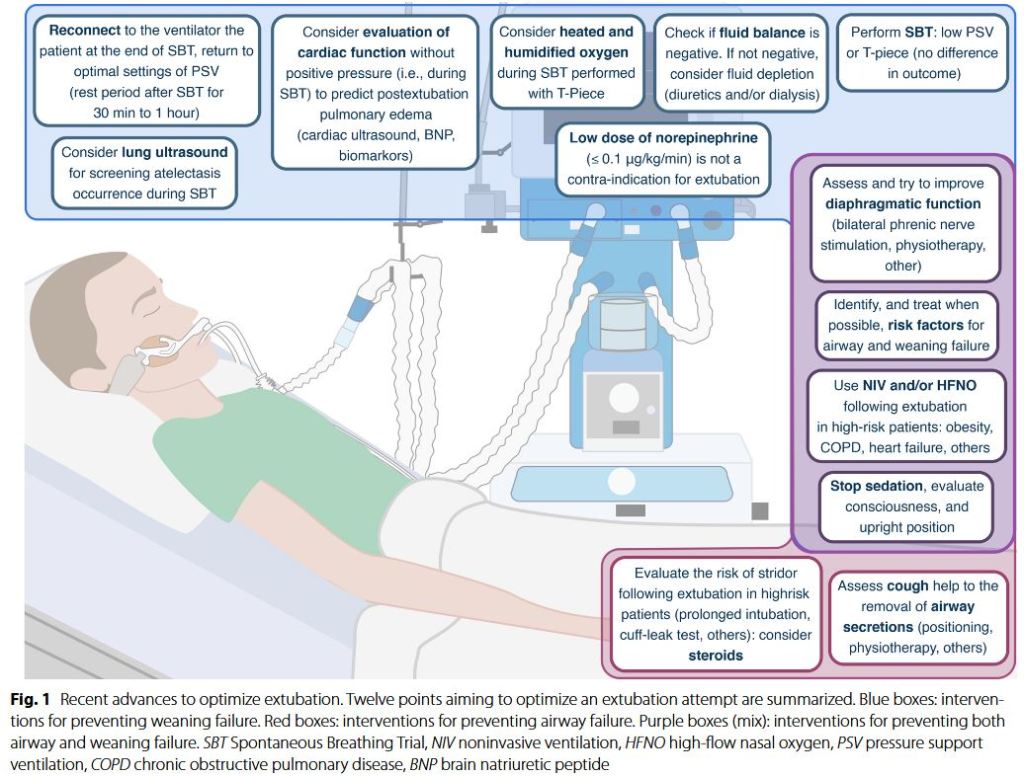
How to optimize extubation?

“Extubation failure, defined as the inability to sustain spontaneous breathing after removal of the artificial airway and need for reintubation within 24–72 h or up to 7 days, is associated with high morbidity and mortality, as well as long term disability. Many studies have attempted to identify risk factors for extubation failure in order to prevent it. Nevertheless, the incidence of extubation failure in intensive care units (ICUs) remains quite high in the literature, between 10% within 48 h and 15% within 7 days.”

Continue reading