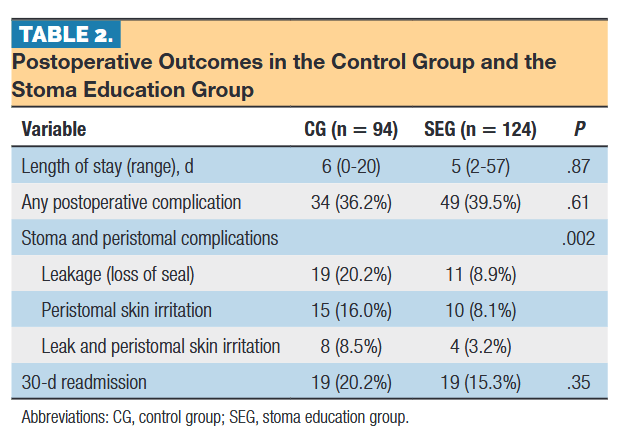
“Over the previous 2 decades, a greater emphasis has been placed on preoperative education for patients anticipated to require a new stoma as part of an upcoming surgery. Preoperative stoma site marking, in combination with education and counseling with an ostomy nurse prior to surgery, has been associated with a decrease in stomal and peristomal complications such as peristomal skin irritation and appliance leakage.”
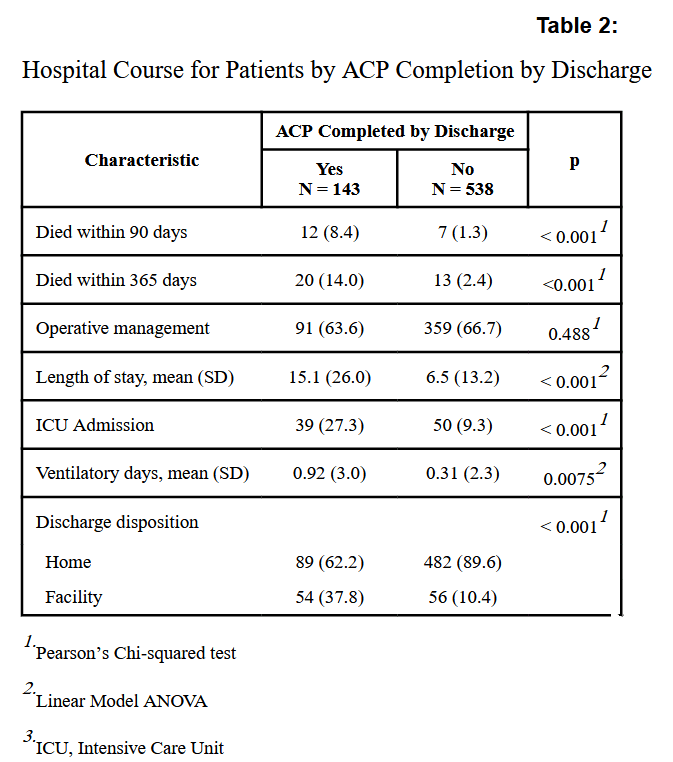
“Unanticipated changes in health status, new medical diagnoses, or worsening of previously managed conditions often precipitate the prompt to consider emergency general surgery (EGS) and make other major health-related decisions. Advance Care Planning (ACP) is the process of understanding and sharing personal values, life goals, and preferences regarding future medical care. ACP has traditionally focused on end-of-life treatment preferences (e.g., cardiopulmonary resuscitation or mechanical ventilation), but the ACP paradigm has been expanded more recently to prepare patients to communicate their medical wishes and make informed medical decisions. This expanded ACP paradigm (3, 4) seeks to elicit patients’ values about quality of life and such discussions can help align treatment intensity with patient preferences to balance short-term risks and longer-term benefits of surgery and management of post-surgical complications.”
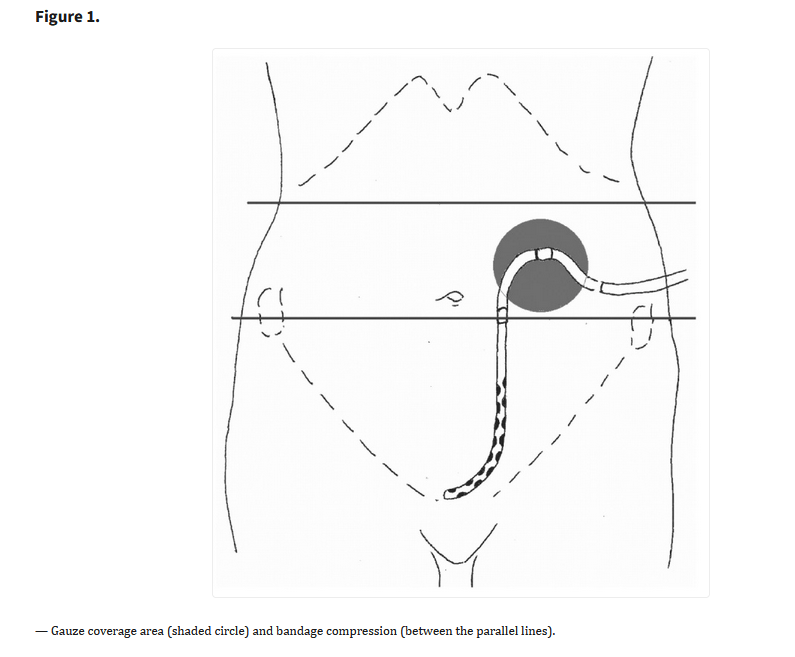
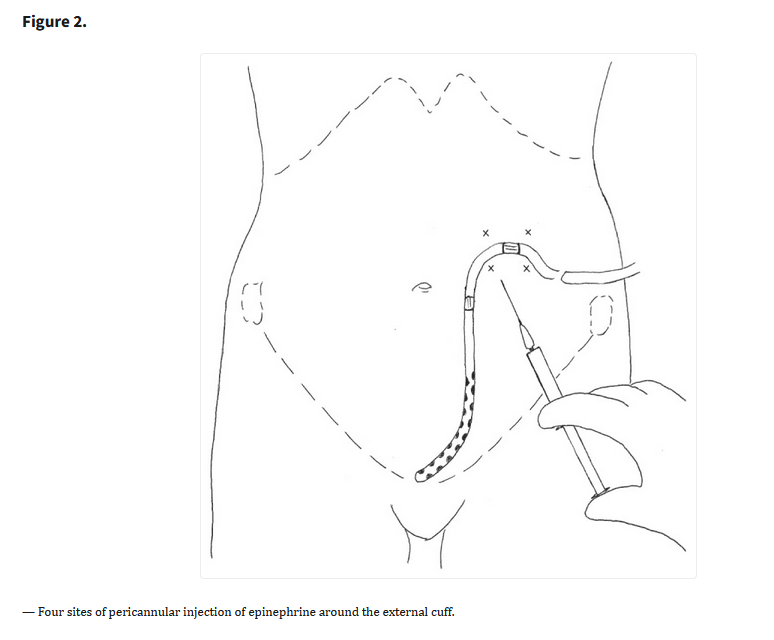
“Pericannular bleeding is a common acute complication developed within 1 month after peritoneal dialysis (PD) catheter insertion, especially in patients subjected to long subcutaneous tunneling. We designed a protocol for the management of acute postoperative pericannular bleeding. Acute pericannular bleeding is defined as the need to change the dressing more than twice daily within 2 weeks of the operation.”
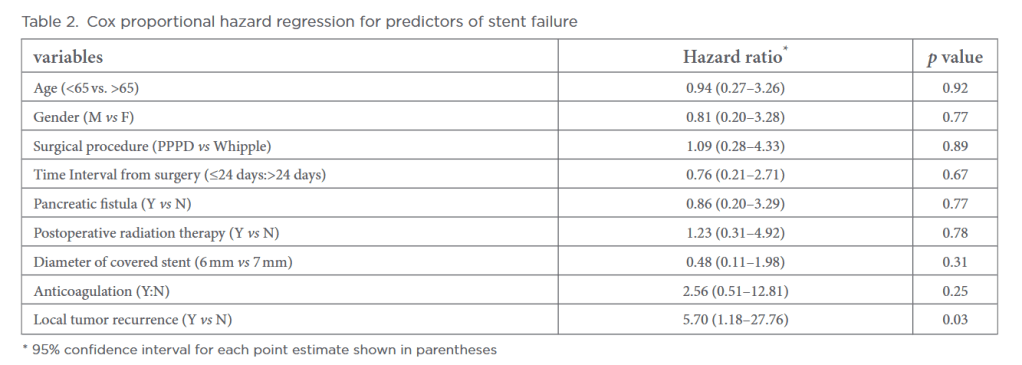
“Post- pancreaticoduodenectomy (PD) hemorrhage is a rare but fatal complication that accounts for 10–40% of post-operative mortality.1,2 In such patients, successful surgical treatment is compromised due to extensive inflammatory changes caused by recent dissections. Therefore, endovascular treatment is considered as the first line treatment especially in cases of delayed hemorrhage (occurring 24 h after surgery) from the hepatic artery (HA). Transcatheter embolization and covered stent placement are the most common endovascular techniques. However, transcatheter embolization typically involves sacrificing the major HA, which frequently causes severe hepatic ischemia or infarction.”
“Chronic intestinal failure (CIF) is a rare but feared severe complication of Crohn’s disease, with 60% of patients permanently dependent on parenteral nutrition. This review aims to summarize the knowledge available in the current literature describing recent advances in the management and treatment of adult patients with CIF, with emphasis on patients with Crohn’s disease. Moreover, it aims to further understanding of modern approaches to CIF complications such as catheter-related bloodstream infections and intestinal failure-associated liver disease.”
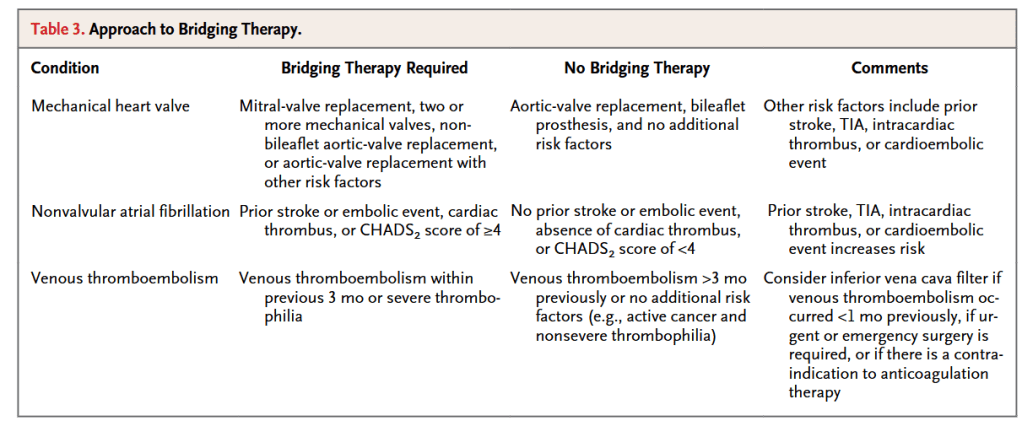
“The question of whether antithrombotic therapy should be suspended in a patient who will be undergoing an invasive procedure involves balancing the risk of postproce- dural bleeding with continued treatment against the thrombotic risk with suspension of treatment and use of bridging anticoagulation therapy. In general, a patient under- going a procedure that is associated with a low risk of bleeding (low-risk procedure) can safely continue antithrombotic therapy and should do so, particularly if the pa- tient is at high risk for a thromboembolic event (high-risk patient). Conversely, a pa- tient undergoing a high-risk procedure can temporarily discontinue antithrombotic agents safely if the patient is at low risk for a thromboembolic event (low-risk patient).”
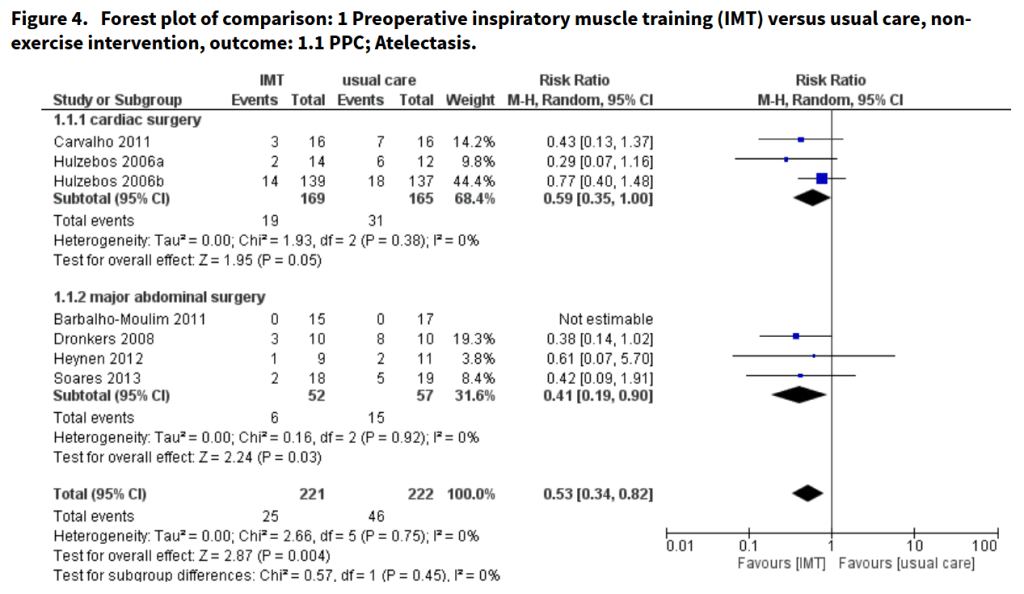
“Despite advances in perioperative care in the last few decades, postoperative pulmonary complications (PPCs) are probably the leading cause of morbidity and mortality in adults undergoing chest and abdominal surgery. PPCs and cardiac complications are commonly regarded as the two major causes of perioperative problems in selected groups of patients undergoing these high-risk surgical procedures. However, PPCs are more common than postoperative cardiac complications and play a bigger role in mortality and healthcare costs. Despite these factors, the natural history of PPCs and the necessity of preventive strategies have not been well recognized in studies to date.”