Negative Pressure Wound Therapy Use to Decrease Surgical Nosocomial Events in Colorectal Resections

“Surgical site infection (SSI) is one of the most common complications following open colon and rectal surgery. Significant morbidity—secondary to increased length of stay, delay in adjuvant treatments, and psychosocial effects—has been well established in the literature. Further, SSIs confer additional monetary costs to the healthcare system.6 Despite best practice recommendations including prophylactic antibiotics and aseptic technique, SSIs remain common in open colorectal surgery. Rates of SSI in the literature range between 15
and 30%. Increased use of laparoscopy in colorectal surgery has significantly impacted rates of SSI but the uptake of laparoscopy has not been complete as certain patients are not candidates and conversion to open is required in approximately 15% of cases.”
Continue reading

Negative Pressure Wound Therapy for Surgical-site Infection

“Despite improvement in infection control, SSIs remain a common cause of morbidity after abdominal surgery. SSI has been associated with an increased risk of reoperation, prolonged hospitalization, readmission, and higher costs. Recent retrospective studies have suggested that the use of negative pressure wound therapy can potentially prevent this complication.”

Continue reading

Using negative pressure wound therapy devices to decrease the incidence of infrainguinal wound infections

Surgical site infection (SSI) is a well-characterized morbidity after vascular surgical procedures, especially after infrainguinal and lower extremity bypass. Rates of SSI after these interventions range from 4.8% to 38.5%, which is higher than predicted for “clean” (type I/II) wounds (2%-6%). SSI rates are increased because of the proximity of wounds to the perineum and genitalia, use of prosthetic materials, and disruption of lymphatic vessels during groin incisions; most are attributable to inoculation by skin flora or direct bacterial
spread at the time of initial operation.

Continue reading

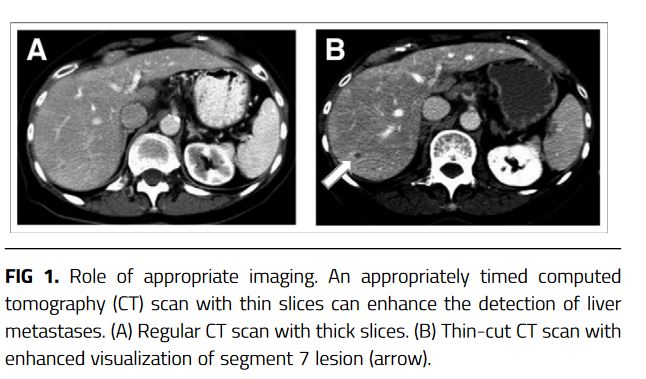
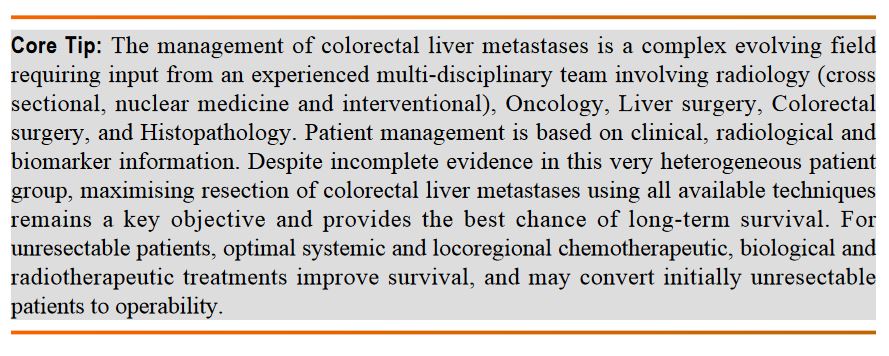
Surgical Management of Liver Metastases From Colorectal Cancer

“Surgical resection remains one of the major curative treatment options available to patients
with colorectal liver metastases. Surgery and chemotherapy form the backbone of the
treatment in patients with colorectal liver metastases. With more effective chemotherapy
regimens being available, the optimal timing and sequencing of treatments are important. A
multidisciplinary approach with the involvement of medical oncologists and surgical
oncologists from the beginning is crucial.”

Continue reading

Colorectal liver metastases

“Colorectal cancer (CRC) represents a major worldwide health care burden, as the
second most common cancer diagnosed in women and third most common in men,
and accounting for 10% of all annually diagnosed cancers and cancer-related deaths
worldwide.
As result of improvements in detection through screening, better referral
pathways, centralisation of services, effective primary surgery, development of
systemic chemotherapy, biological agents, and understanding of tumour biology,
survival rates following diagnosis have improved.
Nevertheless, at least 25%-50% of patients with CRC develop colorectal liver
metastases (CRLM) during the course of their illness.”

Continue reading

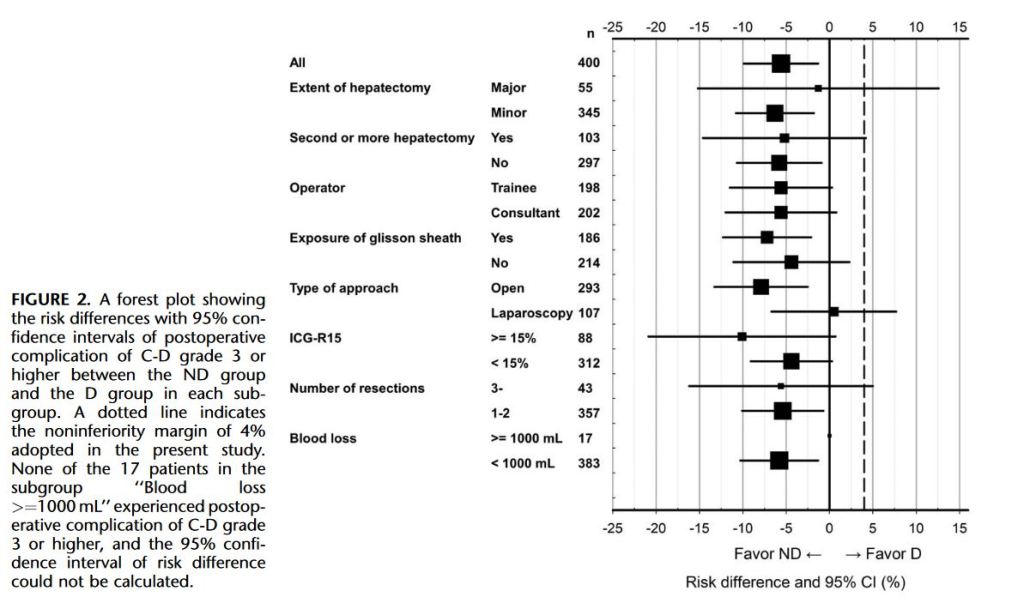
Drain Placement After Uncomplicated Hepatic Resection Increases Severe Postoperative Complication Rate

“Advances in surgical techniques and perioperative management over the last 2–3 decades have enabled the safe performance of hepatic resections. In the 1980s, when the perioperative mortality was reported to be as high as around 10%, drain placement was
considered to be necessary so as to provide information about intraabdominal adverse events promptly and for prophylactic drainage. However, as the necessity of drain placement in other surgical fields has been ruled out and as the incidence of life-threatening adverse
events after hepatic resection decreased, several randomized controlled trials (RCTs) were performed; the conclusions of these trials were that drain placement was not necessary. However, some of them lacked a primary endpoint and calculation of sample size; in
the other studies, the primary endpoint was the incidence of wound-related complication, most of which could be resolved using antibiotics or bed-side opening of the wound, corresponding to Clavien-Dindo (C-D) grade 11 2 or even 1.”

Continue reading

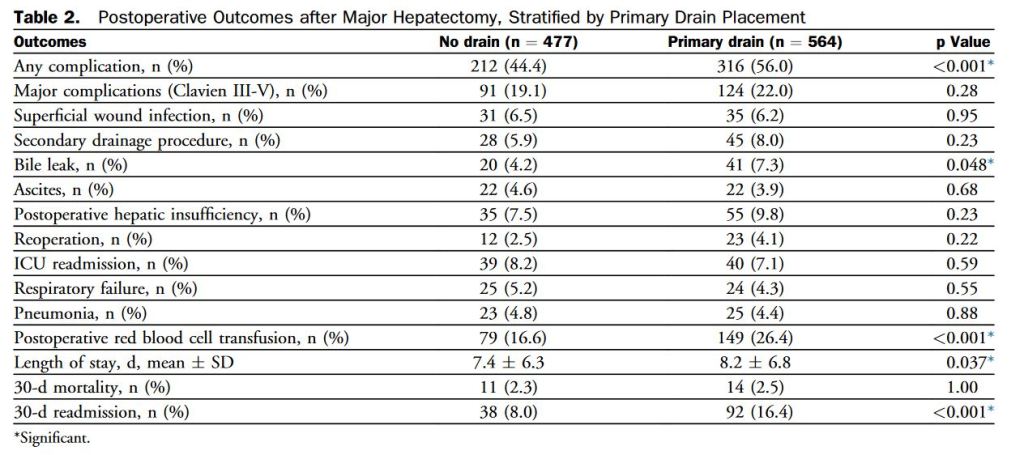
Value of primary operative drain placement after major hepatectomy

“Historically, prophylactic intraoperative peritoneal drain placement has been advocated after hepatectomy in order to identify and drain bile leaks and decrease the risk of potential perihepatic fluid collections and abscess formation postoperatively. Several small randomized trials have suggested, however, that routine abdominal drainage after elective liver resection may not be necessary.”

Continue reading