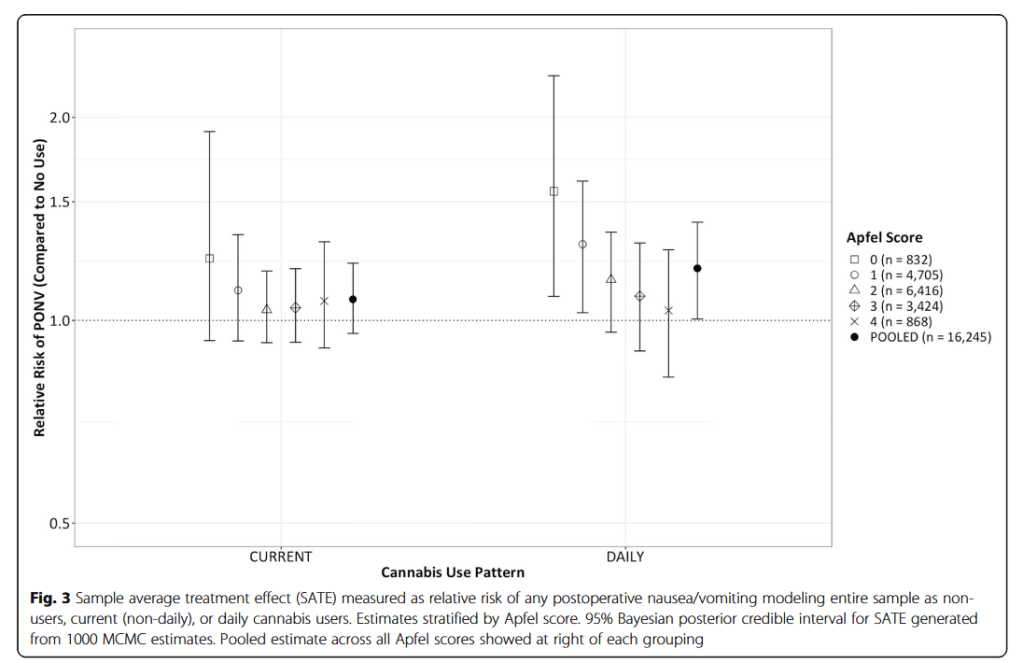
Cannabis use is associated with a small increase in the risk of postoperative nausea and vomiting

“As cannabinoid compounds have been shown to be effective treatments for chemotherapy induced nausea and vomiting (CINV), it seems reasonable to conjecture that cannabis use could exert a prophylactic or therapeutic effect for patients at risk for or suffering from postoperative nausea and vomiting (PONV). While several studies have examined the role of therapeutically administered cannabinoids in the prevention and treatment of PONV, almost nothing is known about the impact of chronic use of cannabis on the risk for developing PONV. The present investigation examines whether an association exists between patient-described use and/or frequency of cannabis and the occurrence of PONV following general anesthesia.”
Continue reading

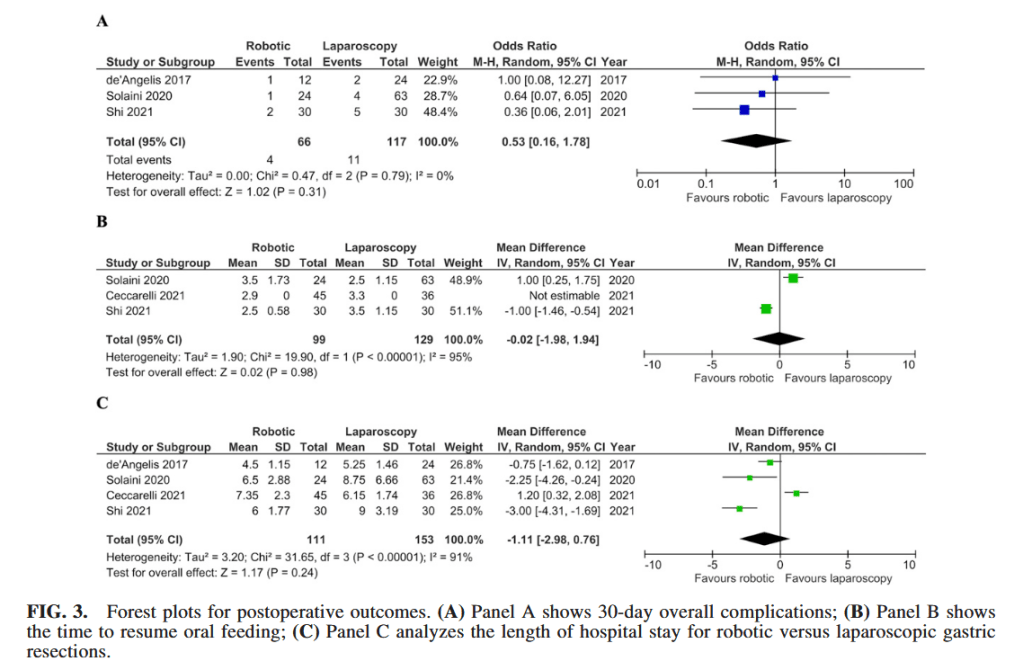
Gastrointestinal Stromal Tumors of the Stomach: Is There Any Advantage of Robotic Resections?

“Gastrointestinal stromal tumors (GISTs) are the most common mesenchymal neoplasms of the digestive system. They account for less than 3% of all gastrointestinal malignancies, with an annual incidence rate estimated at 10–20 cases per million population in the United States. The most frequent anatomical location is the stomach (approximately 60% of cases). Although the introduction of tyrosine kinase inhibitors has changed the therapeutic algorithm of GISTs, surgical resection with negative margins remains the main treatment option for localized resectable tumors.”

Continue reading

Laparoscopic entry techniques

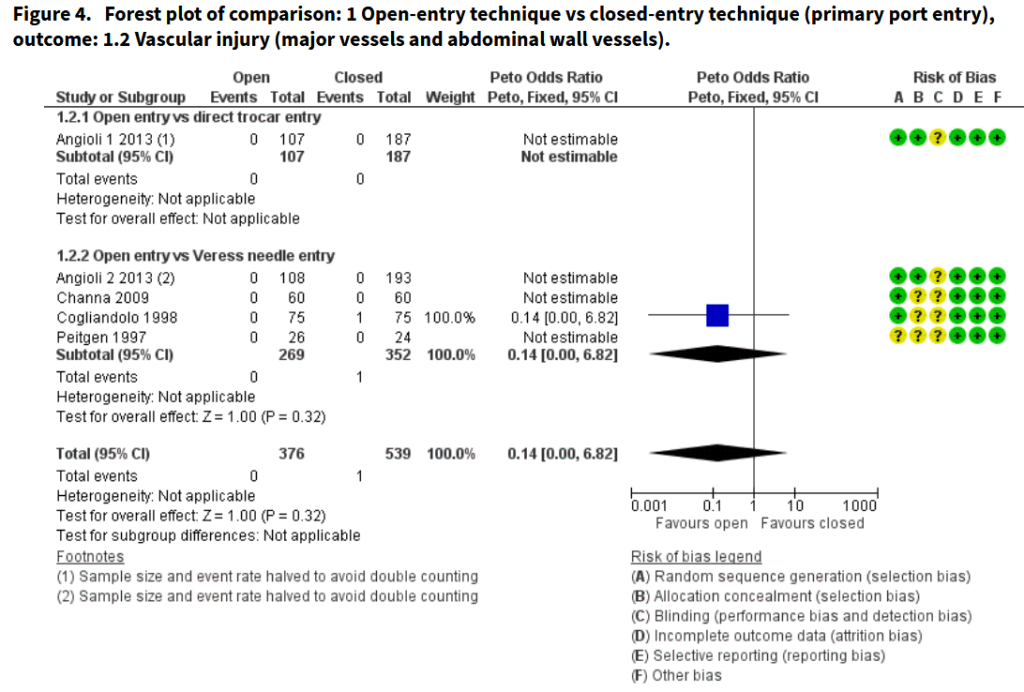
“Laparoscopy is a surgical procedure commonly used in gynaecology whereby a laparoscope is used to gain intra-abdominal access via less extensive incisions. Evidence suggests that laparoscopy provides significant benefits compared to laparotomy in terms of surgical outcomes for patients and costs for healthcare providers. Unlike in conventional open surgery, the surgeon is usually unable to visualise the initial entry into the peritoneal cavity. Most laparoscopic complications occur during the initial entry. These may happen
at several stages including Veress needle insertion, creation of a pneumoperitoneum, and primary trocar insertion. Opinion is divided as to the safest entry technique, and clinical practice is varied. Although gynaecologists commonly use a closed method of entry, other surgical specialties routinely use open methods of entry.”

Continue reading

The Importance of Abdominal Wall Closure After DefinitiveSurgery for Enterocutaneous Fistula

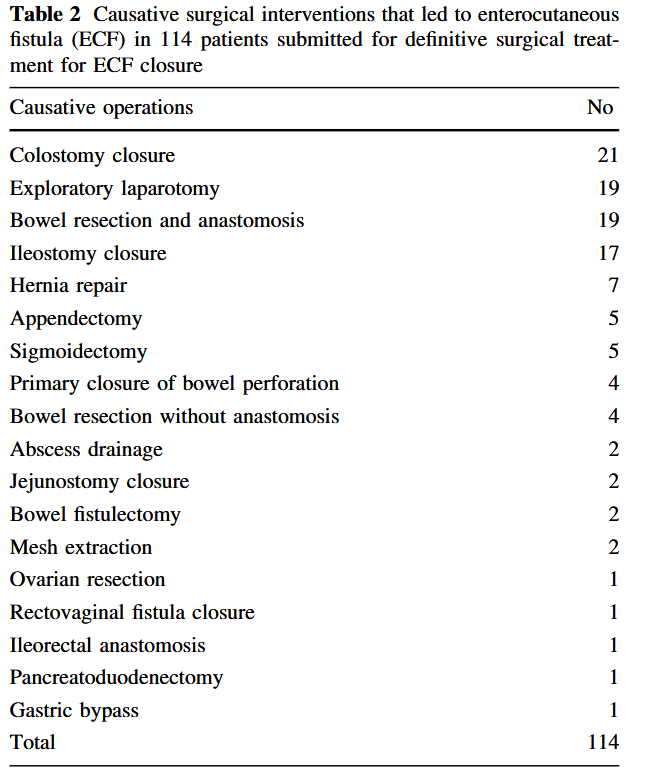
“In the case of enterocutaneous fistula (ECF) initial medical therapy aims to stabilize the patient, optimize the nutritional status and control of infections and fistula output. When surgery is required, extensive adhesiolysis, bowel resection and anastomosis along with abdominal wall reconstruction are necessary. The primary endpoint in patients undergoing surgical treatment with ECF as well as in the case of intestinal stomas, is to solve the intestinal defect, thus leaving in secondary terms other problems such as ventral hernias.
The simultaneous treatment of fistula/stoma closure with abdominal wall defect closure has been widely debated since some argue that the risk of complications such as anastomotic leakage is increased due to prolonged surgery and anesthetic time. However, various studies are reporting good results in patients undergoing simultaneous stoma with giant wall defect correction surgery, without increased risks and rates of complications.”

Continue reading

Adult intussusception. Determining the appropriate surgical procedure.

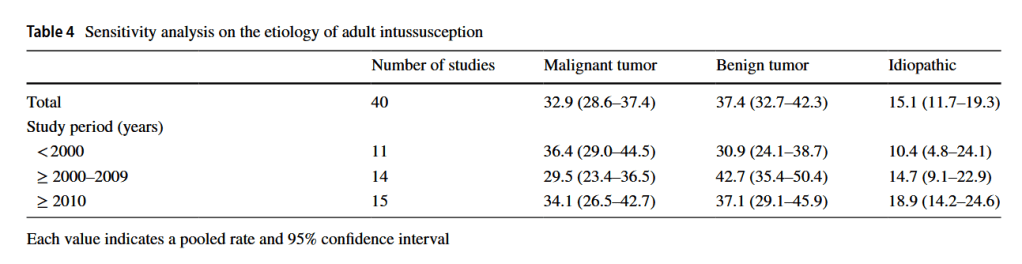
“Although surgery is the recommended treatment for adult intussusception, the optimal surgery remains controversial. Although abdominal computed tomography (CT) scan has
proven useful in diagnosing intussusception, it has limited value in discriminating whether a lead point is malignant, benign, or idiopathic. Reduction at surgery may avoid excessive bowel resection, although it can theoretically increase the risk of potential intraluminal seeding or venous tumor dissemination.
The aim of this study was to determine what the appropriate surgical procedure for adult intussusception is, depending on location of the intussusception or other specific situations.”

Continue reading

Subtotal Cholecystectomye“Fenestrating” vs“Reconstituting” Subtypes and the Prevention ofBile Duct Injury

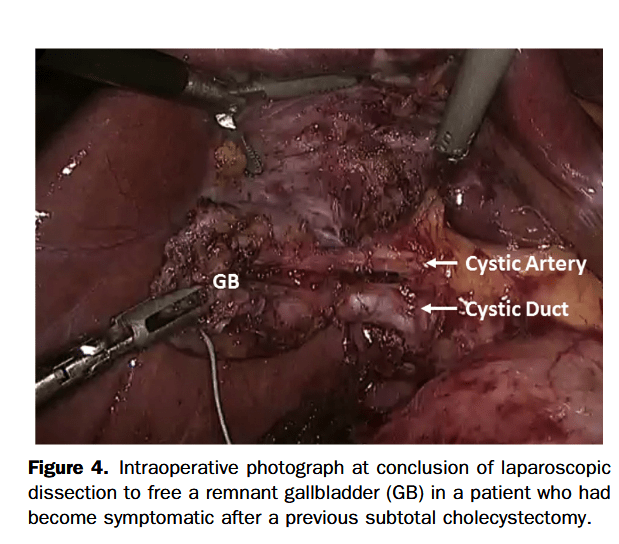
“Laparoscopic cholecystectomy is a well-established procedure with clear benefits for patients over open cholecystectomy. However, it is associated with an increased rate of
bile duct injury. Biliary injuries occur more commonly when operations are made more difficult due to the presence of severe acute and/or chronic inflammation. Under these conditions, secure ductal identification by the critical view of safety (CVS) may be very challenging because CVS requires clearing of the inflamed hepatocystic triangle in
order to demonstrate the cystic duct, cystic artery, and the cystic plate. It is a rigorous method, but as we have previously stressed, this is actually one of the strengths of the
CVS method of identification. The infundibular technique, in which the funnel-shaped infundibular-cystic duct junction is the rationale for identification, is much easier to achieve than CVS.”

Continue reading

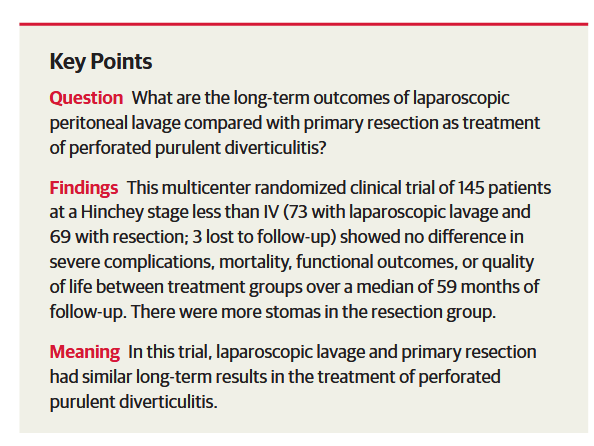
Laparoscopic Lavage vs Primary Resection for Acute Perforated Diverticulitis

“Acute perforated diverticulitis with peritonitis is a feared complication of diverticular disease. The incidence in Western countries is estimated to be 1.85 per 100 000 population per year for purulent peritonitis. Even with optimal treatment, perforated diverticulitis has a high morbidity and mortality. Traditionally, the standard treatment has been emergency surgery with resection of the diseased bowel, often with colostomy creation. Studies have indicated that laparoscopic lavage with drainage and antibiotics might be a treatment option in perforated diverticulitis. So far, 3 European randomized clinical trials have shown somewhat different results, and no clear advantages have been demonstrated with laparoscopic lavage, except a lower stoma rate at 1-year follow-up. Nine meta-analyses and systematic reviews of the short-term and 1-year results of these trials have been published in the last 4 years, with divergent conclusions. No long-term results on laparoscopic lavage have yet been published.”

Continue reading