Outcome of ligation of the inferior vena cava in the modern era

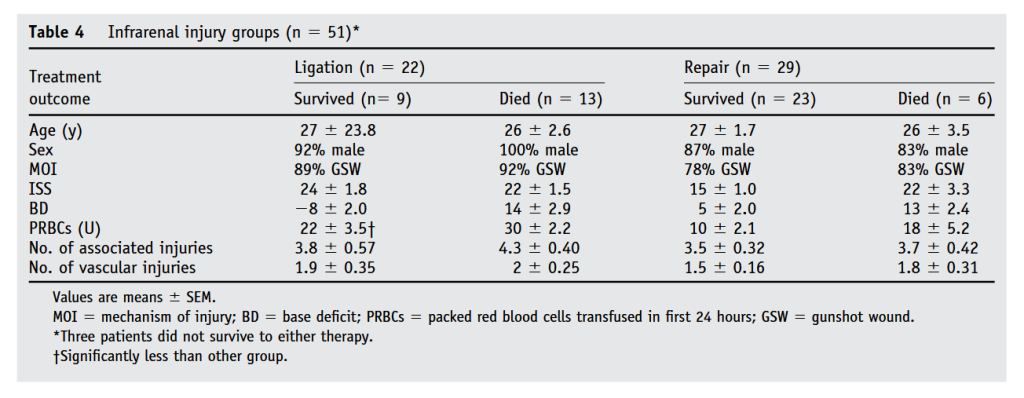
“Injury to the inferior vena cava (IVC) is a relatively rare event occurring more commonly after penetrating trauma (.5%–5%) than after blunt trauma (.6%–1%). The incidence of IVC injuries, however, has been increasing in civilian trauma centers, with these injuries accounting for up to 40% of abdominal vascular injuries in recent series.
Because of the increasing frequency and persistently high mortality associated with these injuries, perioperative management of the IVC remains a focus of interest. Indeed, while ligation of the significantly injured IVC is an acceptable practice in the era of damage control surgery, little long-term follow-up data are available in survivors of this technique.”

Continue reading

Management and Morbidity of Major Pelvic Hemorrhage in Complex Abdominopelvic Surgery

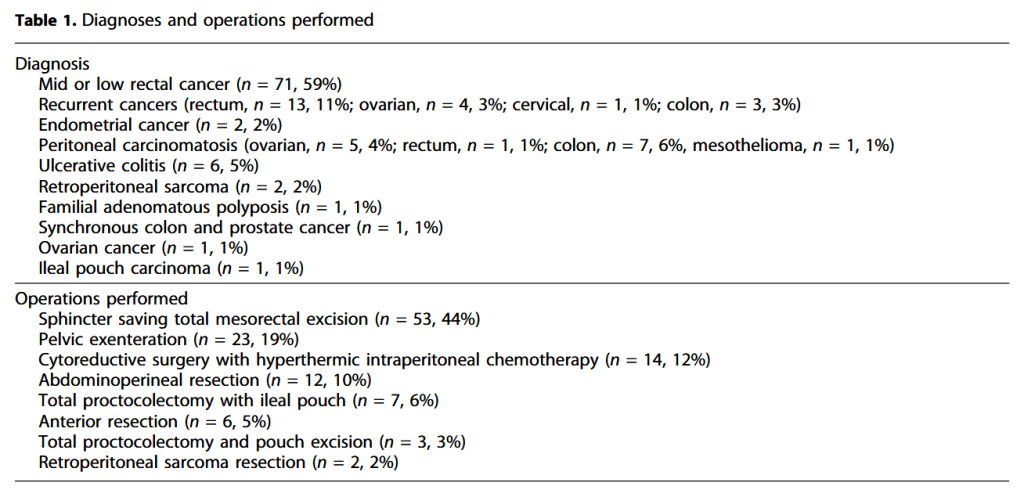
“Complex abdominopelvic surgery (CAPS) includes a wide variety of difficulties related to primary disease and hostile intrapelvic environment. Any radical abdominopelvic operation which is not standardized is complex. Hence, radical oncologic operations for the primary advanced or recurrent carcinoma of pelvic organs, revisional operations for failed restorative operations for maintaining intestinal continuity are considered as CAPS.”

Continue reading

Primary versus Flap Closure of Perineal Defects following Oncologic Resection

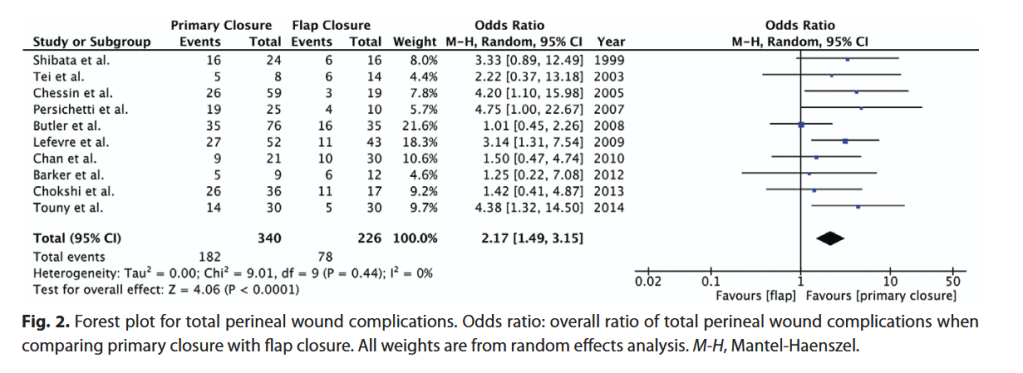
“Abdominoperineal resection and pelvic exenteration for resection of malignancies can lead to large perineal defects with significant surgical-site morbidity. Myocutaneous flaps have been proposed in place of primary closure to improve wound healing. A systematic review was conducted to compare primary closure with myocutaneous flap reconstruction of perineal defects following abdominoperineal resection or pelvic exenteration with regard to
surgical-site complications.”

Continue reading

Surgical technique in constructing the jejunojejunostomy and the riskof small bowel obstruction after Roux-en-Y gastric bypass

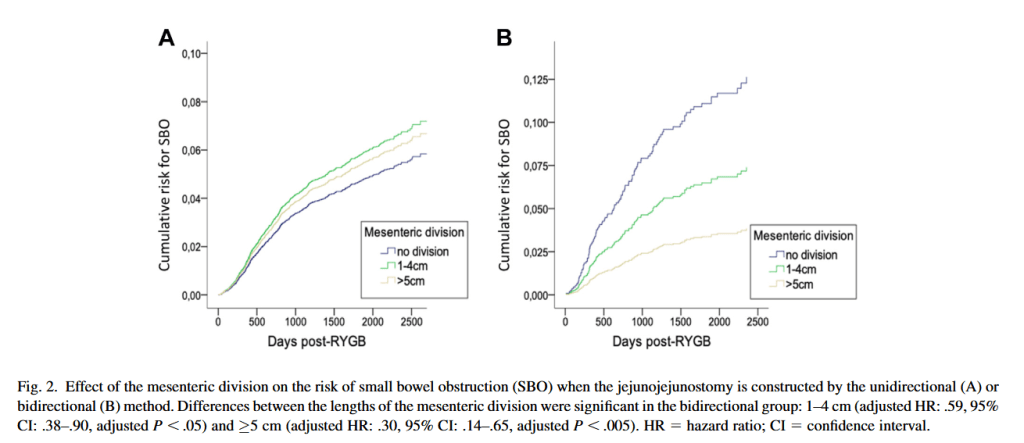
“Laparoscopic Roux-en-Y gastric bypass (RYGB) surgery is an effective bariatric procedure with excellent outcomes in terms of weight loss and reducing co-morbidities. Large series have demonstrated that the procedure can be performed with low postoperative morbidity and very low mortality. However, concerns have been raised about long-term complications, especially small bowel obstruction (SBO).
In Sweden, RYGB is almost exclusively performed laparoscopically using the antecolic, antegastric Gothenburg technique. Since the technique was first described, alterations have been introduced to reduce the risk of internal herniation, but these modifications have been reported to increase the risk of kinking of the jejunojejunostomy (JJ). Our group has previously demonstrated that diagnostic laparoscopy in RYGB patients suffering from postprandial symptoms often reveals surgically correctable dysfunction/kinking at the JJ.”

Continue reading

Complications of Jejunostomy Feeding Tubes

“To help mitigate the perioperative risks of poor nutrition status, nutritional interventions via either parenteral or enteral techniques are available. For these reasons, especially in the
setting of foregut reconstruction and planned return to oncology therapy, our bias has been the use of postoperative jejunal feeding tube access in our surgical oncology population in
high-risk and nutritionally depleted patients. Jejunostomy feeding tubes are not without complication, however, with high reported rates of tube dysfunction. Jejunostomy tubes
can be easily dislodged, have imperfect seals at wound exit sites leading to leakage, and can be somewhat cumbersome for patients and caregivers to maintain. Some authors have
begun to advocate for the selective placement of jejunostomy tubes following gastric and esophageal resections.”

Continue reading

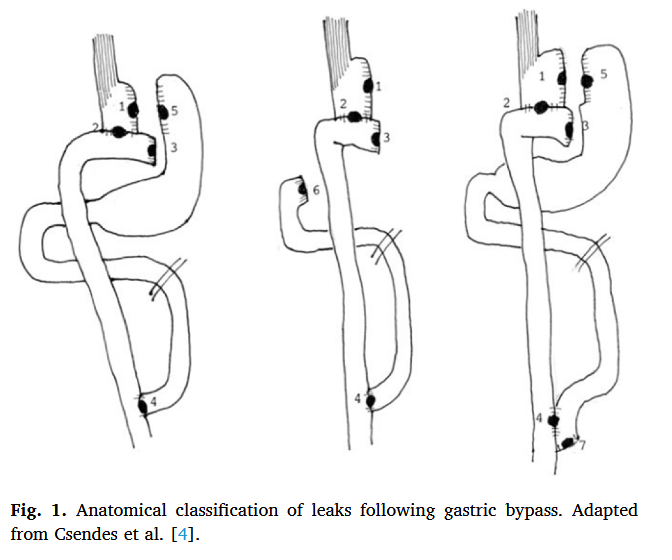
Management of leakage and fistulas after bariatric surgery

“Leaks and fistulas are among the most feared complications of bariatric surgery. Variable in presentation, acuity, and severity, these often require multimodal and multispecialty management strategies for optimal outcomes. Recent advancements in the realm of endoscopic therapies have made these integral to the treatment algorithm of post-operative leaks and fistulas. In this review, we will discuss the epidemiology, pathophysiology and classification of post-bariatric surgery defects and provide an in-depth assessment of current management strategies, with a focus on endoscopic therapies.”

Continue reading

Preoperative inspiratory muscle training for postoperative pulmonary complications in adults undergoing cardiac and major abdominal surgery

“Despite advances in perioperative care in the last few decades, postoperative pulmonary complications (PPCs) are probably the leading cause of morbidity and mortality in adults undergoing chest and abdominal surgery. PPCs and cardiac complications are commonly regarded as the two major causes of perioperative problems in selected groups of patients undergoing these high-risk surgical procedures. However, PPCs are more common than postoperative cardiac complications and play a bigger role in mortality and healthcare costs. Despite these factors, the natural history of PPCs and the necessity of preventive strategies have not been well recognized in studies to date.”

Continue reading