Surgical Treatment of Enterocutaneous Fistula

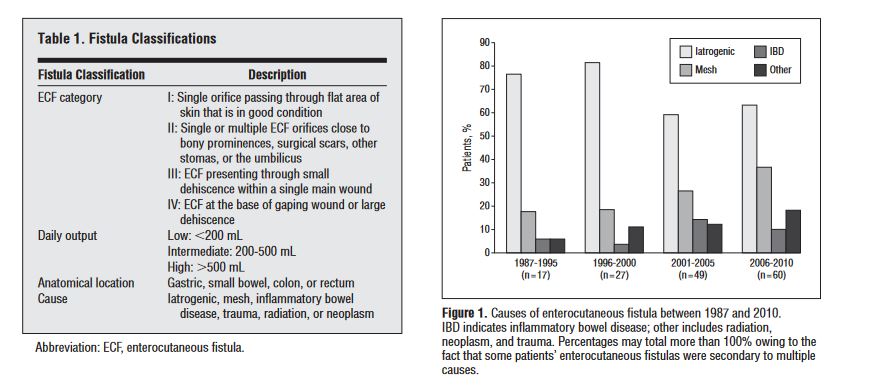
“Enterocutaneous Fistula (ECF) is defined as an abnormal connection between the gastrointestinal tract and the skin, and it requires labor-intensive medical management and surgical expertise. Complex wound management, severe malnutrition, frequent infectious complications, chronic pain, and depression require significant investment of health care resources and make the short-term and long-term care of these patients difficult.”
Continue reading

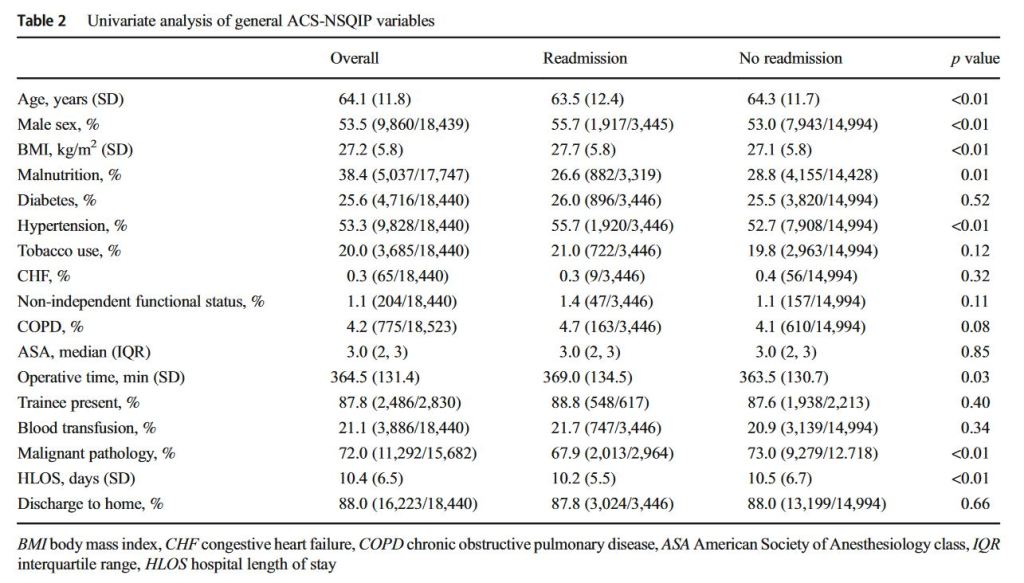
Predictors of Short-Term Readmission After Pancreaticoduodenectomy

“Readmissions are a common complication after pancreaticoduodenectomy and are increasingly being used as a performance metric affecting quality assessment, public reporting, and reimbursement. This study aims to identify general and pancreatectomy-specific factors contributing to 30-day readmission after pancreaticoduodenectomy, and determine the additive value of incorporating pancreatectomy-specific factors into a large national dataset.”
“Large registry analyses of pancreatectomy outcomes are markedly improved by the incorporation of granular procedure-specific data. These data emphasize the need for prevention and careful management of perioperative infectious complications, fluid management, thromboprophylaxis, and pancreatic fistulae.”

Continue reading

Clinical Practice Update on Management of Ostomies

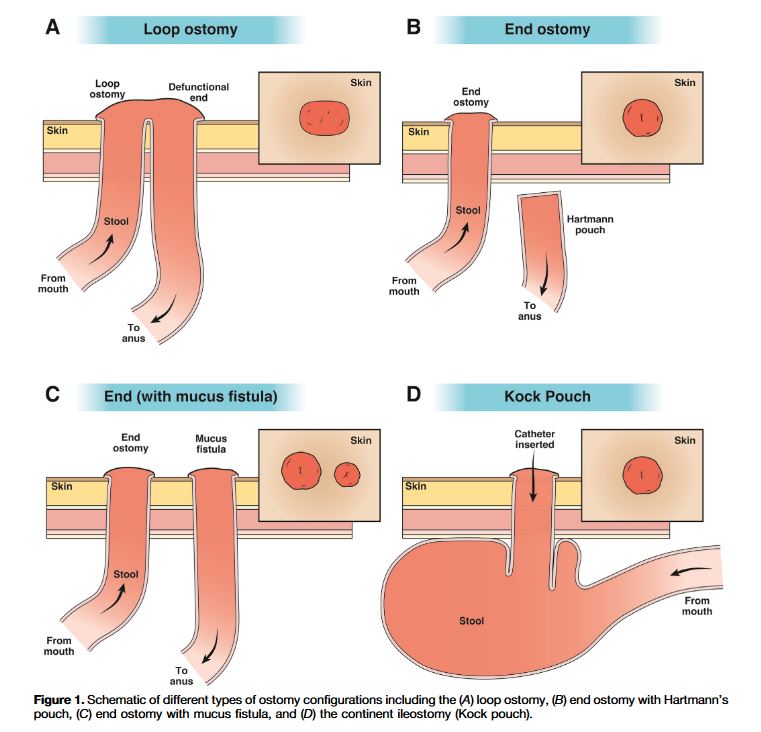
“Enteral ostomies are common in the management of patients with gastrointestinal conditions, including colorectal cancer (CRC), inflammatory bowel disease (IBD), diverticular disease, intestinal trauma, and intestinal perforation. An estimated 750,000 Americans live with an ostomy and 130,000 new ostomy surgeries occur in the United States annually. People with ostomies often face postsurgical complications and challenges to daily self-care. Studies have suggested that adequate stomal care improves clinical outcomes and reduces hospitalizations. However, little guidance exists to support clinicians in managing patients with an ostomy beyond the immediate perioperative period.”

Continue reading

Management of enterocutaneous fistulas

Owen RM, Love TP, Perez SD, Srinivasan JK, Sharma J, Pollock JD, Haack CI, Sweeney JF, Galloway JR. Definitive surgical treatment of enterocutaneous fistula: outcomes of a 23-year experience. JAMA Surg. 2013 Feb;148(2):118-26.

Full-text for Emory users.

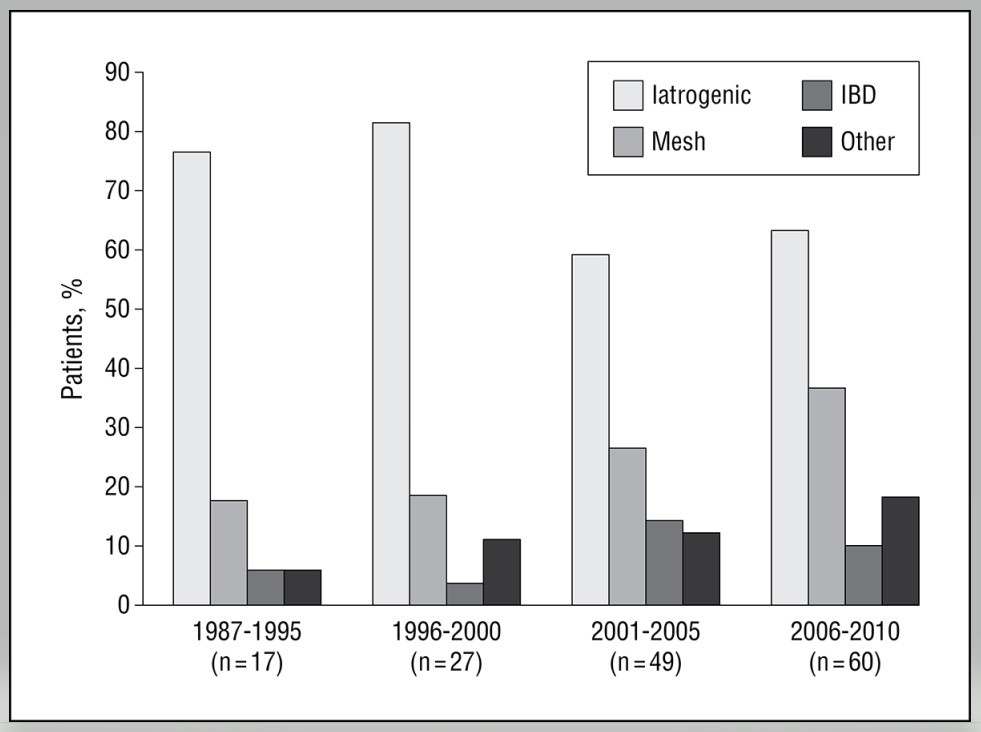
Figure 1. Causes of enterocutaneous fistula between 1987 and 2010. IBD indicates inflammatory bowel disease; other includes radiation, neoplasm, and trauma. Percentages may total more than 100% owing to the fact that some patients’ ECFs were secondary to multiple causes.

Continue reading

Challenges of Endoscopic Vacuum Therapy of Upper Gastrointestinal Anastomotic Leaks

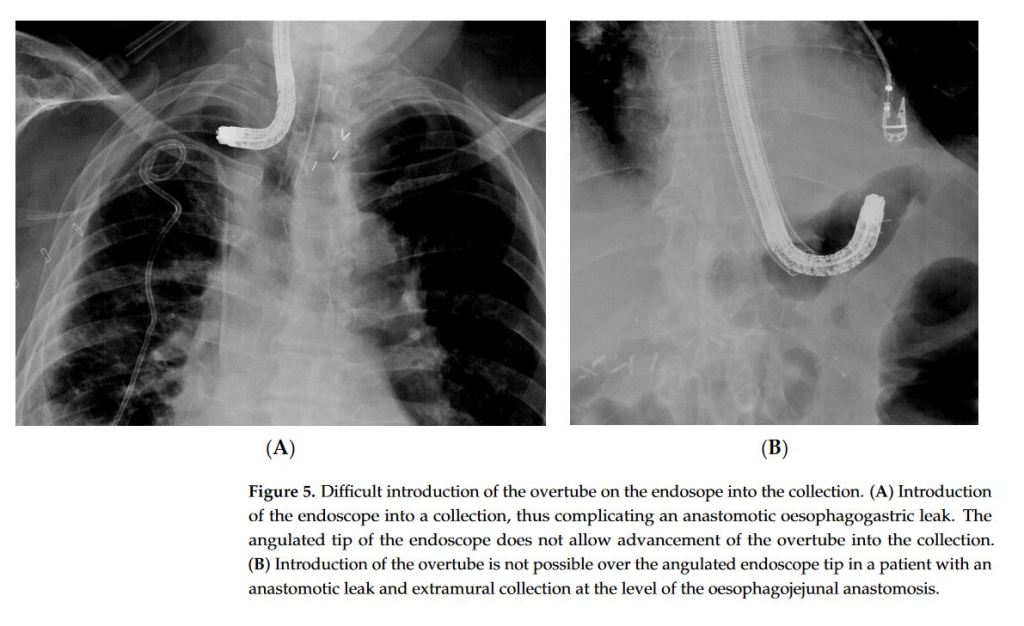
Anastomotic leaks after digestive surgery have an important impact on surgical outcome. They represent a real therapeutic challenge because of the high morbidity and mortality rates. Multiple treatment options exist, often combining interventional radiology and endoscopy and even redo surgery. To improve patient outcomes, it is of the utmost importance to provide an individualized patient-tailored treatment plan after multidisciplinary discussion. EVT is nowadays recognized as an effective and useful endoscopic approach to treat leaks or perforations in both the upper and lower gastrointestinal tract. Moreover, it has become one of the most effective treatment options overall with a very good safety profile. However, it is a time-consuming endeavour requiring engagement from the endoscopist and understanding from the patient.

Supplementary Materials: The following supporting information can be downloaded at: https:
//www.mdpi.com/article/10.3390/life13061412/s1
, Video S1: Procedure of EVT in a patient with anastomotic leak after oesophagectomy.

Continue reading

Prophylactic angiographic embolisation after endoscopic control of bleeding

“Acute upper gastrointestinal bleeding (AUGIB) is one of the most common emergencies in gastroenterology. Despite major improvements in its management, AUGIB continues to be associated with significant morbidity and mortality. Bleeding peptic ulcers are one of the principal causes of AUGIB. Endoscopic therapy to bleeding ulcers reduces further bleeding and improves patients’ outcomes.”

Continue reading

Prophylactic arterial embolization in patients with bleeding peptic ulcers

“Upper gastrointestinal bleeding is a common emergency in people. With a hospitalization rate of 67 per 100,000 in the USA and an in-hospital mortality of 1.9 per 100 cases, it is a severe condition. The most common cause of upper gastrointestinal bleeding is a peptic ulcer in the stomach or duodenum. The aetiology of peptic ulcers is complex, but known risk factors for complications of peptic ulcers are Helicobacter pylori infection, and the use of non-steroidal anti-inflammatory drugs (NSAIDs). The definition of a peptic ulcer is a loss of tissue from the mucosa. The bleeding is often from the arteries in the submucosa or tunica muscularis, but there can be erosions of larger arteries, such as the gastroduodenal, right gastric, or left gastric arteries.”

Continue reading