Clinicopathologic features and survival outcomes of patients with Linitis Plastica

“Linitis plastica (LP) is a distinct phenotype of gastric cancer. Macroscopically, it is characterized as a thickened stomach, with prominent diffusion of the tumor into the submucosal and muscular layers; microscopically, it is often associated with signet ring cell features and diffuse and scirrhous (referring to the histologic characteristic of abundant stromal cells) histologic types.”

Continue reading

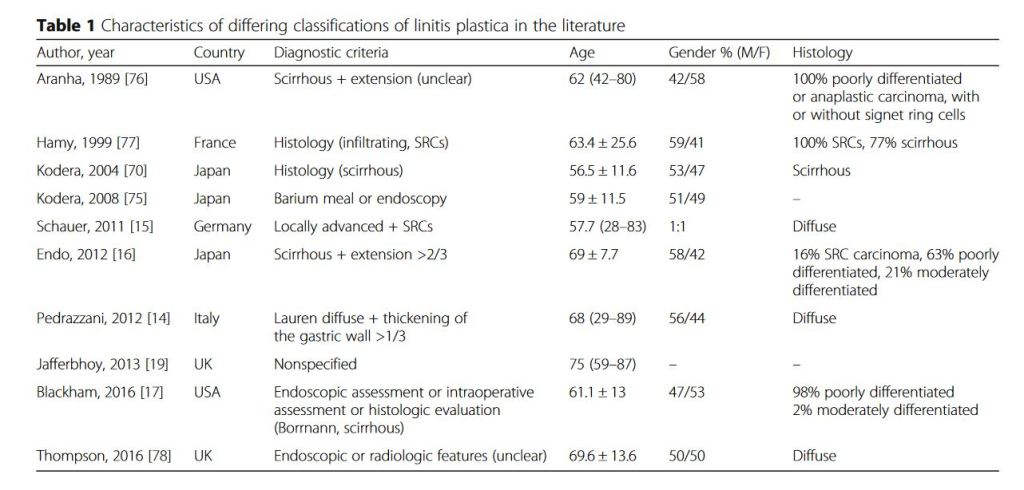
Linitis plastica definitions

“Linitis plastica due to gastric adenocarcinoma is a condition with a long history, but still lacks a standardized definition and is commonly confused with Borrmann type IV, Lauren diffuse, and signet-cell type gastric cancer. The absence of a clear definition is a problem when investigating its biological characteristics and role as a possible independent factor for prognosis. Nevertheless, the biological behavior for linitis plastica, which is unique, may be valuable in risk stratification and have implications for treatment. A definition of linitis plastica
based on molecular or genomic criteria could represent a useful starting point for investigating new targeted therapies.”

Continue reading

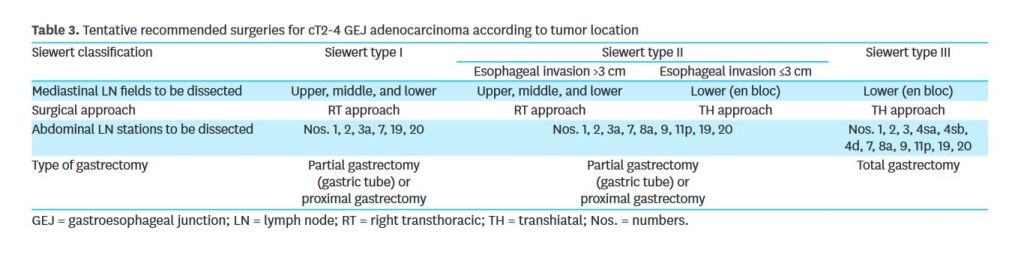
Siewert Classification

“The Siewert classification is widely used for determining which surgical procedure is used, because previous studies have shown that the pattern of lymph node (LN) metastasis depends on tumor location. In terms of surgical approaches for GEJ adenocarcinoma, a consensus was reached based on two randomized controlled trials. Siewert types I and III are treated as esophageal cancer and gastric cancer, respectively.”

Continue reading

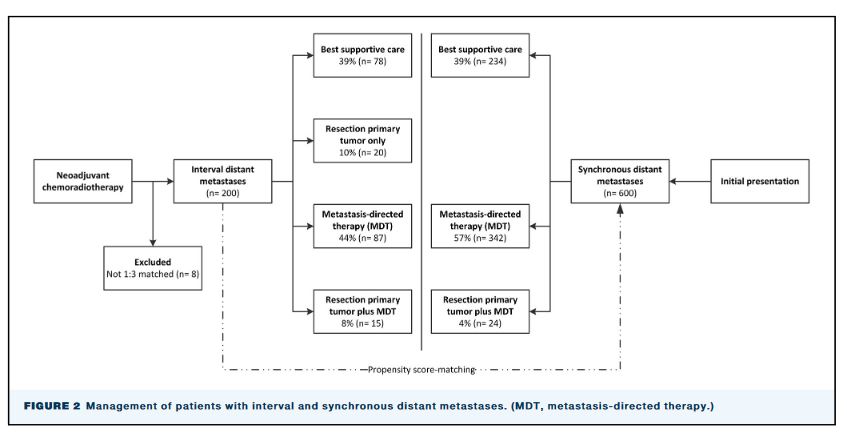
Prognosis of Interval Distant Metastases After Neoadjuvant Chemoradiotherapy for Esophageal Cancer

“Neoadjuvant chemoradiotherapy (nCRT) followed by surgery is currently considered an important multimodality treatment option for patients with locally advanced esophageal or gastroesophageal junction cancer. Perioperative chemotherapy is an alternative multimodality treatment option for locally advanced gastroesophageal junction adenocarcinoma. The overall survival of patients with locally advanced esophageal or gastroesophageal junction cancer treated with nCRT followed by surgery remains relatively poor with an estimated 5-year OS rate of 40% to 50%, predominantly due to distant recurrences.”

Continue reading

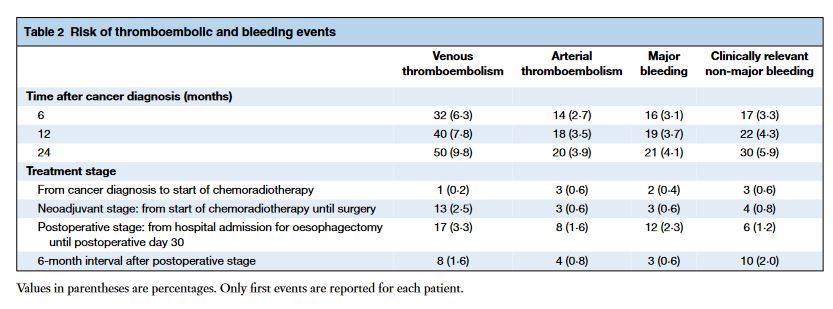
Risk of thromboembolic and bleeding complications in patients with oesophageal cancer

“Patients with oesophageal cancer undergoing neoadjuvant chemoradiotherapy and surgery
are at substantial risk of thromboembolic and bleeding events throughout all stages of treatment. Survival is worse in patients with thromboembolic events during follow-up.”

Continue reading

Simultaneous resection of primary colorectal cancer and synchronous liver metastases

Kleive D, et al. Simultaneous Resection of Primary Colorectal Cancer and Synchronous Liver Metastases: Contemporary Practice, Evidence and Knowledge Gaps. Oncol Ther. 2021 Jun;9(1):111-120. Free full-text.

Key Summary Points

  • High-level evidence in simultaneous resection of colorectal cancer and colorectal liver metastasis remains scarce.
  • Simultaneous resections may be considered in patients with good performance status and limited liver tumour burden.
  • Simultaneous resections should be avoided when requiring major liver resection and major colorectal resection.
  • Treatment strategies should be made by a multidisciplinary team.
  • Simultaneous resections should be performed as part of a clinical trial.
Continue reading

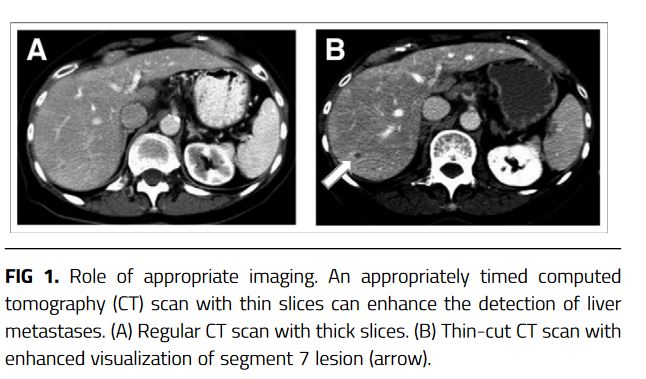
Surgical Management of Liver Metastases From Colorectal Cancer

“Surgical resection remains one of the major curative treatment options available to patients
with colorectal liver metastases. Surgery and chemotherapy form the backbone of the
treatment in patients with colorectal liver metastases. With more effective chemotherapy
regimens being available, the optimal timing and sequencing of treatments are important. A
multidisciplinary approach with the involvement of medical oncologists and surgical
oncologists from the beginning is crucial.”

Continue reading