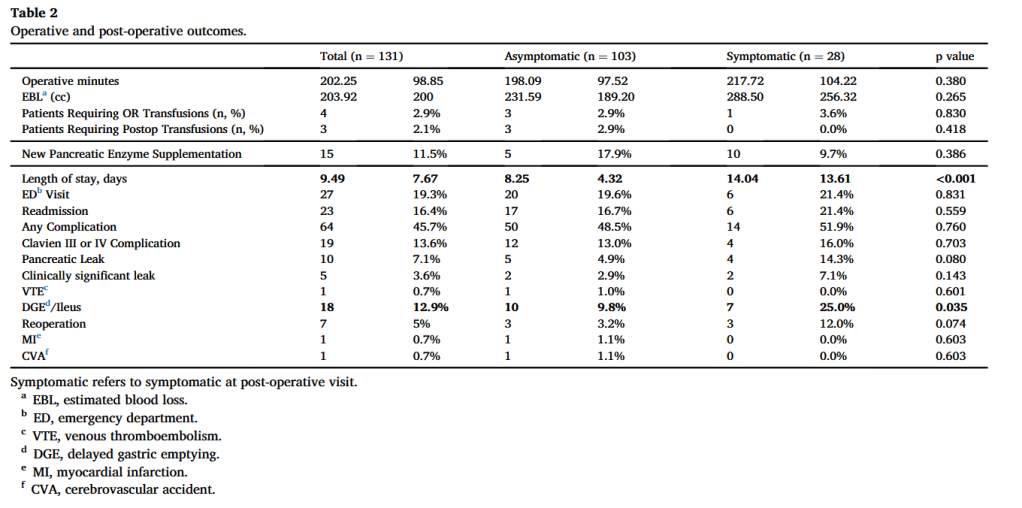
Long-term symptom resolution following the surgical management of chronic pancreatitis

“Chronic pancreatitis is characterized by recurrent inflammation and fibrosis, resulting in pervasive symptoms of abdominal pain, early satiety, nausea, malnutrition, and pancreatic insufficiency. Though there are limited data on the true prevalence of chronic pancreatitis, an
estimated 5 to 14 per 100,000 patients are diagnosed annually in the US. While the overall incidence and prevalence of chronic pancreatitis remain relatively low, it contributes a significant morbidity and financial burden, with an annual healthcare cost exceeding $3 billion, largely due to increased utilization and symptom palliating efforts. Furthermore,
disability secondary to chronic pancreatitis symptoms creates a substantial personal burden, with increased work absenteeism and reducedquality of life. Treatment efforts initially focus on symptom management and reversal of instigating factors, consisting primarily of medical
and endoscopic techniques; however, up to 50 % of all cases of chronic pancreatitis eventually require surgical intervention due to persistent symptoms, most commonly debilitating abdominal pain. Additionally, current data suggest that surgery is superior to endoscopy in maintaining symptom resolution and preserving pancreatic function.”
Continue reading

Patient controlled opioid analgesia versus non-patient controlled opioid analgesia for postoperative pain

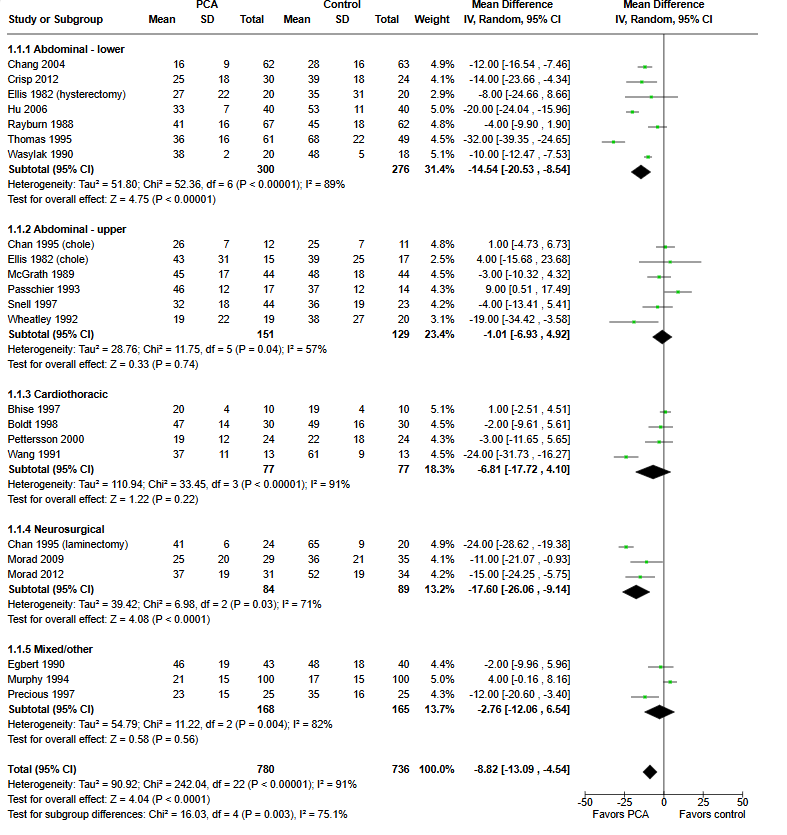
“Patients may control pain after surgery by self administration of analgesics (pain killers) using devices designed for this purpose (patient controlled analgesia or PCA). PCA involves self administration (by pushing a button) of small doses of opioids (such as morphine)
intravenously by means of a programmable pump. Previous studies have shown that often patients prefer PCA to traditional methods of pain management, such as a nurse administering an analgesic upon a patient’s request. This review demonstrated moderate to low quality evidence that PCA provided slightly better pain control and increased patient satisfaction when compared with non-patient controlled methods. Patients tended to use slightly higher doses of medication with PCA and suffered a higher occurrence of itching, but otherwise side effects were similar between groups.”

Continue reading

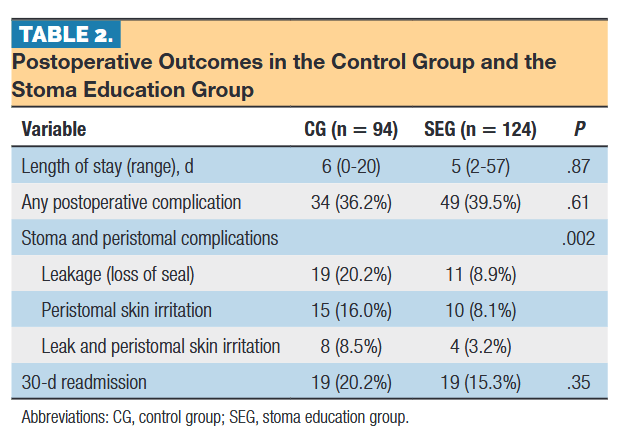
Institution of a Preoperative Stoma Education Group Class Decreases Rate of Peristomal Complications

“Over the previous 2 decades, a greater emphasis has been placed on preoperative education for patients anticipated to require a new stoma as part of an upcoming surgery. Preoperative stoma site marking, in combination with education and counseling with an ostomy nurse prior to surgery, has been associated with a decrease in stomal and peristomal complications such as peristomal skin irritation and appliance leakage.”

Continue reading

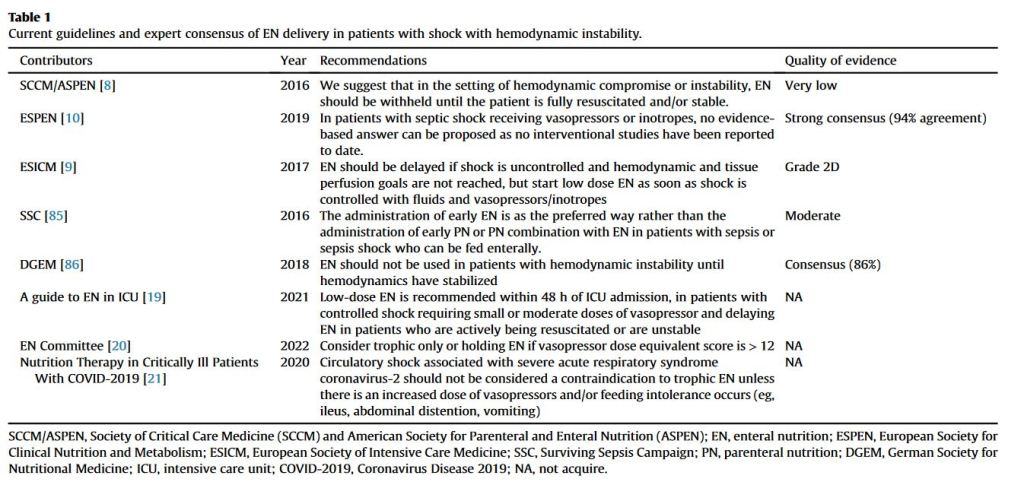
Starting early enteral nutrition safely in patients with shock on vasopressors

“Shock is a common critical illness characterized by microcirculatory disorders and insufficient tissue perfusion. Patients with shock and hemodynamic instability generally require vasopressors to maintain the target mean arterial pressure. Enteral nutrition (EN) is an important therapeutic intervention in critically ill patients and has unique benefits for intestinal recovery. However, the initiation of early EN in patients with shock receiving vasopressors remains controversial.”
“It remains a therapeutic challenge in critical care nutrition therapy to determine the initiation time of EN in patients with shock receiving vasopressors and the safe threshold region for initiating EN with vasopressors. Therefore, the current review aimed to summarize the evidence on the optimal and safe timing of early EN initiation in patients with shock receiving vasopressors to improve clinical practice.”

Continue reading

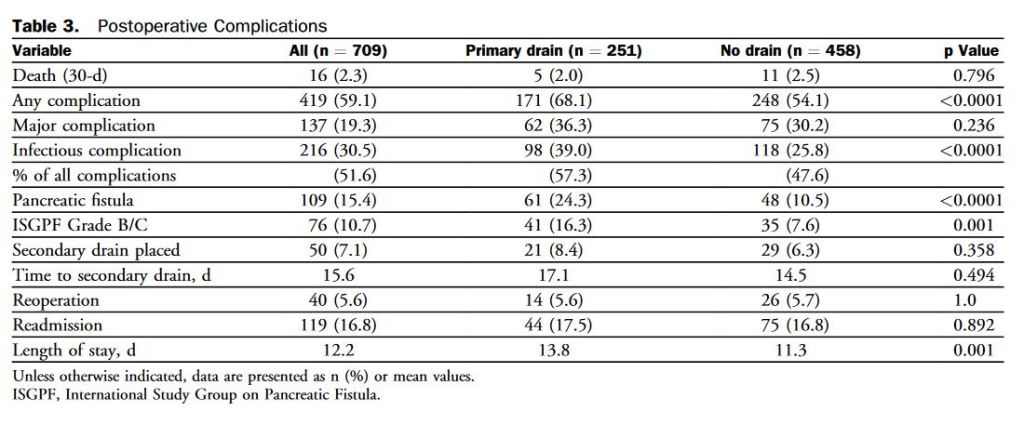
Is it time to abandon routine operative drain use?

“Postoperative pancreatic fistula (POPF) is a potentially devastating complication after pancreatic resection, seen in 5% to 30% of patients. Depending on severity, POPF may be associated with infectious complications, reoperation, increased length of hospital stay, readmission, and even death. Historically, surgeons placed drains routinely for many abdominal procedures to control potential leaks from various anastomoses. However, this practice has been abandoned by many surgeons over the last 2 decades because no benefit to routine abdominal drainage has been observed from several randomized controlled trials for resections of the colon and rectum, gallbladder, and liver.”

Continue reading

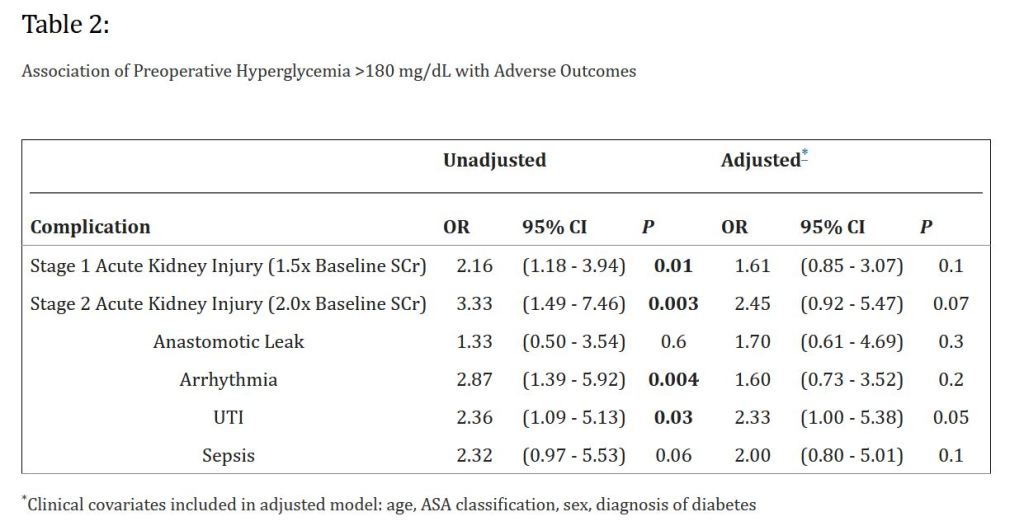
Pre versus post operative hyperglycemia as a risk for complications

“Hyperglycemia has emerged as a modifiable mediator of adverse events after surgery. Potential mechanisms for these outcomes include the vascular, inflammatory, and hemodynamic derangements that occur as a result of persistently elevated glucose levels, all of which can contribute to the risk of morbidity and mortality after surgery.” (Chen)

“Postoperative hyperglycemia was more significantly associated with adverse clinical outcomes after elective colorectal surgery than was preoperative hyperglycemia. However, preoperative hyperglycemia was associated with postoperative hyperglycemia, suggesting that improved glycemic management preoperatively may help reduce hyperglycemic events after surgery.” (Chen)

Chen
Continue reading

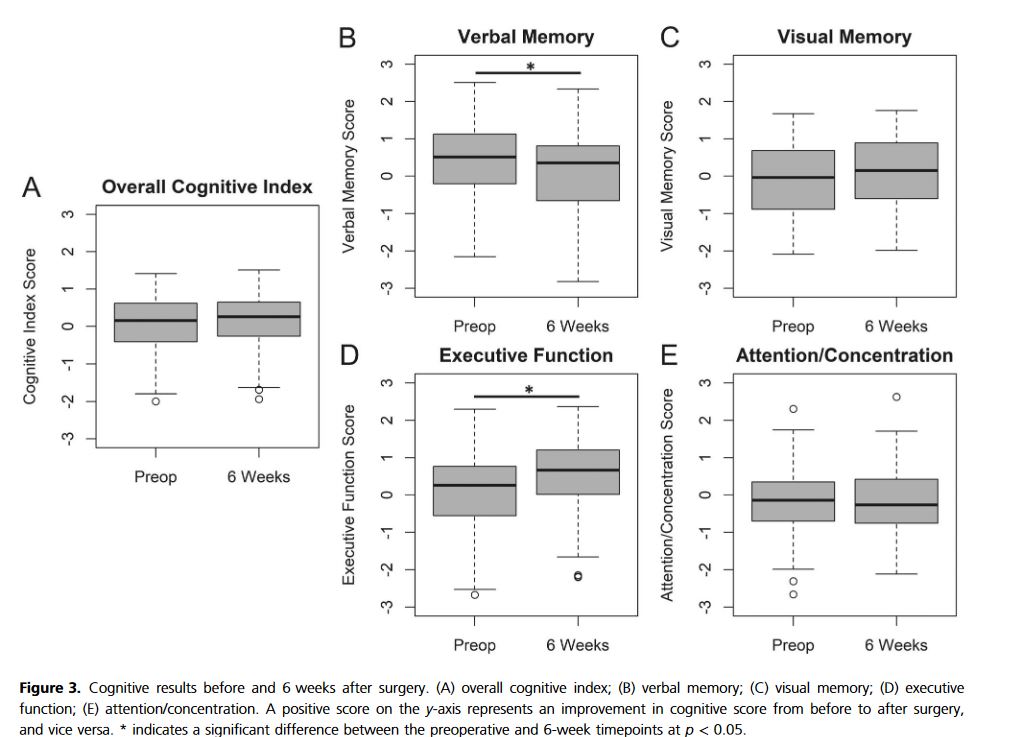
Evaluation of pre- and post- operative cognitive function and neurodegenerative markers

“One of the largest controversies in perioperative medicine over the last quarter century has been whether anesthesia and surgery contribute to long-term cognitive decline and/or the development of dementia in older adults. This question has major public health implications, since approximately half of adults over 65 will undergo at least one surgery, and over 120,000 Americans will die of Alzheimer’s disease (AD) per year.”

“Neurocognitive changes after non-cardiac, non-neurologic surgery in the majority of cognitively healthy, community-dwelling older adults are unlikely to be related to postoperative changes in AD neuropathology (as assessed by CSF Aβ, tau or p-tau-181p levels or the p-tau-181p/Aβor tau/Aβratios).”

Continue reading