Acute Kidney Injury within an Enhanced Recovery after Surgery (ERAS) Program for Colorectal Surgery

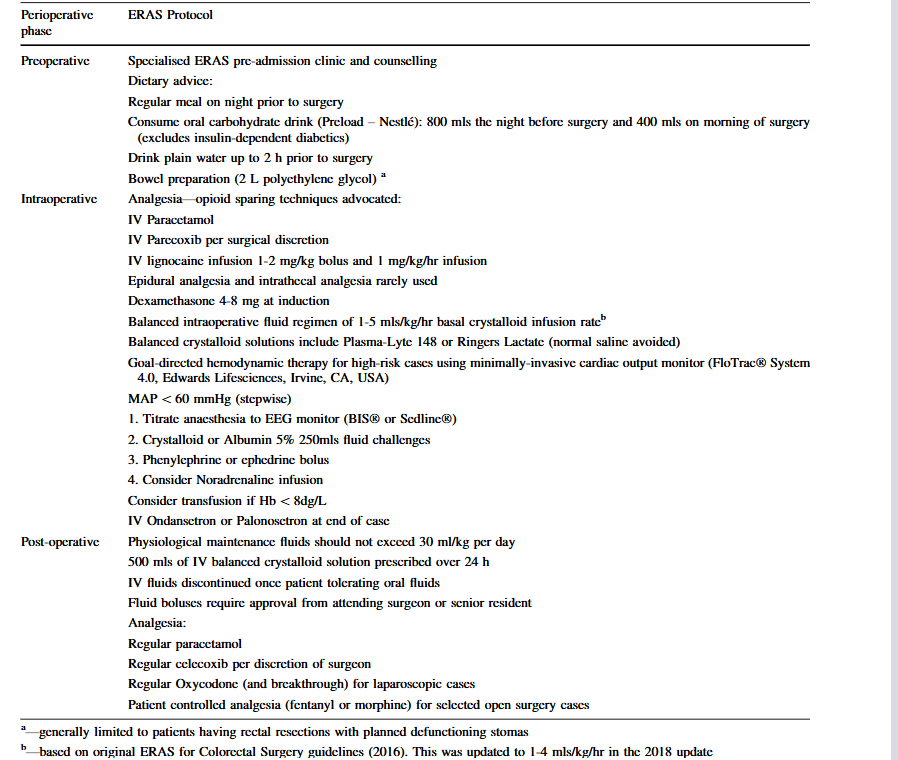
“Acute kidney injury (AKI) is a common complication following major abdominal surgery and is associated with increased length of hospital stay, the progression of chronic kidney disease (CKD), and increased long-term mortality. The rate of AKI amongst patients within different enhanced recovery programs (ERP) is reported to be between 3 and 23%. Patient-related risk factors for AKI include age, comorbidities such as hypertension and diabetes, a history of CKD, and use of angiotensin-converting enzyme inhibitors. Procedure-related factors that may impact on the prevalence of AKI include open surgery, the requirement for blood products, the use of intraoperative vasopressors, and a restrictive perioperative fluid regimen. The original guidelines published by the Enhanced Recovery After Surgery (ERAS) Society for colorectal surgery (CRS) as well as their recent update (2018 guidelines) promote a number of measures which aim to maintain near euvolaemia such as preoperative carbohydrate loading, avoidance of bowel preparation, minimisation of fasting times, minimally invasive surgery, and early resumption of oral fluid therapy.”
Continue reading →

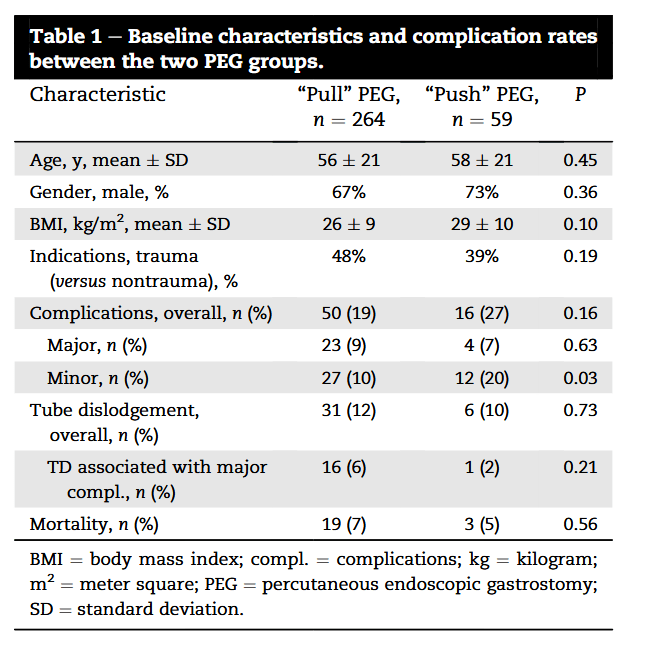
Comparing Outcomes Between “Pull” Versus “Push” Percutaneous Endoscopic Gastrostomy in Acute Care Surgery: Under-Reported Pull Percutaneous Endoscopic Gastrostomy Incidence of Tube Dislodgement

“Percutaneous endoscopic gastrostomy (PEG) tube placement is a commonly performed procedure in trauma patients.Since the establishment of the acute care surgery (ACS)
model, the role of ACS in PEG tube placement in many institutions has expanded. The incidence of PEG tube complications has been under-reported in the literature and varies
widely among the patient populations studied and the definition of complications utilized. Major and minor complications may range from 3% to 26%. Our institution, under an ACS model, has previously reported an overall 25% complication rate with 10% major and 14% minor complications associated with pull PEG.”

Continue reading →

Six versus three years of adjuvant imatinib in patients with localized GIST at high risk of relapse

“Gastrointestinal stromal tumor (GIST) is the most common sarcoma and also a paradigmatic model for precision medicine in solid tumors, with the tyrosine kinase inhibitor
imatinib as a standard first-line treatment in the advanced phase and as adjuvant treatment in KIT- or PDGFRA-mutated GIST.”
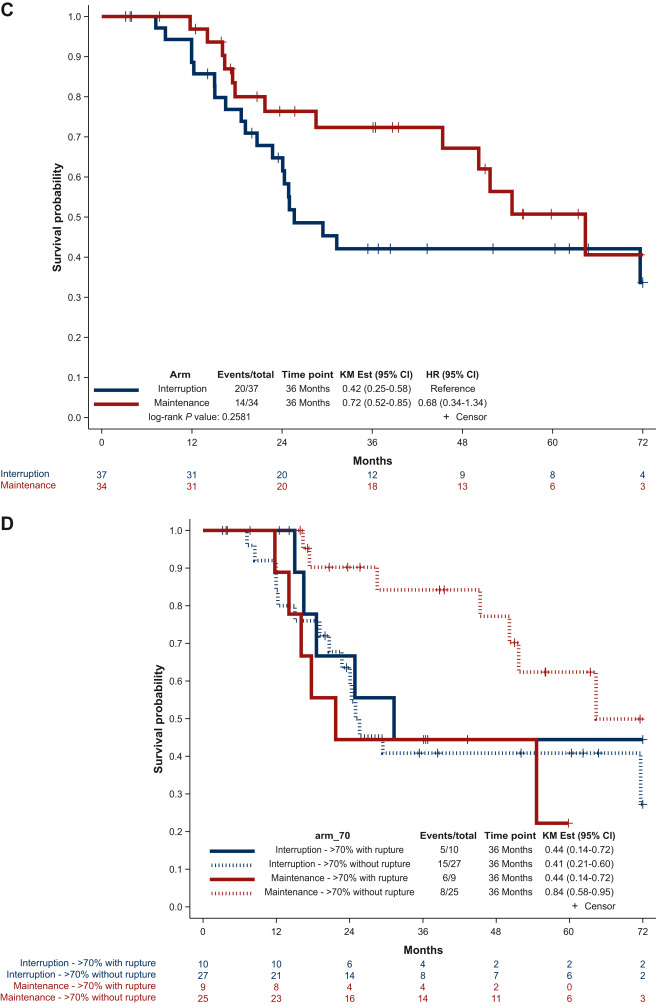
Whether a longer duration of imatinib treatment improves disease-free survival (DFS) has not been explored in a randomized setting. The randomized IMADGIST study was initiated in 2014 with the aim to determine whether the prolongation of adjuvant imatinib during 3 additional years improves the outcome of high-risk GIST patients versus a standard total duration of 3 years as recommended by clinical practice guidelines. The primary endpoint was DFS. We report here the results of this clinical study.”

Figure 2 Disease-free survival in the in the 3-years and 6-years arms. (A) DFS in the entire series; (B) DFS in the stratification subgroup with a risk of relapse of 35%-70%; (C) DFS in the stratification subgroup with a risk of relapse >70%; (D) DFS in the stratification subgroup with a risk of relapse >70%, with (solid lines) or without (dotted lines) tumor rupture. CI, confidence interval; DFS, disease-free survival; Est, estimate; HR, hazard ratio; KM, Kaplan-Meier.
Continue reading →

Does the use of staple line reinforcement during sleeve gastrectomy and Roux-en-Y gastric bypass affect Clinical Outcomes?

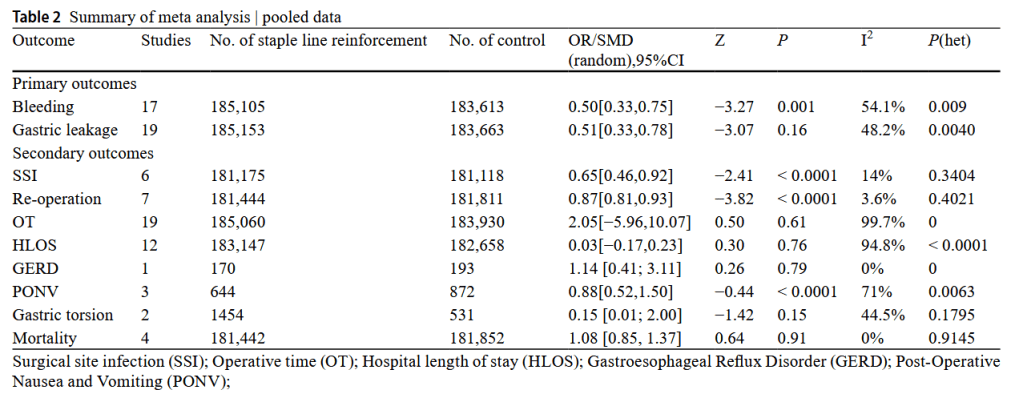
“The efficacy of bariatric surgery in facilitating sustained weight loss and managing obesity-related comorbidities has been consistently reported in the medical/scientific literature. Sleeve gastrectomy (SG) and Roux-en-Y gastric bypass (RYGB) are widely accepted bariatric procedures. However, complications, such as gastric leakage, bleeding, stricture, and surgical infection, can lead to significant morbidity and mortality, posing a formidable challenge to bariatric surgeons.
In order to reduce the incidence of complications associated with bariatric surgery, some surgeons have advocated the use of gastric incision staple line reinforcement with the
aim of improving structural integrity and reducing edge tension. However, others have suggested that the reinforcement of the incision edge may compromise suture stability, thereby raising concerns about the overall effectiveness of staple line reinforcement in preventing postoperative complications.”

Continue reading →

Survival, Healthcare Utilization, and End-of-life Care among Older Adults with Malignancy-associated Bowel Obstruction

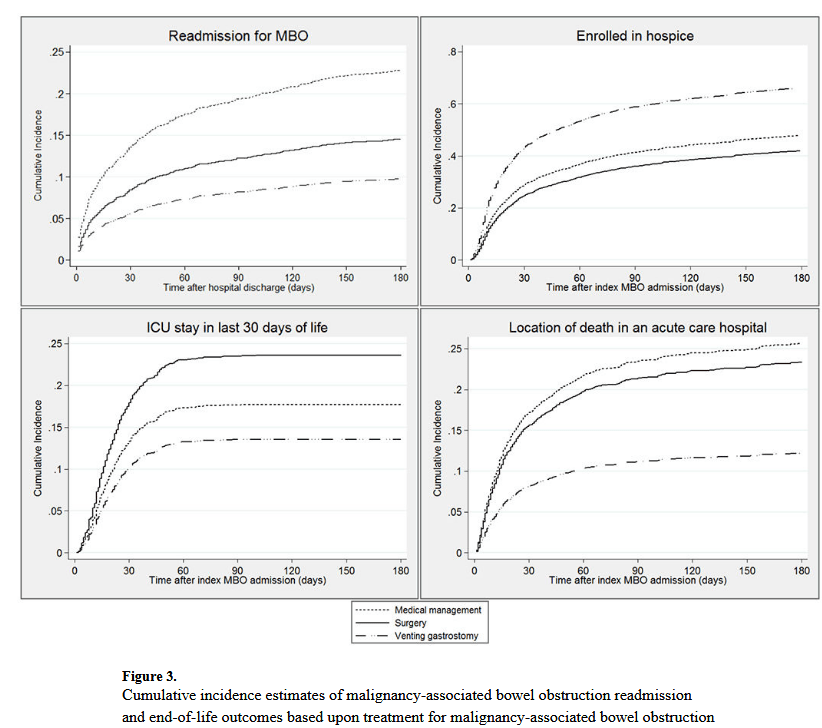
“Among patients with cancer, the estimated prevalence of malignancy-associated bowel
obstruction (MBO) is 3-15%, including up to 51% in ovarian cancer and up to 28% in
cancers of the gastrointestinal tract. MBO is among the most common palliative
indications for surgical consultation5 and typically signifies a poor prognosis, with mean
survival of 3-8 months in surgical cases and 4-5 weeks in those with inoperable MBO.
Managing the considerable symptom burden associated with MBO frequently
requires hospitalization and contributes to high-intensity healthcare utilization.1, In light
of national efforts to address the poor quality and high cost of care near the end of life, it is
critical to understand the relationship between treatment for complications of terminal
cancer, such as MBO, and end-of-life (EOL) care.”

Continue reading →

Definitive surgical treatment of enterocutaneous fistula

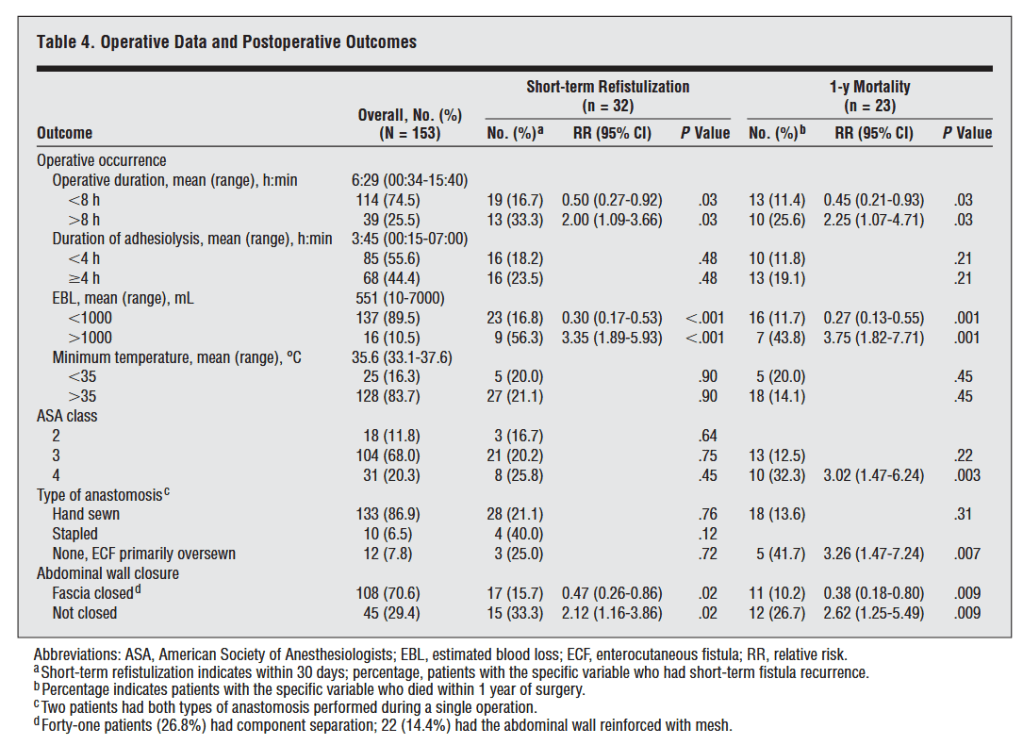
“Enterocutaneous Fistula (ECF) is defined as an abnormal connection between the gastrointestinal tract and the skin, and it requires labor-intensive medical management and surgical expertise. Complex wound management, severe malnutrition, frequent infectious complications, chronic pain, and depression require significant investment of health care resources and make the short-term and longterm care of these patients difficult. The
subsequent operative management often requires lengthy procedures in hostile abdomens with abundant adhesions and surrounding inflammation. In addition to the significant risk of mortality, morbidity can be equally as devastating.”

Continue reading →

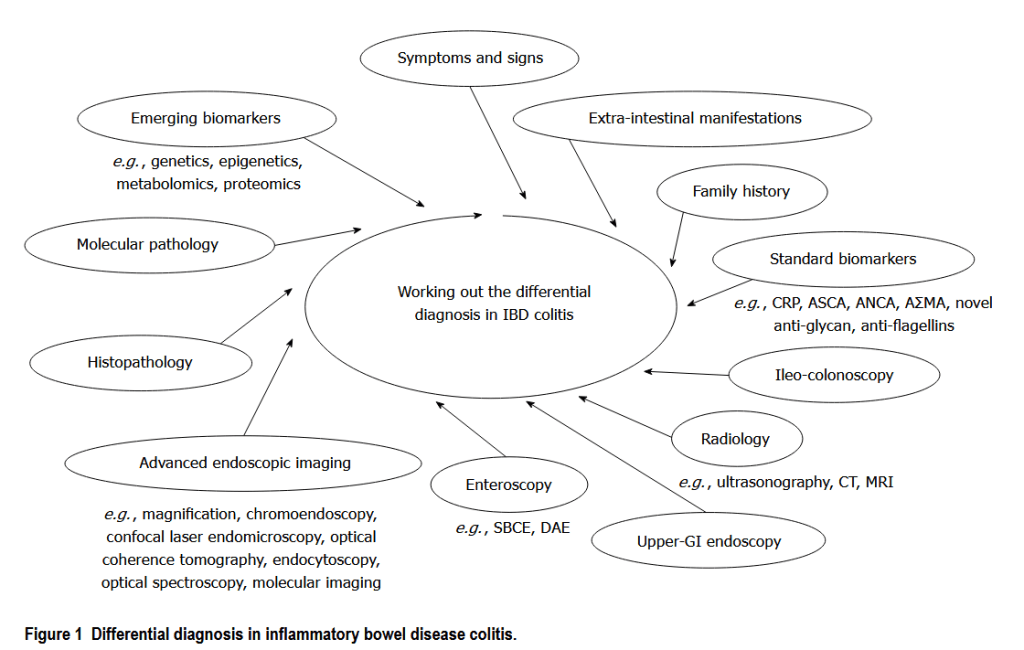
Differential diagnosis in inflammatory bowel disease colitis

“Distinction between Crohn’s disease of the colon-rectum and ulcerative colitis or inflammatory bowel disease (IBD) type unclassified can be of pivotal importance for a tailored clinical management, as each entity often involves specific therapeutic strategies and prognosis. Nonetheless, no gold standard is available and the uncertainty of diagnosis may frequently lead to misclassification or repeated examinations. Hence, we have performed a literature search to address the problem of differential diagnosis in IBD colitis, revised current and emerging diagnostic tools and refined disease classification strategies. Nowadays, the differential diagnosis is an untangled issue, and the proper diagnosis
cannot be reached in up to 10% of patients presenting with IBD colitis.”

Continue reading →