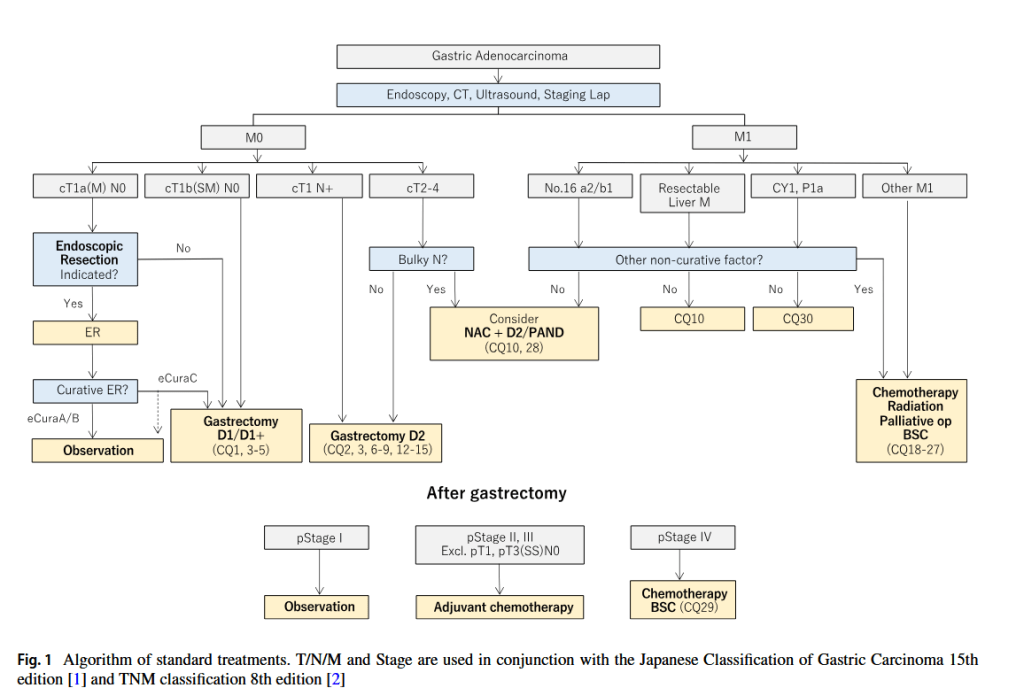
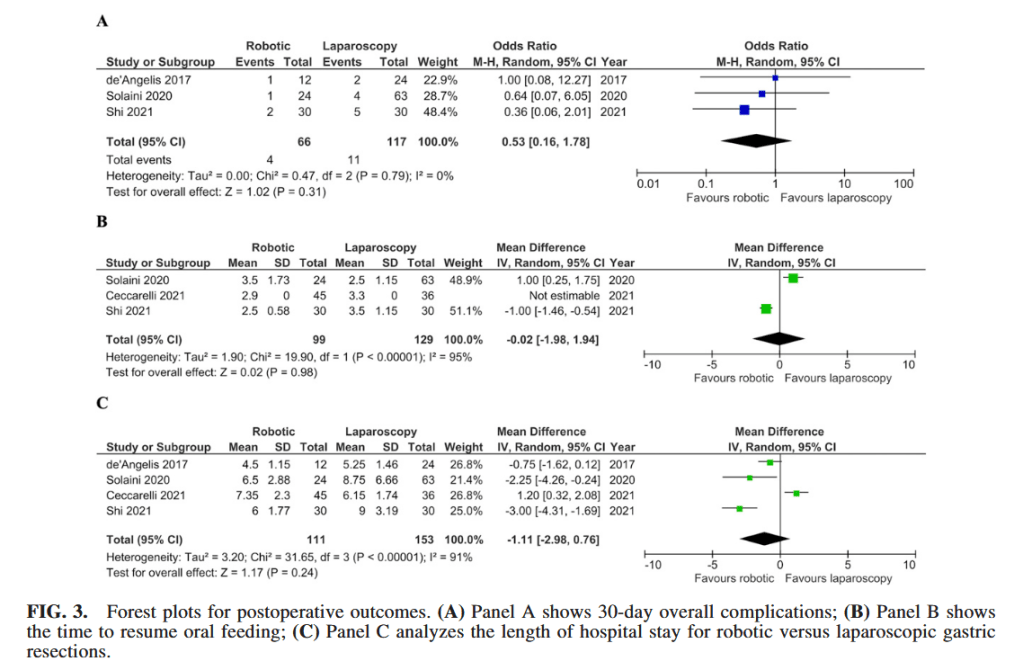
“The sixth edition of the Japanese Gastric Cancer Treatment Guidelines was completed in July 2021, incorporating new evidence that emerged after publication of the previous edition. It consists of a text-based “Treatments” part and a “Clinical Questions” part including recommendations and explanations for clinical questions. The treatments parts include a comprehensive description regarding surgery, endoscopic resection and chemotherapy for gastric cancer. The clinical question part is based on the literature search and evaluation by an independent systematic review team.”
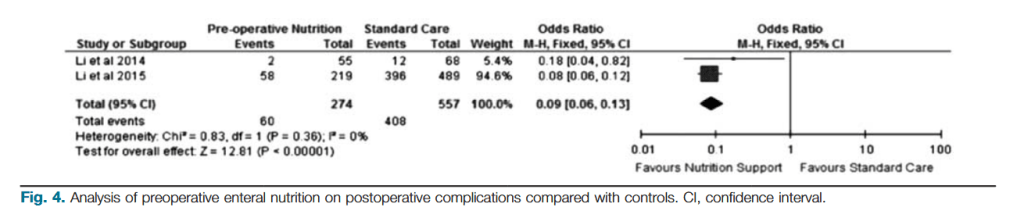
“Surgery is frequently needed in Crohn’s Disease (CD) patients who have malnutrition. Patients with CD are at a risk of malnutrition secondary to decreased oral intake, malabsorption, and inflammation. The prevalence of malnutrition in IBD patients is profound: 60–80% of IBD patients are anemic, 39–81% are iron deficient, 20–60% are vitamin B12 deficient, 36–54% are folate deficient, and 25–80% have hypoalbuminemia. This high prevalence of malnutrition presents a challenge in the surgical management of CD patients because poor preoperative nutritional status has been linked to increase postoperative complications. Therefore, nutritional optimization using enteral nutrition (EN) and total parenteral nutrition (TPN) have been used for many years to improve the nutritional status of CD patients in hopes of decreasing postoperative complications.”
“Gastrointestinal stromal tumors (GISTs) are the most common mesenchymal neoplasms of the digestive system. They account for less than 3% of all gastrointestinal malignancies, with an annual incidence rate estimated at 10–20 cases per million population in the United States. The most frequent anatomical location is the stomach (approximately 60% of cases). Although the introduction of tyrosine kinase inhibitors has changed the therapeutic algorithm of GISTs, surgical resection with negative margins remains the main treatment option for localized resectable tumors.”
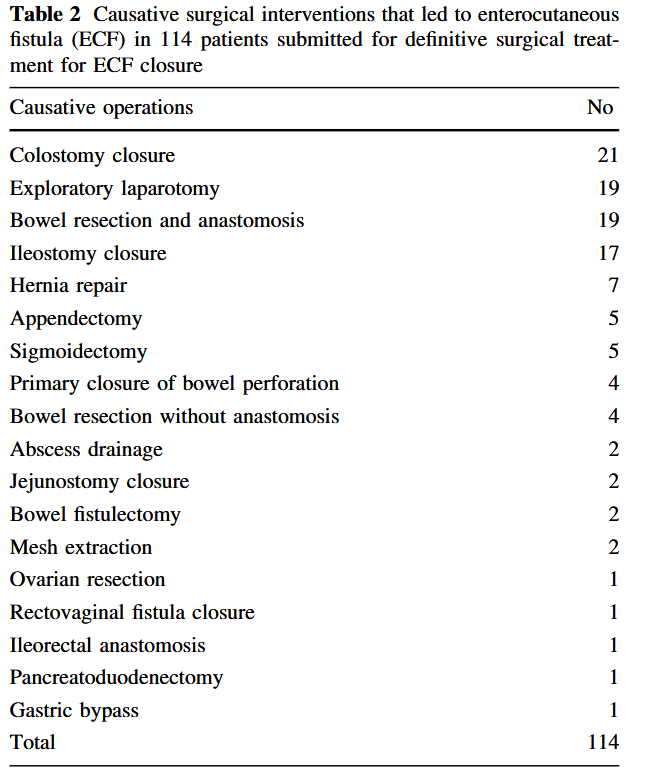
“In the case of enterocutaneous fistula (ECF) initial medical therapy aims to stabilize the patient, optimize the nutritional status and control of infections and fistula output. When surgery is required, extensive adhesiolysis, bowel resection and anastomosis along with abdominal wall reconstruction are necessary. The primary endpoint in patients undergoing surgical treatment with ECF as well as in the case of intestinal stomas, is to solve the intestinal defect, thus leaving in secondary terms other problems such as ventral hernias. The simultaneous treatment of fistula/stoma closure with abdominal wall defect closure has been widely debated since some argue that the risk of complications such as anastomotic leakage is increased due to prolonged surgery and anesthetic time. However, various studies are reporting good results in patients undergoing simultaneous stoma with giant wall defect correction surgery, without increased risks and rates of complications.”
“Acute lower gastrointestinal bleeding (LGIB) is one of the most common reasons for hospitalization in the United States due to a digestive disorder, accounting for over 100,000 admissions annually. Although historically LGIB has referred to a bleeding source originating distal to the ligament of Treitz, small bowel bleeding is considered a separate entity, with a distinct diagnostic and therapeutic algorithm. For the purposes of this clinical practice guideline, LGIB refers to hematochezia or bright red blood per rectum originating from a colorectal source.”
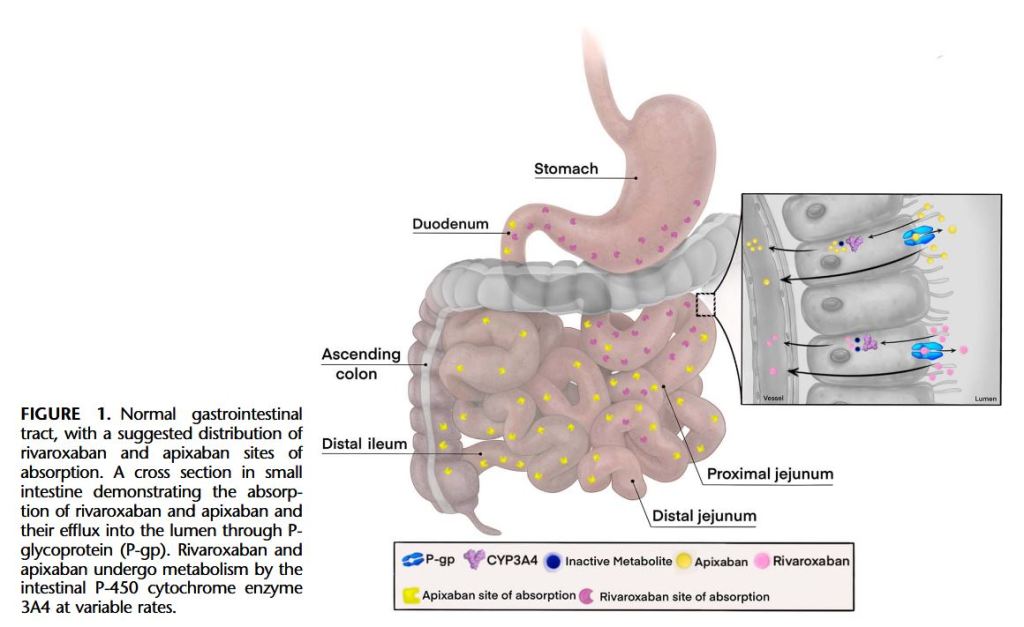
“Direct-acting oral anticoagulants (DOACs) are recommended over vitamin K antagonists (VKAs) for both the treatment of venous thromboembolism (VTE) and the prevention of stroke and systemic embolism in nonvalvular atrial fibrillation (AF). Two classes of DOACs are currently approved by the European Medication Agency and the US Food and Drug Administration: the direct factor Xa inhibitors, including rivaroxaban, apixaban, and edoxaban, and a direct thrombin inhibitor, dabigatran. 5 Unlike the VKAs, which have a narrow therapeutic range and require dose individualization to maintain a therapeutic international normalized ratio, DOACs have a wide therapeutic range, allowing for fixed dose regimens. Efficacious DOAC doses were determined in Phase III trials that were designed based on studies conducted in healthy subjects with an intact gastrointestinal tract (GIT). Therefore, it is difficult to extrapolate outcomes with DOAC treatment to patients who undergo surgical resection or bypass of the GIT, which may result in alteration of absorptive capacity. Because of the potential of reduced efficacy, the Update on Guidelines for the Management of Cancer-Associated Thrombosis has recently expressed concerns regarding the use of DOAC in patients with proximal GIT resection.”
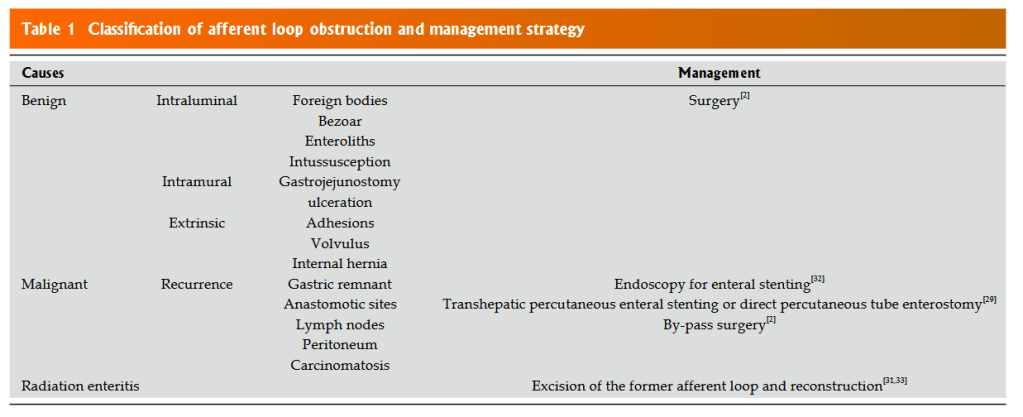
“Afferent loop obstruction is a purely mechanical complication that infrequently occurs following construction of a gastrojejunostomy. The operations most commonly associated with this complication are gastrectomy with Billroth II or Roux-en-Y reconstruction, and pancreaticoduodenectomy with conventional loop or Roux-en-Y reconstruction. Etiology of afferent loop obstruction includes: (1) entrapment, compression and kinking by postoperative adhesions (2) internal herniation, volvulus and intussusception (3) stenosis due to ulceration at the gastrojejunostomy site and radiation enteritis of the afferent loop (4) cancer recurrence (5) enteroliths, bezoars and foreign bodies.