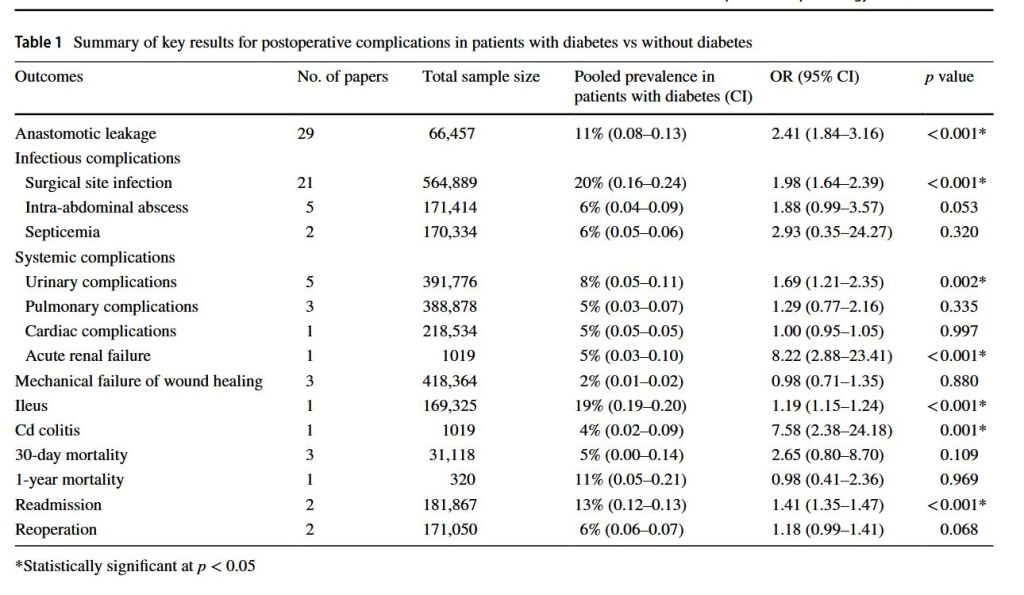
Influence of diabetes on postoperative complications following colorectal surgery

“Diabetes continues to be a significant comorbidity that needs to be accounted for during surgical planning. Furthermore, undiagnosed diabetes or ‘pre-diabetes’ results in an underestimation of the true number of patients with diabetes having colorectal
surgery, with studies reporting that the true prevalence of diabetes in hospitalised patients has been understated by up to 40%. In the existing literature, poor glycemic control and hyperglycemia has been associated with impaired wound healing and increased susceptibility to infections,leading to an elevated risk of postoperative complications.”
Continue reading

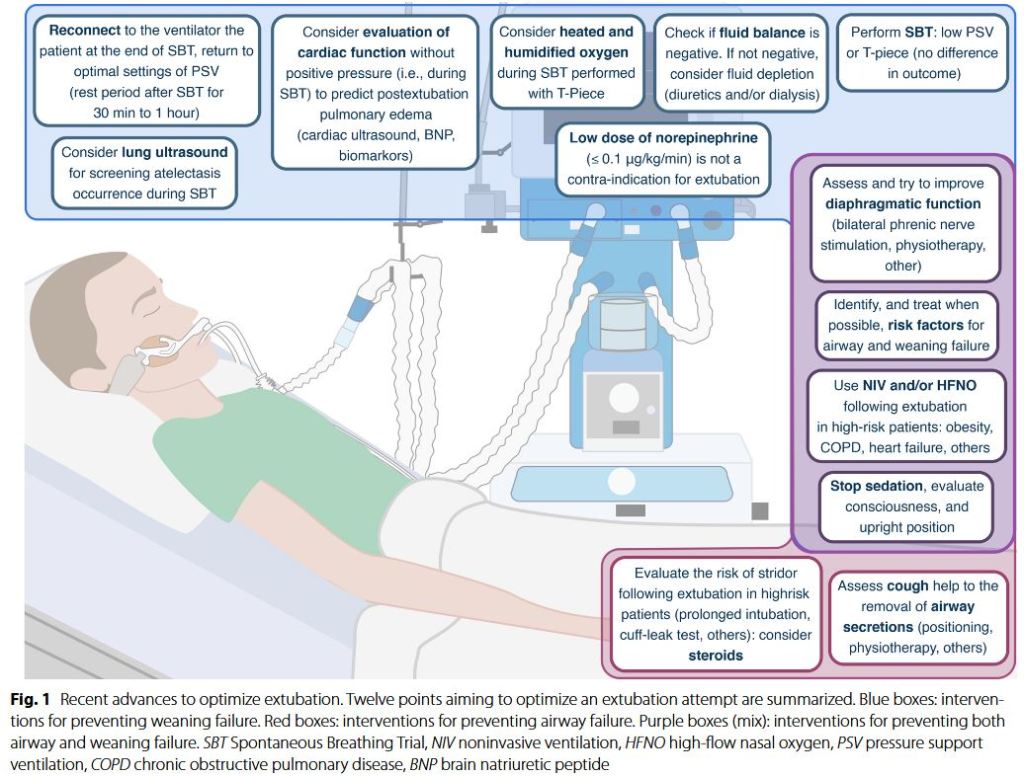
How to optimize extubation?

“Extubation failure, defined as the inability to sustain spontaneous breathing after removal of the artificial airway and need for reintubation within 24–72 h or up to 7 days, is associated with high morbidity and mortality, as well as long term disability. Many studies have attempted to identify risk factors for extubation failure in order to prevent it. Nevertheless, the incidence of extubation failure in intensive care units (ICUs) remains quite high in the literature, between 10% within 48 h and 15% within 7 days.”

Continue reading

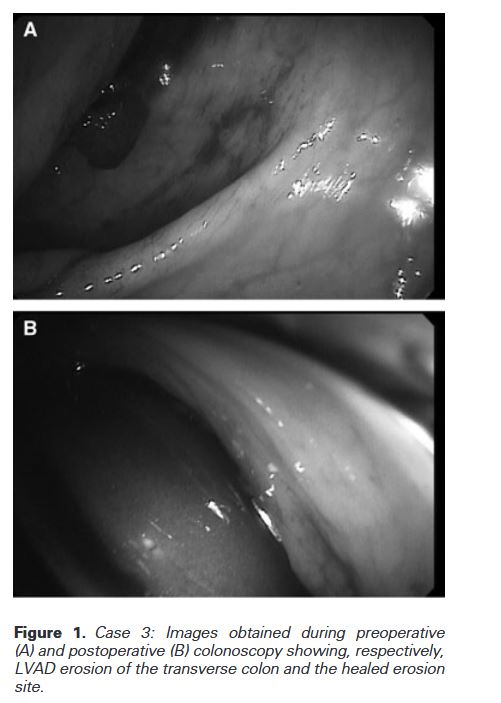
Enterocutaneous fistula formation after cardiac transplantation due to injury from LVAD driveline migration

Abstract

“A man in his early 20s with heart failure with reduced ejection fraction secondary to non-compaction cardiomyopathy (Titin (TTN) gene mutation positive) was transitioned from left ventricular assist device (LVAD) mechanical support to heart transplantation. Transplantation was successful; however, LVAD explantation resulted in innumerable complications secondary to penetration of the driveline into the peritoneal cavity. He developed an enterocutaneous fistula which led to concurrent malnutrition, poor wound healing, systemic infection, and allograft rejection in a patient less than 1 month after heart transplantation on immunosuppression.”

Tan, Derek W et al. “Enterocutaneous fistula formation after cardiac transplantation due to injury from LVAD driveline migration.” BMJ case reports vol. 16,6 e254696. 22 Jun. 2023 Emory Users Request Article via Interlibrary Loan

Left ventricular assist device infections resulting from gastrointestinal-tract fistulas

“Despite the benefits provided by continuous-flow left ventricular assist devices (LVADs), such as the HeartMate-II (HM-II), pump-related infection remains a potential complication of LVAD use. The following factors contribute to LVAD infection: malnutrition, diabetes, obesity,
prolonged hospitalization, postoperative bleeding, hematoma formation, reoperation, multiorgan failure, and sepsis.Device-related infection entails an increased hospital stay and increased risk of death. Therefore, bridge-to-transplant patients with LVAD-related infections are upgraded to status IA, classified as the highest level of urgency, on the transplant waiting list.”

Continue reading

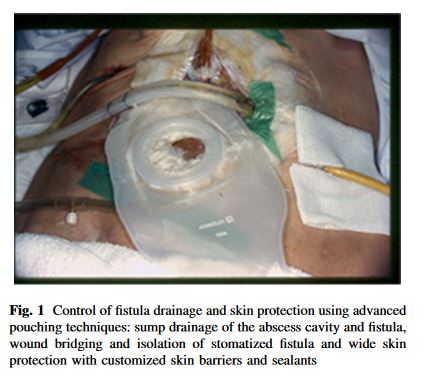
Enterocutaneous Fistulas: Causes and Managemen

“Despite advances in medical technology and surgical care, the management of enterocutaneous fistulas remains one of the most challenging problems faced by physicians. Success depends on an expert multidisciplinary team, access to long-term enteral and parenteral nutrition support, advanced wound care, optimal medical management and meticulous, methodical, surgical decision-making and technique. Management is complex and multiphasic.Improved survival rates for many morbid problems have resulted in a growing population of patients with increasingly complex fistulas. This article reviews the etiologies as
well as classic and evolving management strategies for this problem.”

Continue reading

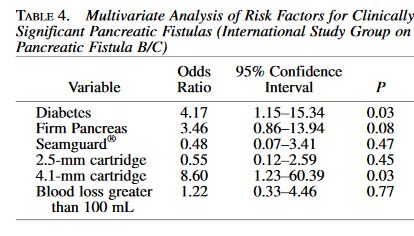
Risk Factors for Pancreatic Fistula after Stapled Gland Transection

“Distal Pancreatectomy (DP) is performed for both benign and malignant conditions affecting the body and tail of the pancreas. DP is also performed for chronic pancreatitis and occasionally for abdominal trauma. With improvements in imaging, surgical technology and technique, and postoperative care, the mortality from DP at high-volume centers is approximately 1 per cent. Despite the low mortality rate from DP, the morbidity rate from this procedure remains high (24 to 64 per cent in some series) with pancreatic fistula (PF) as
a common concern. Even with the use of linear stapling devices, fibrin glue, somatostatin analogs, thermal sealing devices, and mesh staple line reinforcement, PF continues to be a burden to patient quality of life and healthcare resources for those patients undergoing DP.”

Continue reading

Perioperative hemostasis for patients with hemophilia

“The successful surgical management of patients with hemophilia requires advanced preoperative planning. A formal treatment plan should be determined and distributed well in advance of any invasive procedure or surgery and is best done under the guidance of a hemophilia treat ment center (HTC).”

“Prior to surgery, the patient’s diagnosis should be confirmed with laboratory testing, rather than prior patient report. It is particularly important to differentiate severe von Wille
brand’s disease from hemophilia A. A preoperative history should include a review of baseline hemostatic needs that considers the frequency of breakthrough bleeding and the use of prophylactic and breakthrough hemostatic agents as well as surgical history, prior use of hemostatic support, and any bleeding complications.”

Continue reading