Variations in practice of thromboprophylaxis across general surgical subspecialties: a multicentre (PROTECTinG) study of elective major surgeries

“General surgical patients who undergo major operations are at risk of venous thromboembolism (VTE). This incurs significant morbidity and healthcare costs. Therefore, the Royal Australasian College of Surgeons and other regulatory bodies recommend routine thromboprophylaxis. Moreover, considerations for thromboprophylaxis is an integral part of theatre timeout performed prior to any operation.”

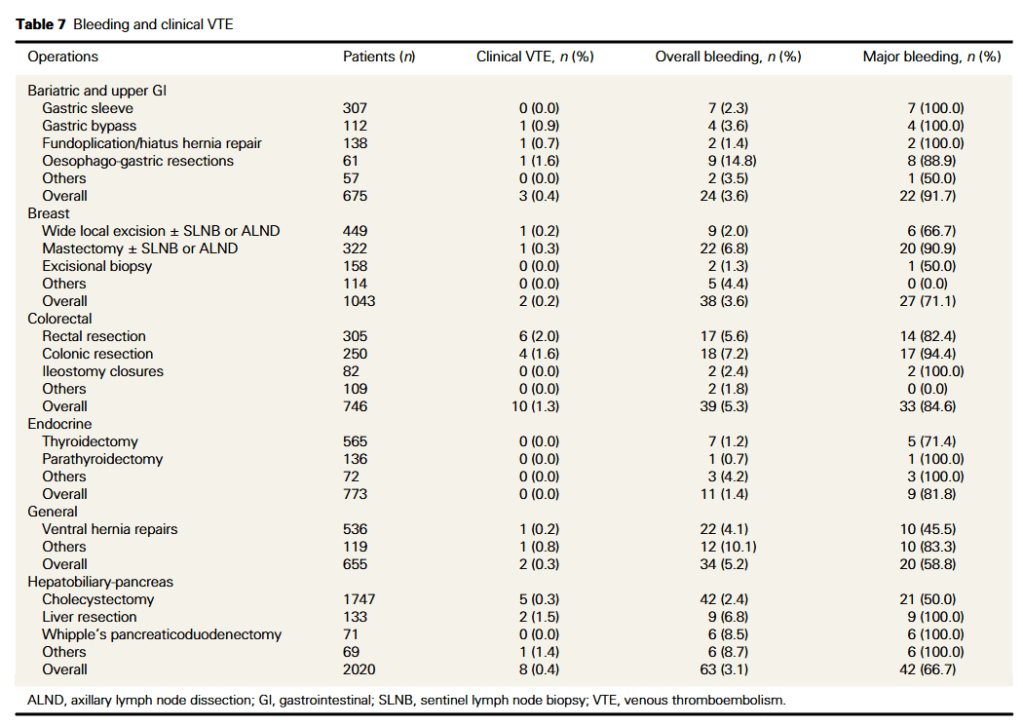
“In this study, we extend the observations made from our multicentre survey by quantifying the heterogeneity of perioperative thromboprophylaxis across all major general surgical operations, and placing them in context of their bleeding and VTE risk. Findings from this study will highlight areas of practice with the greatest variability, allow surgeons to benchmark their practices against that of their colleagues and focus future research to optimize perioperative thromboprophylaxis.”

Continue reading

Guideline for Perioperative Cardiovascular Management for Noncardiac Surgery: A Report of the American College of Cardiology/American Heart Association Joint Committee on Clinical Practice Guidelines

“Top Take-Home Messages

1.A stepwise approach to perioperative cardiac assessment assists clinicians in determining when surgery should proceed or when a pause for further evaluation is warranted.
2.Cardiovascular screening and treatment of patients undergoing noncardiac surgery should adhere to the same indications as nonsurgical patients, carefully timed to avoid delays in surgery and chosen in ways to avoid overscreening and overtreatment.
3.Stress testing should be performed judiciously in patients undergoing noncardiac surgery, especially those at lower risk, and only in patients in whom testing would be appropriate independent of planned surgery.
4.Team-based care should be emphasized when managing patients with complex anatomy or unstable cardiovascular disease.
5.New therapies for management of diabetes, heart failure, and obesity have significant perioperative implications. Sodium-glucose cotransporter 2 inhibitors should be discontinued 3 to 4 days before surgery to minimize the risk of perioperative ketoacidosis associated with their use.
6.Myocardial injury after noncardiac surgery is a newly identified disease process that should not be ignored because it portends real consequences for affected patients.
7.Patients with newly diagnosed atrial fibrillation identified during or after noncardiac surgery have an increased risk of stroke. These patients should be followed closely after surgery to treat reversible causes of arrhythmia and to assess the need for rhythm control and long-term anticoagulation.
8.Perioperative bridging of oral anticoagulant therapy should be used selectively only in those patients at highest risk for thrombotic complications and is not recommended in the majority of cases.
9.In patients with unexplained hemodynamic instability and when clinical expertise is available, emergency focused cardiac ultrasound can be used for perioperative evaluation; however, focused cardiac ultrasound should not replace comprehensive transthoracic echocardiography.”
Stepwise Approach to Perioperative Cardiac Assessment
∗Cardiovascular risk factors: hypertension, smoking, high cholesterol, diabetes, women age >65 y, men age >55 y, obesity, family history of premature CAD. †Determining elevated calculated risk depends on the calculator used. Traditionally, RCRI >1 or a calculated risk of MACE with any perioperative risk calculator >1% is used as a threshold to identify patients at elevated risk. §Abnormal biomarker thresholds: troponin >99th percentile URL for the assay; BNP >92 ng/L, NT-proBNP ≥300 ng/L. ‡Conditions that pose additional risk for MACE. ‖Noninvasive stress testing or CCTA suggestive of LM or multivessel CAD. Colors correspond to Class of Recommendation in Table 3. BNP indicates B-type natriuretic peptide; CABG, coronary artery bypass grafting; CAD, coronary artery disease; CCTA, coronary computed tomography angiography; CIED, cardiovascular implantable electronic device; CVD, cardiovascular disease; DASI, Duke Activity Status Index; ECG, electrocardiogram; GDMT, guideline-directed management and therapy; ICD, implantable cardioverter-defibrillator; LM, left main; MACE, major adverse cardiovascular event; METs, metabolic equivalents; NCS, noncardiac surgery; NT-proBNP, N-terminal pro b-type natriuretic peptide; RCRI, Revised Cardiac Risk Index; and URL, upper reference limit.
Continue reading

Prevention and treatment of dilator injuries during central venous catheter placement

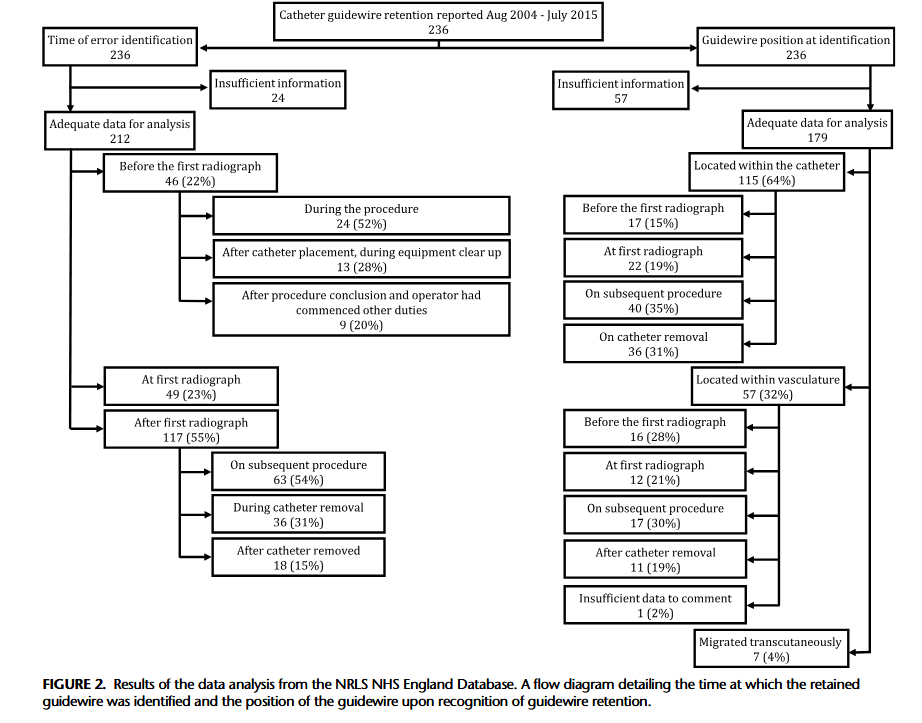
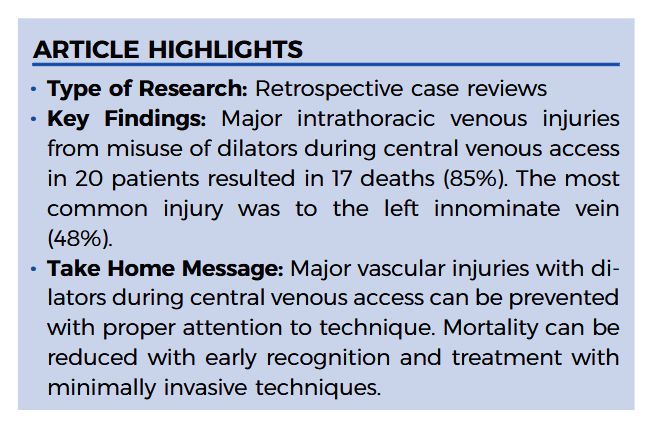
“Accessing central veins is a common procedure that is performed in many clinical settings. Complications are not infrequent events. Local complications have been reduced by the utilization of ultrasound guidance; however, this practice does not prevent injuries to the deep, intrathoracic veins.
Major venous injuries that occur within the thorax secondary to misuse of the dilator have been reported. The majority of these reports have been anecdotal case reports. There is very little evidence to suggest that a flexible, spring-loaded guidewire could perforate a
major vein. The dilator is the only instrument that has the stiffness and point that is capable of perforating a central vein.”

Continue reading

How to optimize extubation?

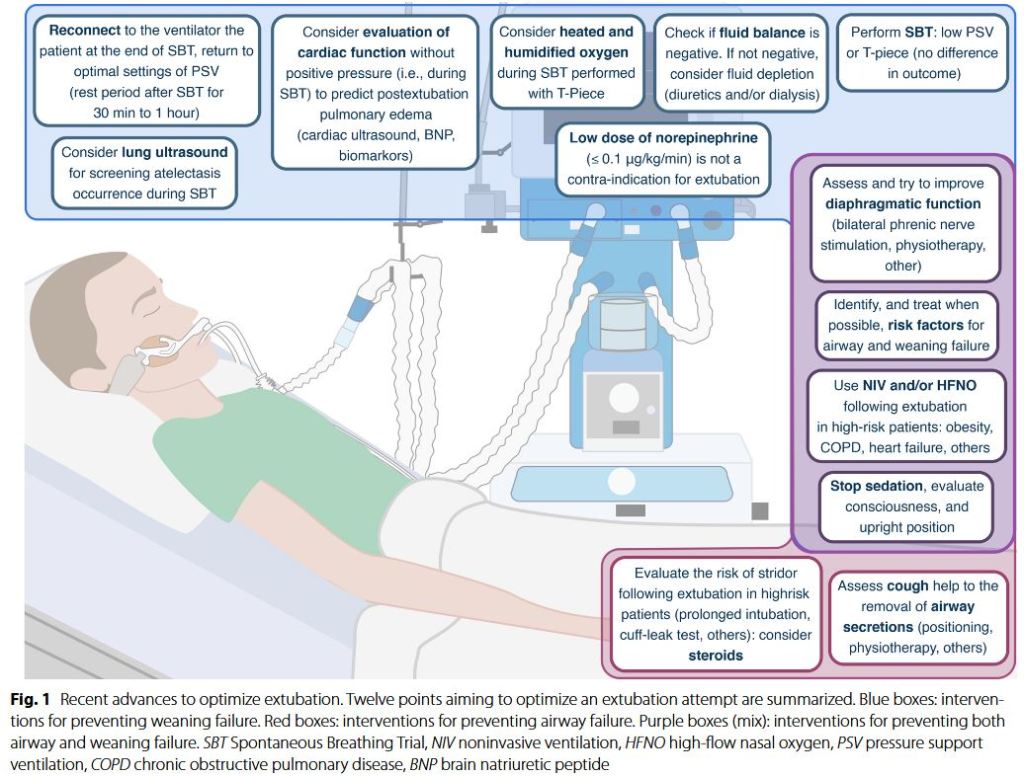
“Extubation failure, defined as the inability to sustain spontaneous breathing after removal of the artificial airway and need for reintubation within 24–72 h or up to 7 days, is associated with high morbidity and mortality, as well as long term disability. Many studies have attempted to identify risk factors for extubation failure in order to prevent it. Nevertheless, the incidence of extubation failure in intensive care units (ICUs) remains quite high in the literature, between 10% within 48 h and 15% within 7 days.”

Continue reading

Perioperative hemostasis for patients with hemophilia

“The successful surgical management of patients with hemophilia requires advanced preoperative planning. A formal treatment plan should be determined and distributed well in advance of any invasive procedure or surgery and is best done under the guidance of a hemophilia treat ment center (HTC).”

“Prior to surgery, the patient’s diagnosis should be confirmed with laboratory testing, rather than prior patient report. It is particularly important to differentiate severe von Wille
brand’s disease from hemophilia A. A preoperative history should include a review of baseline hemostatic needs that considers the frequency of breakthrough bleeding and the use of prophylactic and breakthrough hemostatic agents as well as surgical history, prior use of hemostatic support, and any bleeding complications.”

Continue reading

Timing of elective surgery and risk assessment after SARS-CoV-2 infection

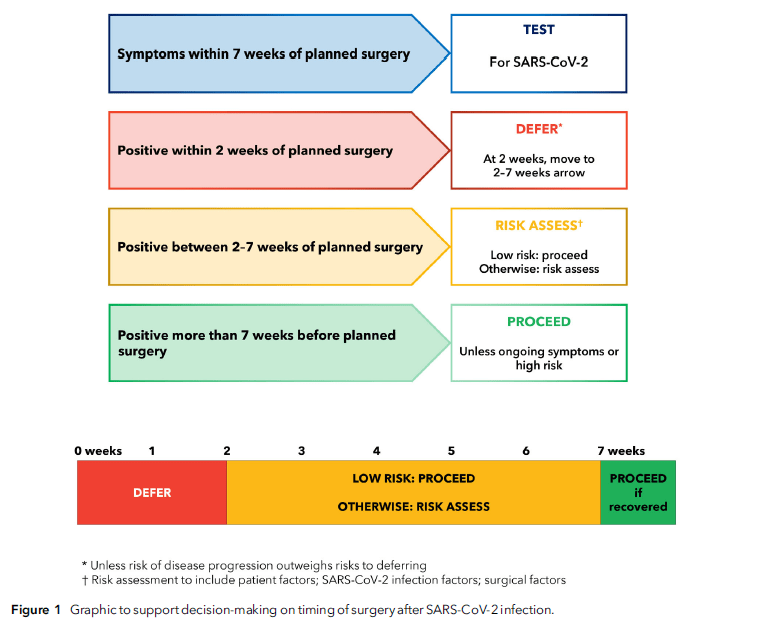
“Patients who develop symptoms of SARS-CoV-2 infection within 7 weeks of planned surgery, including on the day of surgery, should be screened for SARS-CoV-2. Elective surgery should not usually be undertaken within 2 weeks of diagnosis of SARS-CoV-2 infection. For patients who have recovered from SARS-CoV-2 infection and who are low risk or having low-risk surgery, most elective surgery can proceed 2 weeks following a SARS-CoV-2 positive test. For patients who are not low risk or having anything other than low-risk surgery between 2 and 7 weeks following infection, an individual risk assessment must be performed. This should consider: patient factors (age; comorbid and functional status); infection factors (severity; ongoing symptoms; vaccination); and surgical factors (clinical priority; risk of disease progression; grade of surgery).”

Continue reading

Perioperative considerations for patients with epilepsy

“Epilepsy is the most common serious neurological disorder, with a prevalence of 0.5–1% of the population. Anaesthetists are frequently faced with patients with epilepsy undergoing
emergency or elective surgery and patients suffering seizures and status epilepticus in the intensive care unit (ICU).”

Continue reading