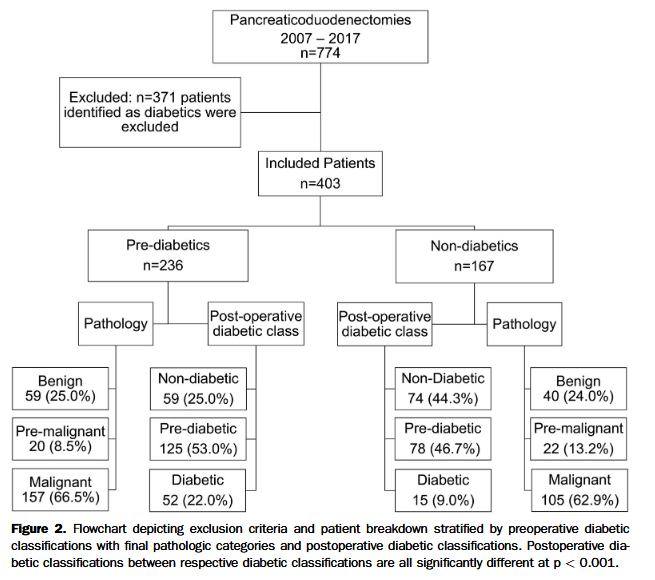
Development of Diabetes after Pancreaticoduodenectomy

“The association with new-onset impaired glucose tolerance (or pre-diabetes) and diabetes has been observed since the inception of and subsequent popularization of pancreaticoduodenectomy (PD) the gold-standard surgical treatment for resectable pancreatic head pathologies. Standardization of surgical techniques, advancements in peri-operative care, and improved understanding of inflicting pathologies have led to drastic reductions in mortality and morbidity across all indications. Despite these advancements, the relationship between diabetes development and parenchymal resection, pathology, and
comorbid states remains understudied.”

Continue reading

Multi-Institutional Analysis of Pancreaticoduodenectomy for Nonfamilial Periampullary Adenoma

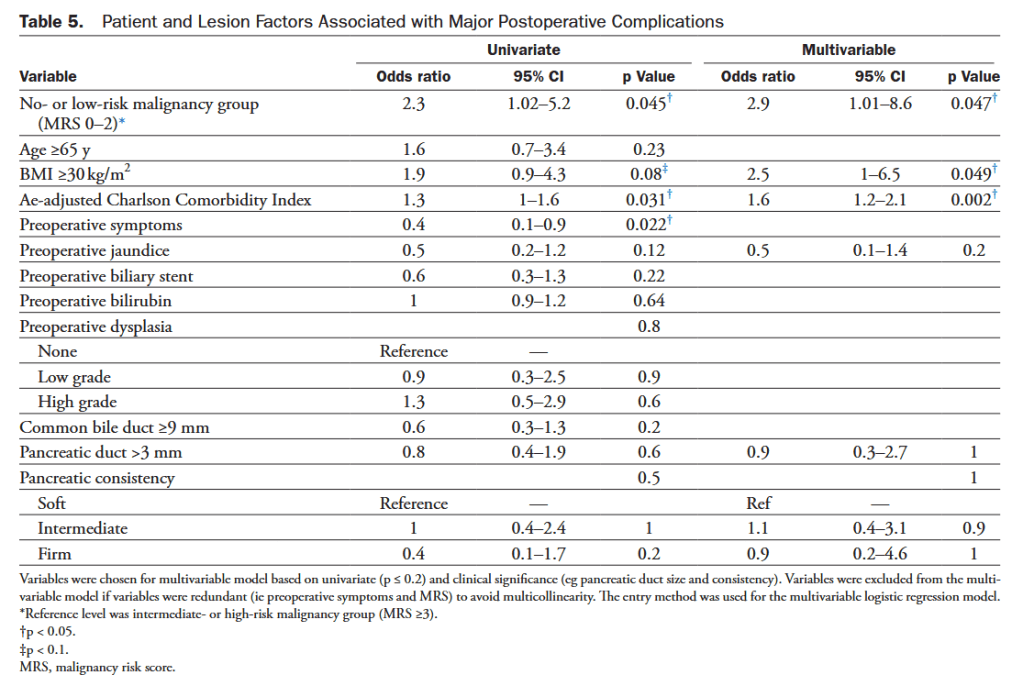
“Preoperative assessment of underlying malignancy in non-FAP-related PAs requiring PD may be difficult, as endoscopic biopsy carries a false-negative rate as high as 50%. Although PD aims at preempting malignant transformation through complete removal of DA, it comes with significant morbidity and mortality risks. This is particularly relevant in patients with benign or premalignant pathology due to soft pancreatic parenchymal texture and small pancreatic duct diameter.”

Continue reading

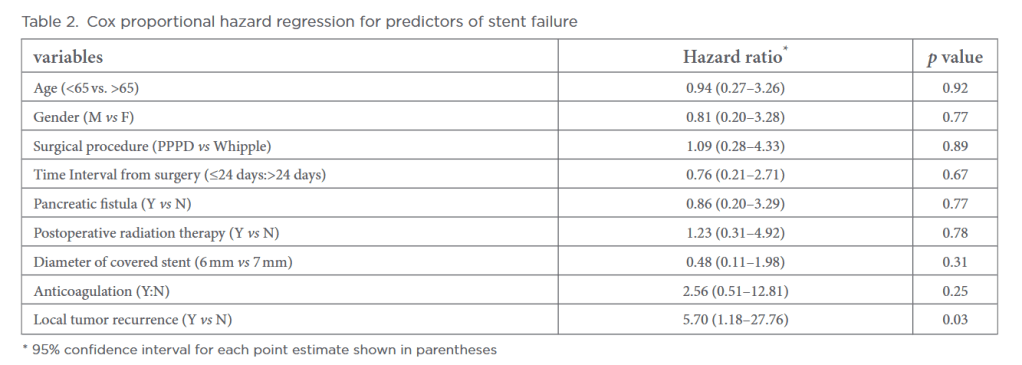
Covered stent placement for gastroduodenal artery stump hemorrhage after pancreaticoduodenectomy

“Post- pancreaticoduodenectomy (PD) hemorrhage is a rare but fatal complication that accounts for 10–40% of post-operative mortality.1,2 In such patients, successful surgical
treatment is compromised due to extensive inflammatory changes caused by recent dissections. Therefore, endovascular treatment is considered as the first line treatment
especially in cases of delayed hemorrhage (occurring 24 h after surgery) from the hepatic artery (HA). Transcatheter embolization and covered stent placement are the most
common endovascular techniques. However, transcatheter embolization typically involves sacrificing the major HA, which frequently causes severe hepatic ischemia or infarction.”

Continue reading

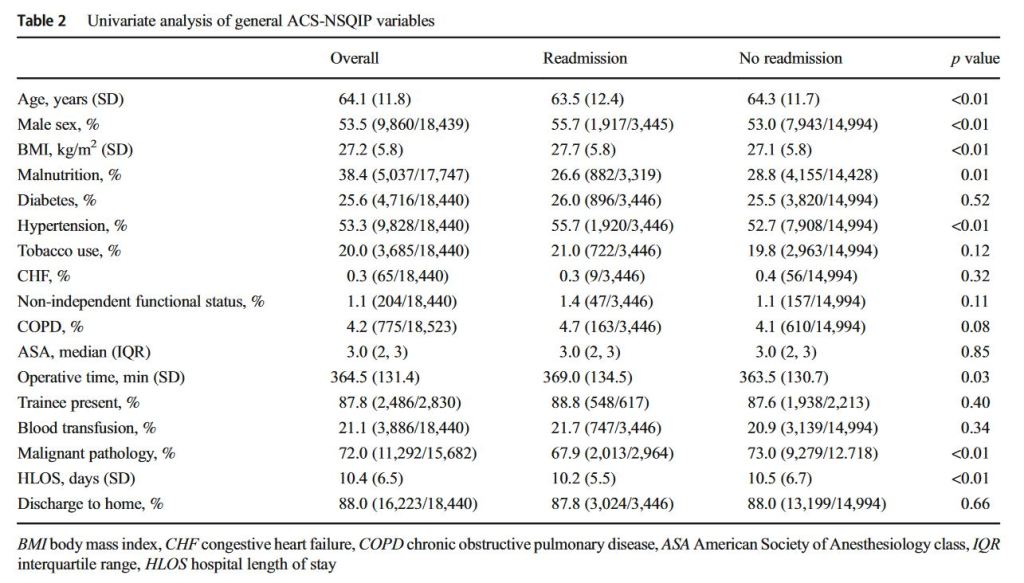
Predictors of Short-Term Readmission After Pancreaticoduodenectomy

“Readmissions are a common complication after pancreaticoduodenectomy and are increasingly being used as a performance metric affecting quality assessment, public reporting, and reimbursement. This study aims to identify general and pancreatectomy-specific factors contributing to 30-day readmission after pancreaticoduodenectomy, and determine the additive value of incorporating pancreatectomy-specific factors into a large national dataset.”
“Large registry analyses of pancreatectomy outcomes are markedly improved by the incorporation of granular procedure-specific data. These data emphasize the need for prevention and careful management of perioperative infectious complications, fluid management, thromboprophylaxis, and pancreatic fistulae.”

Continue reading

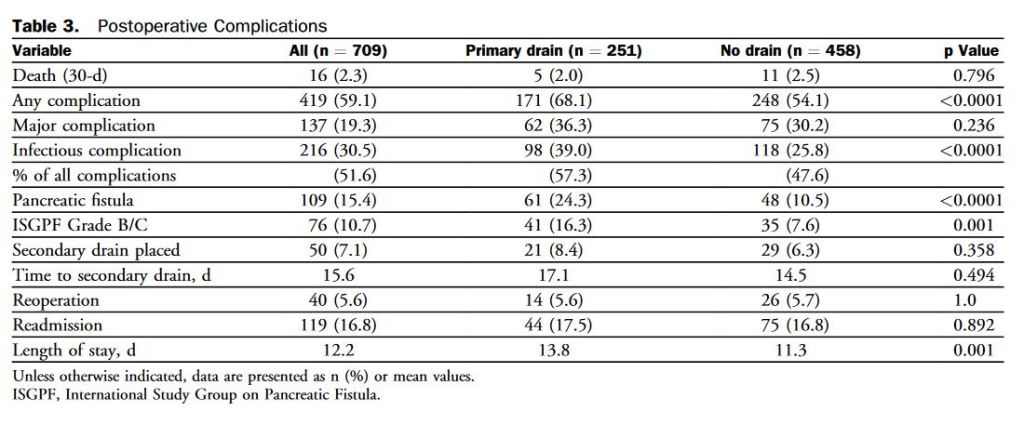
Is it time to abandon routine operative drain use?

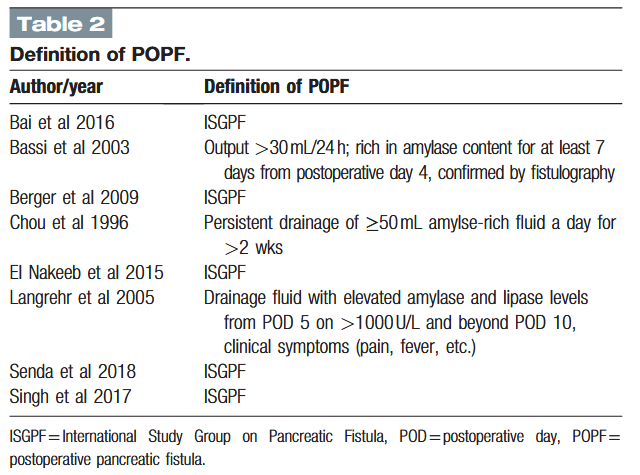
“Postoperative pancreatic fistula (POPF) is a potentially devastating complication after pancreatic resection, seen in 5% to 30% of patients. Depending on severity, POPF may be associated with infectious complications, reoperation, increased length of hospital stay, readmission, and even death. Historically, surgeons placed drains routinely for many abdominal procedures to control potential leaks from various anastomoses. However, this practice has been abandoned by many surgeons over the last 2 decades because no benefit to routine abdominal drainage has been observed from several randomized controlled trials for resections of the colon and rectum, gallbladder, and liver.”

Continue reading

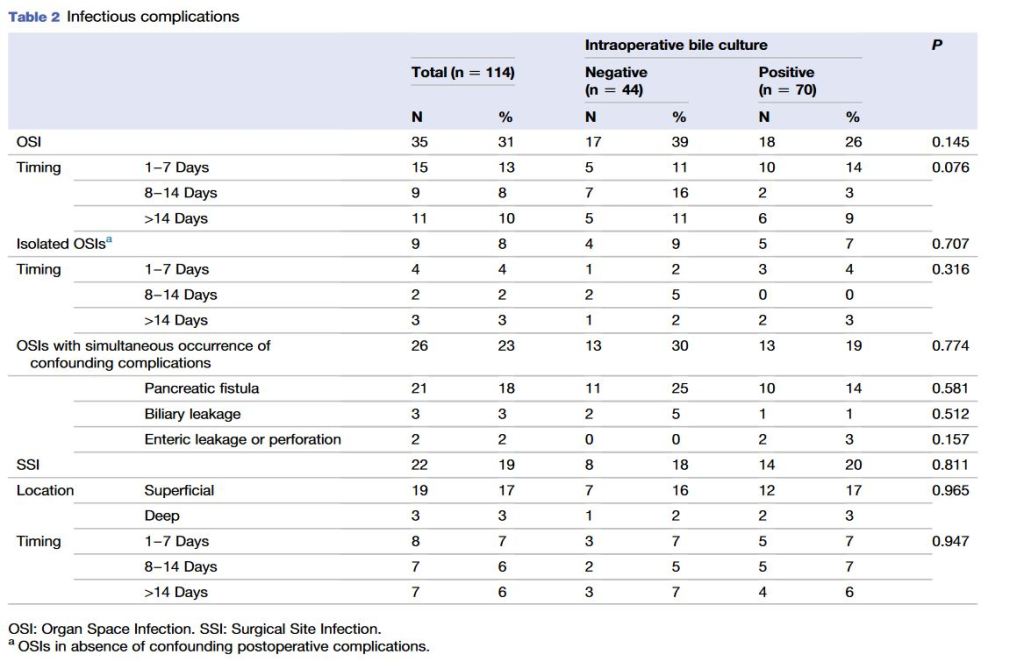
Association between positive intra-operative bile cultures during Whipple procedures and subsequent organ space infections

“The association between intraoperative bile cultures and infectious complications after
pancreatoduodenectomy remains unclear. Pancreatoduodenectomy remains a complex and technically demanding procedure with high rates of morbidity (25–52%) and mortality (1–3%). Infectious complications, such as surgical site infections (SSIs) and organ space infections (OSIs), are reported as the most common complications following pancreatoduodenectomy besides pancreatic fistula and delayed gastric emptying.”

Continue reading

Postoperative pancreatic fistula

This week’s discussion included risk scoring and management of postoperative pancreatic fistula.


Nahm CB, Connor SJ, Samra JS, Mittal A. Postoperative pancreatic fistula: a
review of traditional and emerging concepts. Clin Exp Gastroenterol. 2018 Mar
15;11:105-118.

Prediction: “Biochemical markers of POP after pancreatic resection are evident from the first postoperative day. These include serum amylase and lipase, and urinary trypsinogen-2. In an observational study of 61 patients undergoing pancreatic resection, the presence of POP on the first postoperative day as determined by these markers was found to be a strong predictor of the development of POPF (OR 17.81, 95% CI 2.17–145.9) [128]

Continue reading