
“Pancreatoduodenectomy (PD) is the gold standard surgical procedure performed for both benign and malignant diseases of the pancreas and periampullary region. Since the introduction of PD by Whipple in 1941, the treatment of the pancreatic stump was felt as
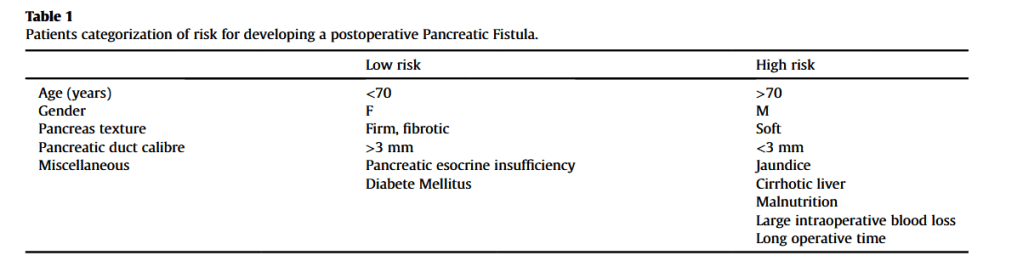
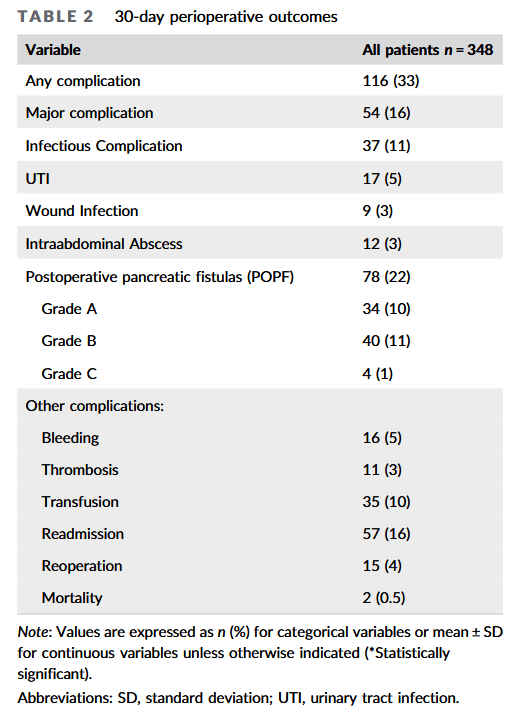
primary issue due to the frequency of the complications. Advances in medical and surgical care have made the mortality rate after PD declined dramatically (0e5%), even in centres with experienced surgeons. However, the morbidity rate remains quite high, approaching the 50%. The most common complications after PD are pancreatic fistula, late gastric empty, haemorrhage, hepatic-jejunostomy leakage, wound infection and intraabdominal abscess, which affect mortality rate, hospitalization and costs. At present, pancreatic fistula (PF) is the most significant complication, with a rate ranges from 5% to 40% even in tertiary centers. About the 40% of the patient deaths are the results of septic and haemorrhagic complication following PF. Although, attempting to reduce complications, many refinements of the cur-
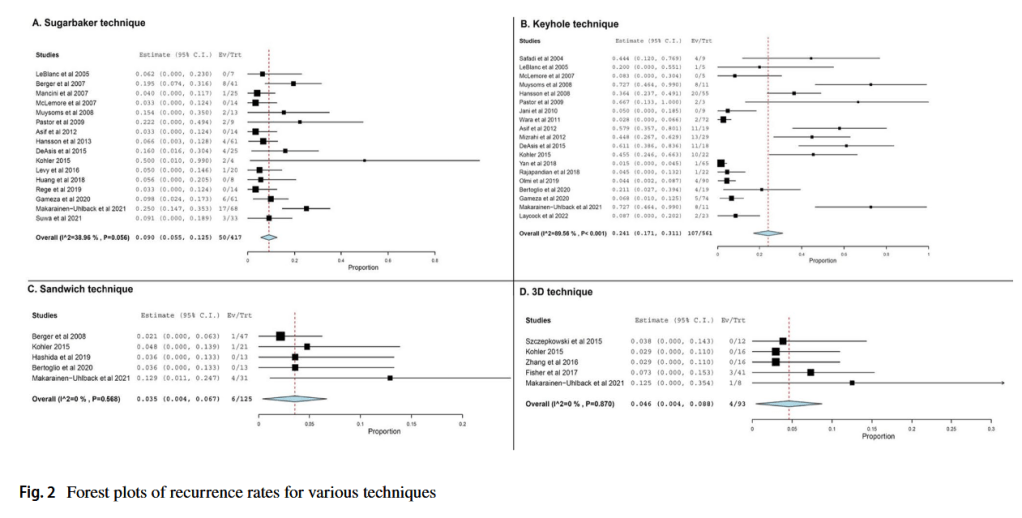
rent surgical techniques, pancreatico-jejunostomy, pancreaticogastrostomy and duct occlusion, have been proposed. Nevertheless, the best method to manage the pancreatic stump is still debated.”
 Surgical Focus