Advantages of routine intraoperative cholangiography in a teaching hospital

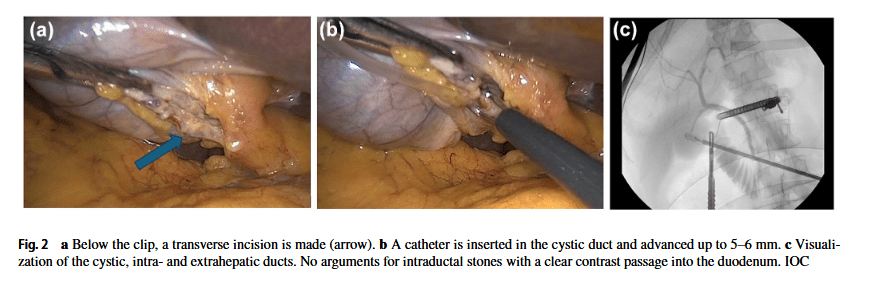
“The role of routine IOC during cholecystectomy has been controversial. Opponents to routine IOC assert that this procedure increases operating times and exposes caregivers and patients to radiation. In addition, there is the possibility of detection of indolent CBD stones with consequently unnecessary removal. On the other hand, advocates in favor
of routine IOC state that intraoperative visualization of the bile duct anatomy may decrease either the rate of complications such as CBD injury, or hospital readmissions for subsequent removal of retained CBD stones. Despite lacking strong evidence for not performing IOC vs. routine IOC vs. selective IOC, fitting in one of these three groups can depend on training, technical experience, and surgical habit. If a surgeon never performs IOC in their daily practice, they are not eager to change their habits, even though literature may suggest otherwise.”
Continue reading

Near‑infrared fluorescence cholangiography assisted laparoscopiccholecystectomy

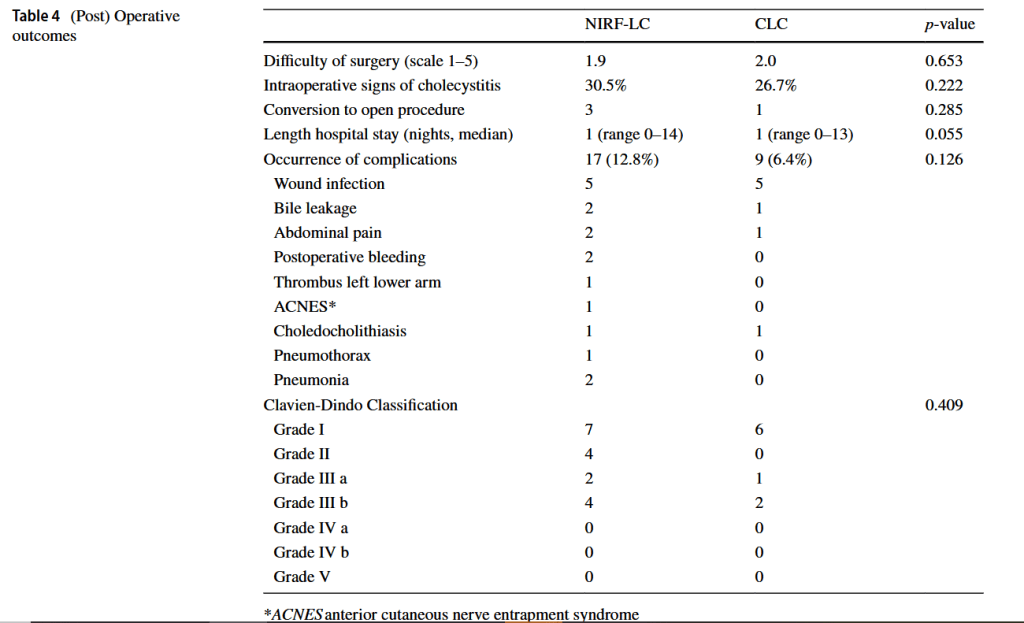
“The most feared complication during laparoscopic cholecystectomy is bile duct injury. Bile duct injury as a result of laparoscopic cholecystectomy is rare with an incidence of 0.3–0.7% but often results in severe morbidity and even mortality, lower quality of life and extra costs.
Misidentification of extra-hepatic bile duct anatomy during laparoscopic cholecystectomy is the main cause of bile duct injury. Examples of such misidentification are mistaking the common bile duct for the cystic duct and aberrant hepatic ducts for the cystic duct or cystic artery. In order to reduce the risk of bile duct injury, techniques to enhance proper identification of the anatomy are needed.”

Continue reading

Intraoperative cholangiography during laparoscopiccholecystectomy:

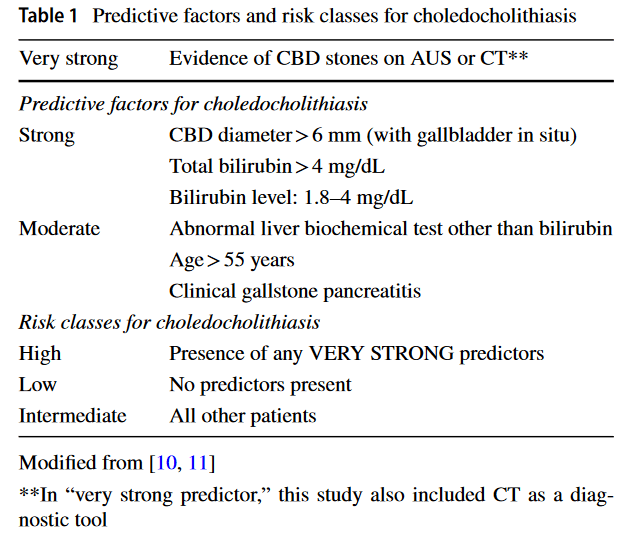
“Based on the study results, the 2016 WSES risk classes for choledocholithiasis could be an effective approach for predicting the risk of choledocholithiasis. Considering its advantages for detecting CBD stones and biliary injuries, the routine use of IOC is still suggested.” (Lai)

(Lai)
Continue reading

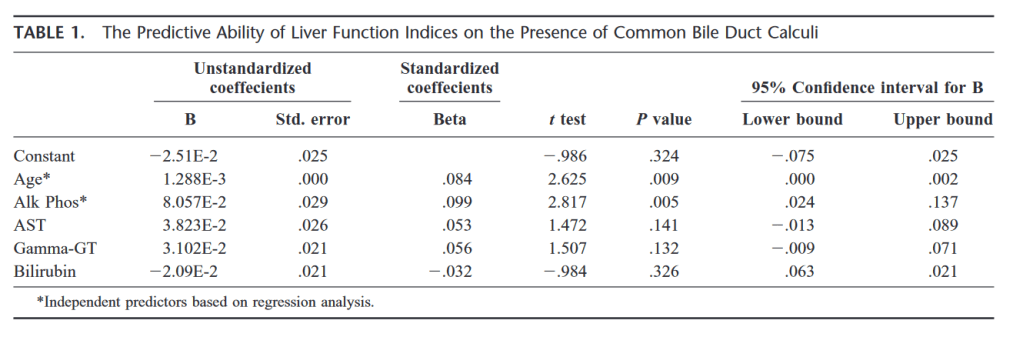
Incidence of problematic common bile duct calculi in patients undergoing laparoscopic cholecystectomy.

“Choledocholithiasis occurs in 3.4% of patients undergoing laparoscopic cholecystectomy but more than one third of these pass the calculi spontaneously within 6 weeks of operation and may be spared endoscopic retrograde cholangiopancreatography.” (Collins)

(Collins)
Continue reading

What is the utility of routine intraoperative cholangiography during laparoscopic cholecystectomy?

SAGES still recommends that practicing general surgeons learn how to do IOC (though once a surgeon is past their learning curve, it is not necessarily routinely recommended that it be done ‘routinely’).


Hope WW, et al. SAGES clinical spotlight review: intraoperative cholangiography. Surg Endosc. 2017 May;31(5): 2007-2016. Full-text for Emory users.

“The following clinical spotlight review regarding the intraoperative cholangiogram is intended for physicians who manage and treat gallbladder/biliary pathology and perform laparoscopic cholecystectomy. It is meant to critically review the technique of intraoperative cholangiography, alternatives for intraoperative biliary imaging, and the available evidence supporting their safety and efficacy.”

Continue reading