“This meta-analysis included seven studies with 400,822 patients. Our results demonstrated that ketorolac administration after surgery increases the risk of anastomotic leak [OR = 1.41, 95% CI: 0.81–2.49, Z = 1.21, P = 0.23].”
(Chen)
“Anastomotic leak is a serious complication that occurs after colorectal surgery, which can lead to increased morbidity and mortality. Non-selective NSAIDs (such as ketorolac) may affect the healing of the intestine by inhibiting the action of cyclooxygenase. NSAIDs have been shown to weaken granulocyte function, which is an essential part of the acute phase of wound healing. NSAIDs may also inhibit epithelial cell migration and mucosal recovery, which are important in the pathophysiology of intestinal ulcer healing. These findings suggest a potential biological mechanism that may explain the association identified in this study.”
A generally accepted explanation for the etiology of anorectal abscess and fistula-in-ano is that the abscess results from obstruction of an anal gland and the fistula is due to chronic infection and epithelialization of the abscess drainage tract. Anorectal abscesses are defined by the anatomic space in which they develop and are more common in the perianal and ischiorectal spaces and less common in the intersphincteric, supralevator,and submucosal locations.
“The role of fecal diversion using a loop ileostomy in patients undergoing rectal resection and anastomosis is controversial. There has been conflicting evidence on the perceived benefit vs. the morbidity of a defunctioning stoma. This is a review of the relevant surgical literature evaluating the risks, benefits, and costs of constructing a diverting ileostomy in current colorectal surgical practice”
“Fecal diversion is an important tool in the surgical armamentarium. There is much controversy regarding which clinical scenarios warrant diversion. Some of the most common applications for the use of a diverting stoma include construction of diverting ileostomy or colostomy, ostomy for low colorectal/coloanal anastomosis, inflammatory bowel disease, diverticular disease, and obstructing colorectal cancer with the conclusion that diverting loop ileostomy is preferred to loop colostomy” (Plasencia)
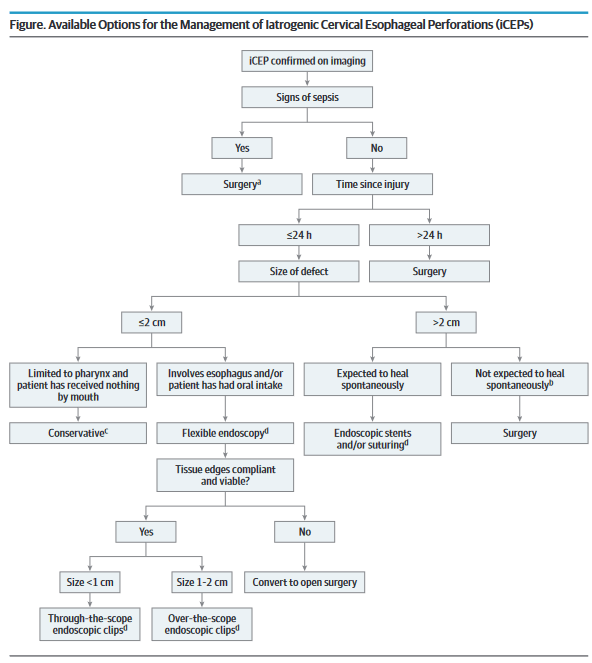
“Esophageal perforations are difficult to diagnose and have a high mortality rate. The existing studies on esophageal perforations address treatment by anatomic location and by cause, but few focus specifically on iCEPs. The management of iCEPs is controversial. There is a need for additional prospective studies comparing treatment options for iCEPs to establish a gold standard treatment and to assess for the expanding role of endoscopic interventions.” (Chen)
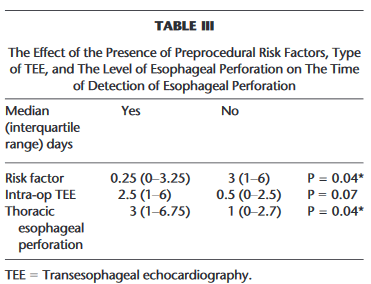
“Transesophageal echocardiography (TEE) is a commonly performed procedure, either in an intra-operative setting of a cardiac surgical procedure or a nonoperative setting, such as to evaluate for an intracardiac thrombi.”